#1
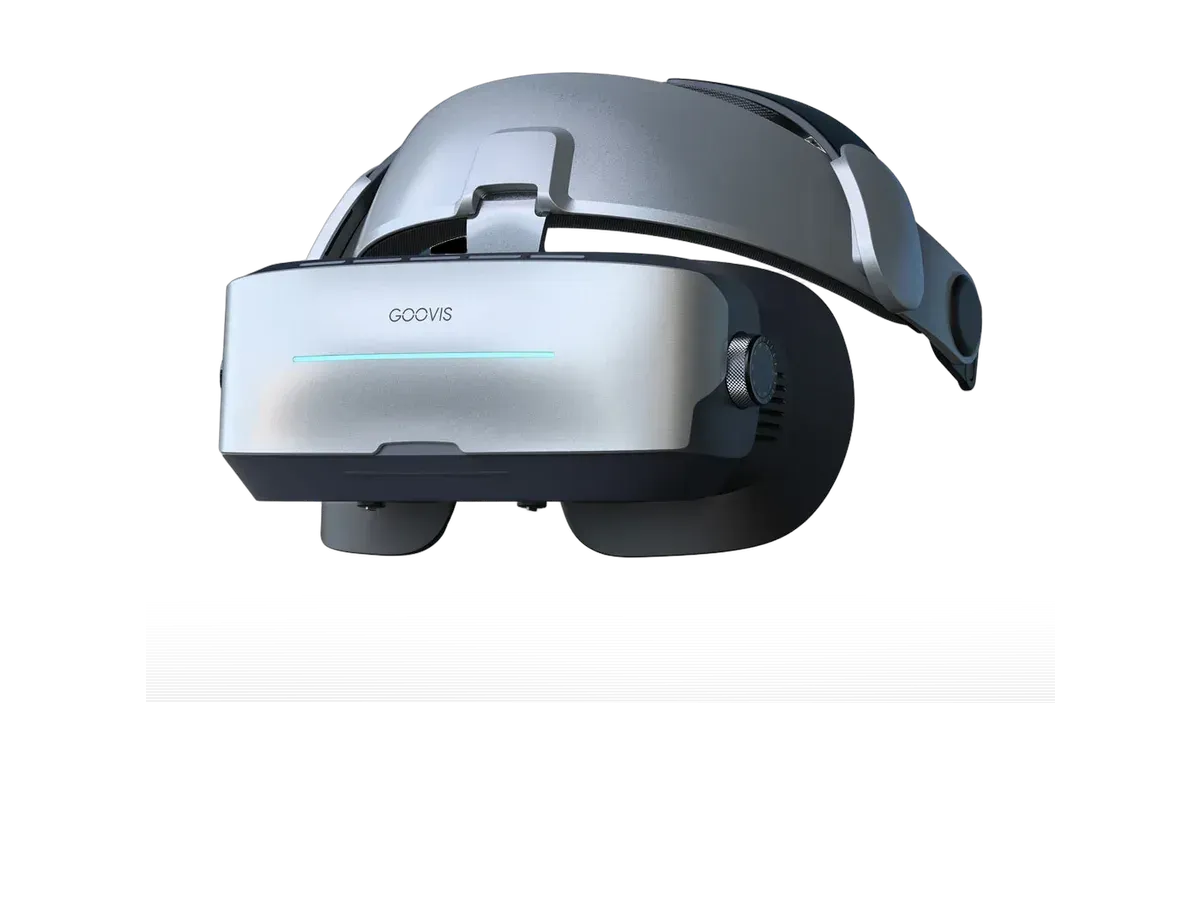
Goovis
Why it ranks here:
- 65° recorded field of view (+65)
- 65° wide-view class (+20)
- crosses the 50° line (+5)
Best of
Ranked degree by degree from recorded fields of view, widest first.
Product data last updated
Field of view decides how much of your vision the picture actually fills -- the difference between watching a screen and sitting inside one -- and it is the spec makers publish most proudly and measure least consistently. Every pair here is ranked by its recorded field of view, widest first, and nothing else moves the order. The figures are the makers' own published numbers, quoted as diagonal degrees per the vendor convention for glasses, not independent lab measurements, so treat close calls as ties rather than verdicts. Where a maker publishes no figure at all, the product is left off this page instead of being guessed at.
Our top pick for the widest field of view is the GOOVIS G3 Max 3D Head Mounted Display at $1,199.
Our top pick
GOOVIS G3 Max 3D Head Mounted Display · $1,199
Check price at Amazon See full ranking ↓Degrees are the honest unit of immersion. Every “massive virtual screen” claim in this category is really a field-of-view number wearing marketing clothes: the optics fill a fixed slice of your vision, and the advertised screen size is just that slice restated at an assumed distance. Rank by degrees and the theater analogies sort themselves out — a wider field is a bigger picture, full stop, no matter whose brochure you read.
It helps to know what the number is and is not. The figures above are each maker’s published field of view, quoted by the vendor convention as the diagonal of the visible image, the same way televisions are measured. Nobody independently measures every model under identical conditions, and designs differ in how clean the edge of that measured field stays — some optics hold sharpness to the border, others soften toward the rim — so a couple of degrees between two entries is a coin flip, while ten degrees is a different product class. If the optics jargon behind those differences is new to you, our birdbath vs waveguide explainer walks through why the see-through designs land where they do, and the specs glossary defines every term this page leans on.
Width is also only half of picture quality. Stretching the same panel across more degrees spreads its pixels thinner, so the widest view and the sharpest text are frequently different purchases — the sharpness side of that trade lives on our productivity ranking, where pixels per degree decides readability for working sessions. A wide field with modest resolution flatters films and games; a narrower, denser field flatters spreadsheets and code. Decide which side of that trade you are on before letting the top of this table pick your glasses.
Field of view rewards committed viewing, not glanceability. If what you actually want is a discreet line of text in the corner of your eye — directions, notes, translations — the right family is the HUD glasses ranking, where a deliberately narrow display is a feature. And once a couple of entries here catch your eye, compare any two models puts their recorded fields of view side by side with every other spec that matters.
Every eligible product is scored on the recorded specs below. Missing data scores zero — we never guess a value. Points shown next to each pick add up to its total score.
Goovis
Why it ranks here:
RayNeo
Why it ranks here:
VITURE
Why it ranks here:
XREAL
Why it ranks here:
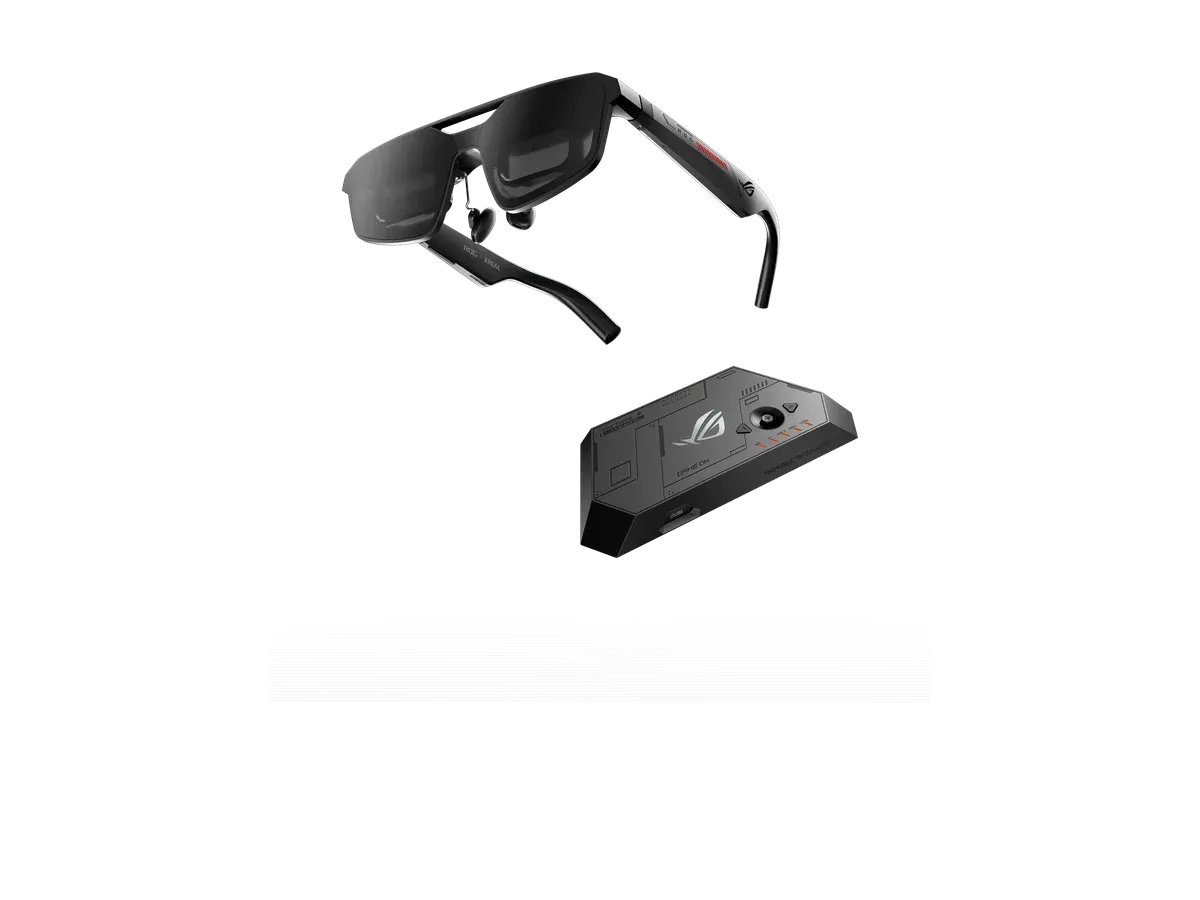
ASUS
Why it ranks here:
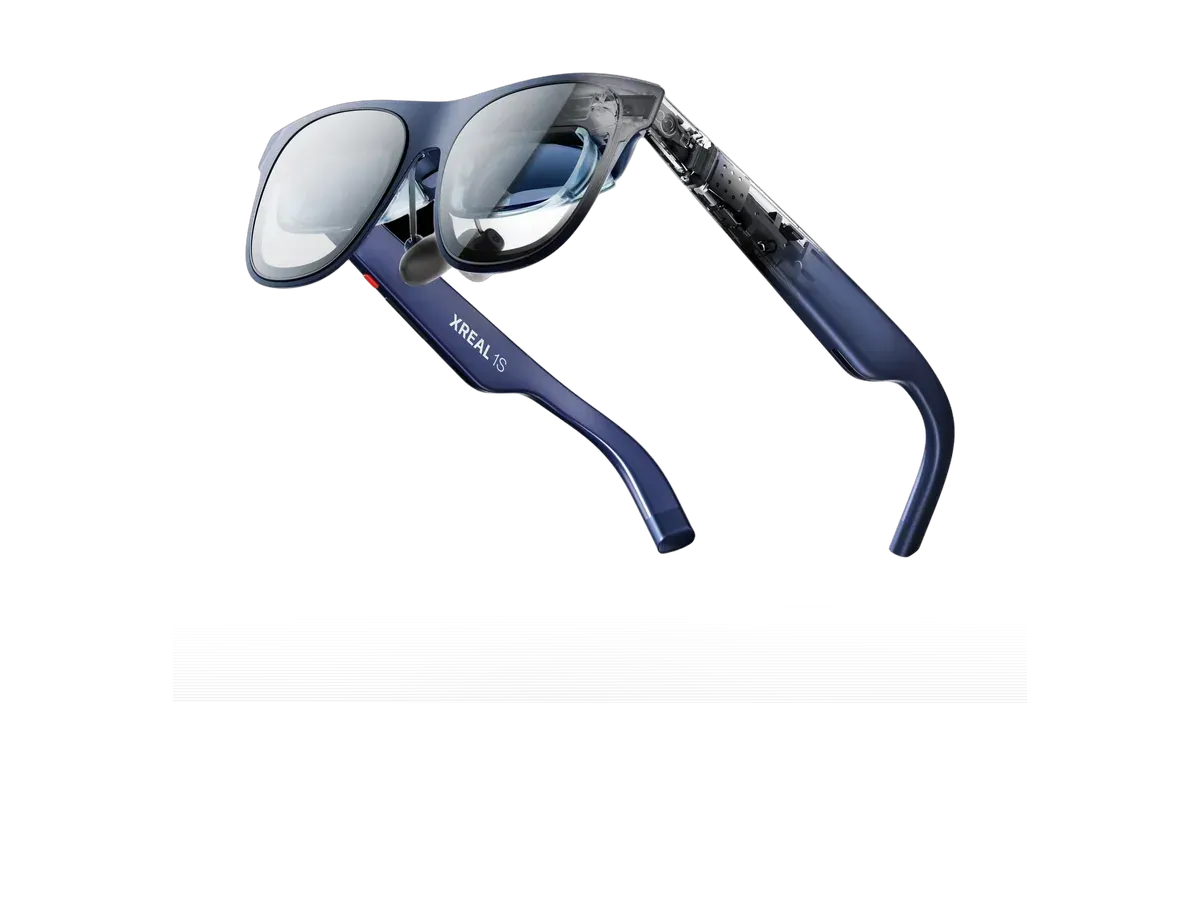
XREAL
Why it ranks here:
Buy the GOOVIS G3 Max 3D Head Mounted Display if…
Buy the GOOVIS G3 Max 3D Head Mounted Display if you want the wider 65° field of view (vs 59°), you want adjustable lens dimming, you play on PlayStation, and you play on Xbox.
Buy the RayNeo GT Max if…
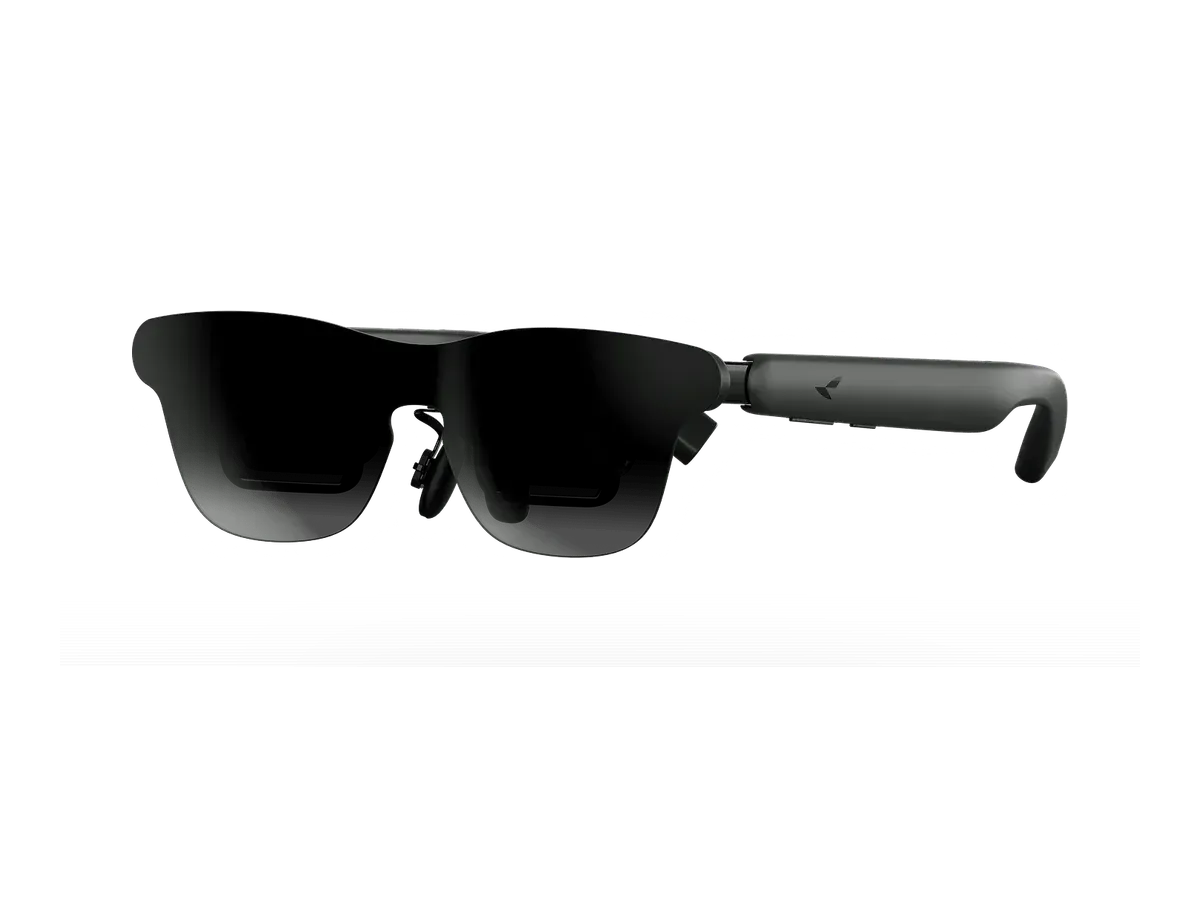
Buy the RayNeo GT Max if you want to spend $800 less ($399 vs $1199), you want the lighter 76g fit (vs 300g), you want HDR support, and you want spatial audio.
It depends on what the glasses are for. Big-screen display glasses -- the kind you plug into a phone, laptop, or console for movies and games -- cluster in the mid-forties to high-fifties of diagonal degrees, and every degree noticeably grows the floating screen. Heads-up frames built for glanceable text sit far narrower by design: their display is meant to occupy a corner of your vision, not fill it, so a narrow figure there is a choice rather than a flaw. Match the number to the job before comparing models against each other.
Because the inches are derived and the degrees are the measurement. A maker's screen-size claim always assumes a viewing distance -- the same optics can be advertised as a large screen far away or a small one nearby -- while field of view states plainly how much of your vision the image occupies. Two pairs with the same field of view fill the same slice of your view no matter which virtual screen size their marketing quotes, which is why this page orders by degrees and leaves the inch claims to each product's own record.
Only loosely. The figures on this page are maker-published, typically quoted as the diagonal of the visible image, and no independent lab measures every model under the same conditions. Optics also differ in how usable the edges of that measured field really are -- sharpness and color can fall off toward the rim of some designs while others stay clean to the border. Treat differences of a few degrees as effectively a tie and read each product's full record before deciding on a close call.
Physics and the see-through requirement. A sealed headset can wrap large lenses close to your eyes with a screen behind them, so it reaches very wide fields easily. Glasses have to keep the real world visible through the same optics that deliver the image, inside a frame light enough to wear on your nose, and every extra degree of width costs optical bulk, weight, and brightness. The widest entries on this page represent how far that trade can currently be pushed while still looking like glasses.
Provenance: use case derived from recorded fields of view across the catalog, ranked widest first. Rankings are computed from recorded product specs only.