Skip to content

Best of

Best AR Glasses for Productivity & Multi-Monitor Work

Virtual monitors you can actually read: ranked for clarity and comfort.

Product data last updated

Text clarity is the whole game for work: pixel density decides whether a virtual monitor is readable for hours, and brightness decides whether it survives a sunlit office. We rank every available pair on those recorded specs, plus Mac and PC compatibility for the machines you already use.

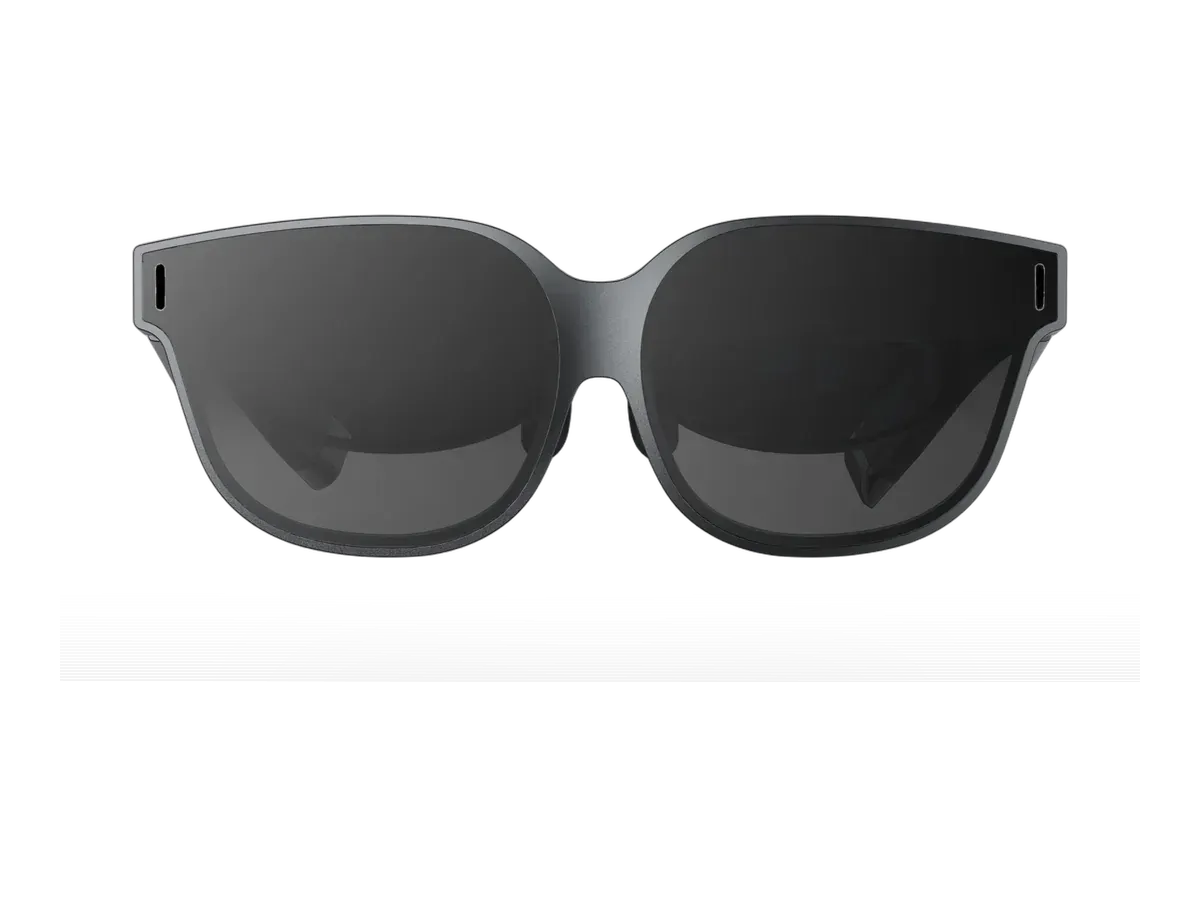
Our top pick for Productivity & Multi-Monitor Work is the XREAL Air 2 Pro at $249.

XREAL Air 2 Pro

Our top pick

XREAL Air 2 Pro · $249

Check price at Amazon See full ranking ↓
# Pick Price Best for
1 XREAL Air 2 Pro $249 Top pick overall
2 INAIR 2 Pro $470 —
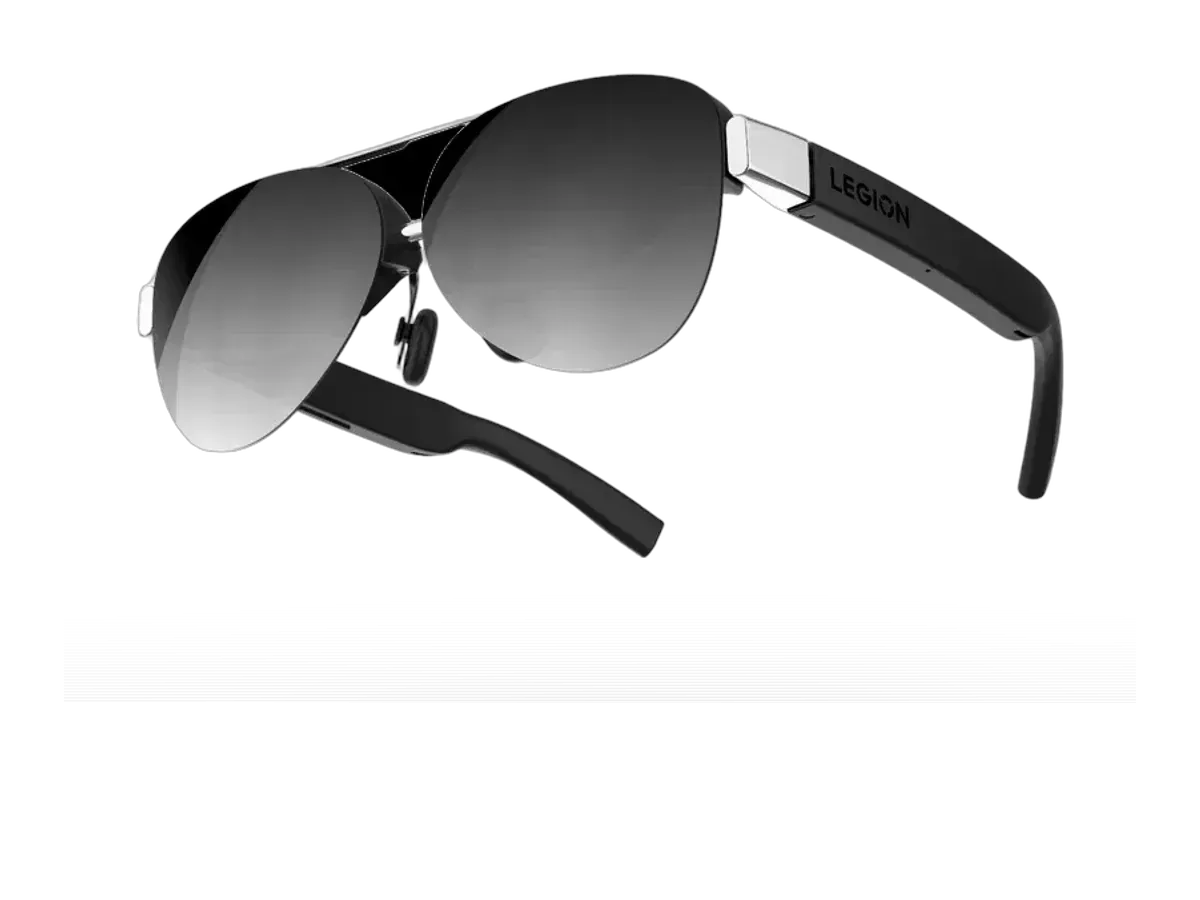
3 Lenovo Legion Glasses 2 $250 Lightest frame here
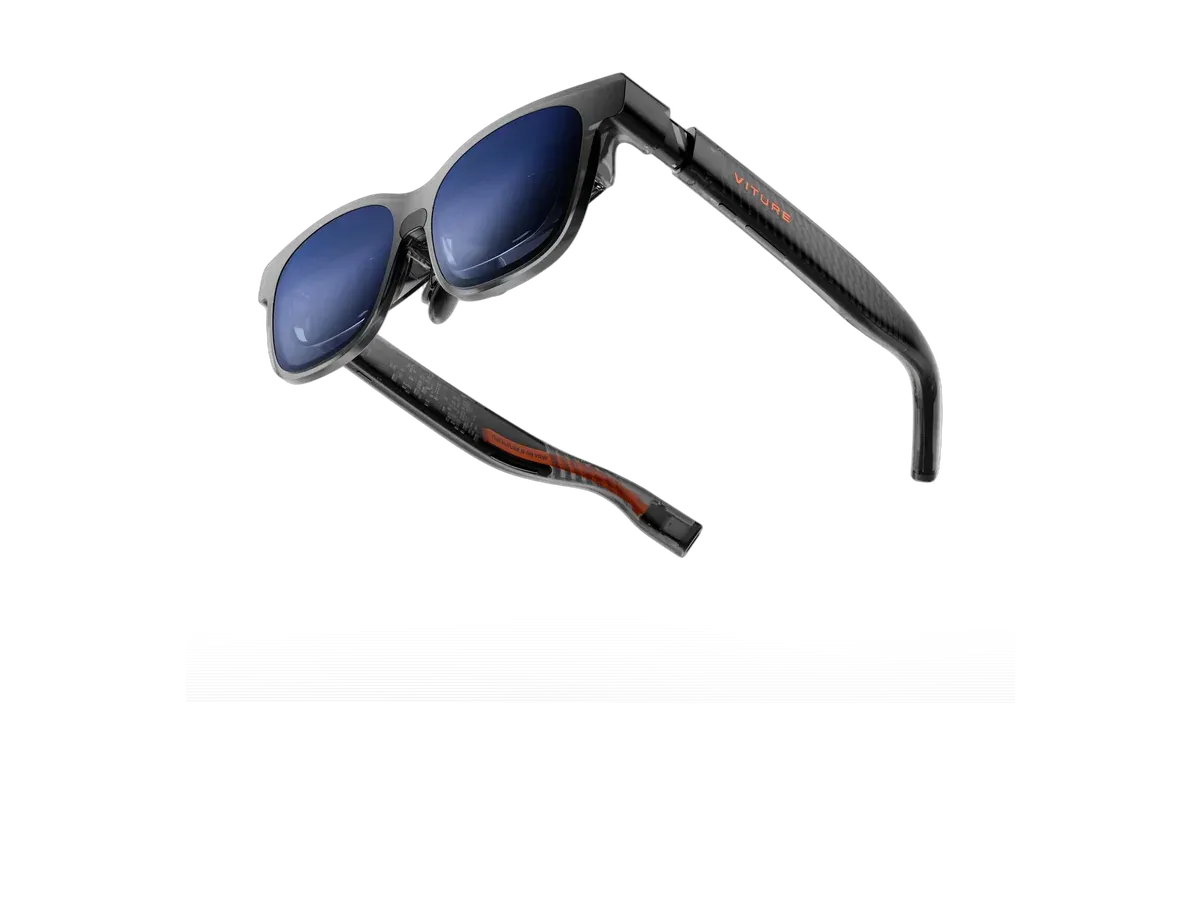
4 VITURE Luma XR $399 Brightest display here
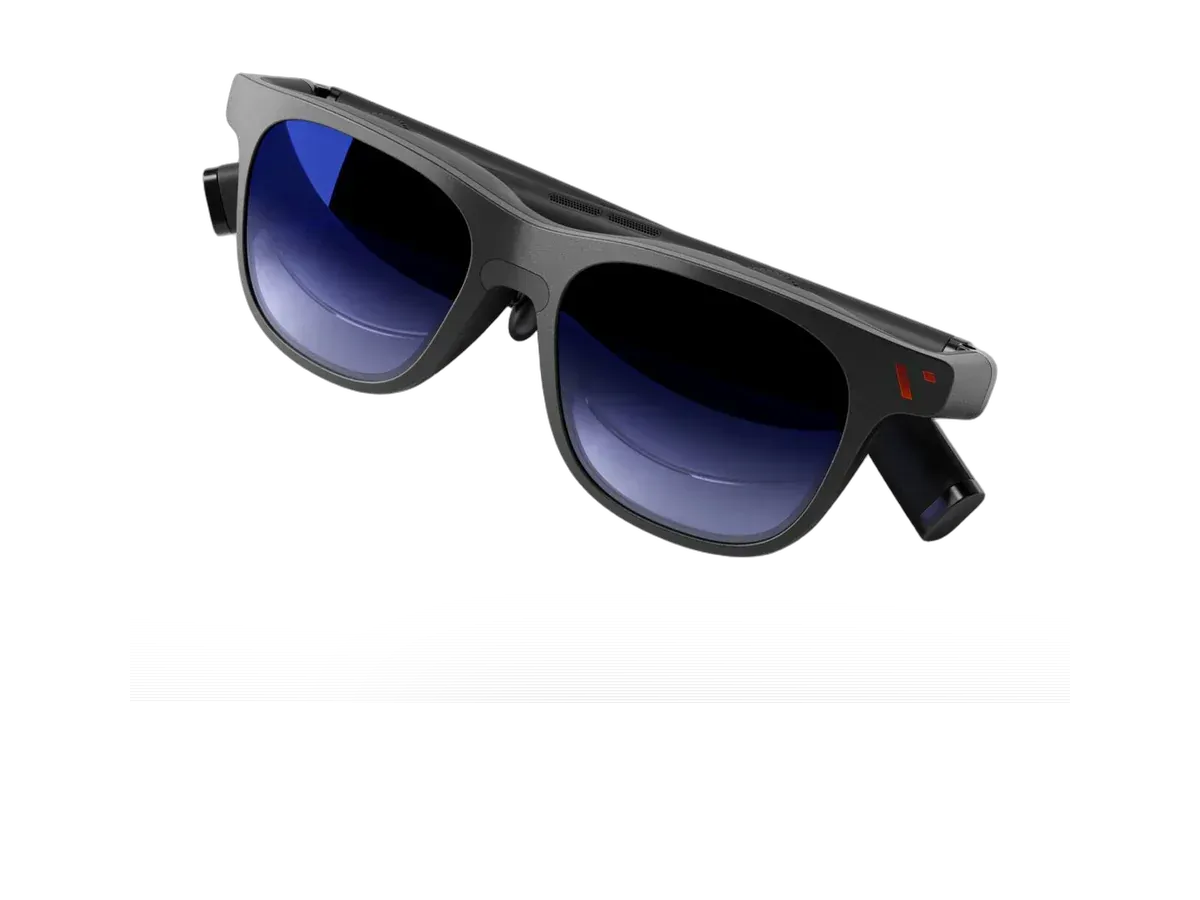
5 VITURE Pro XR $459 —
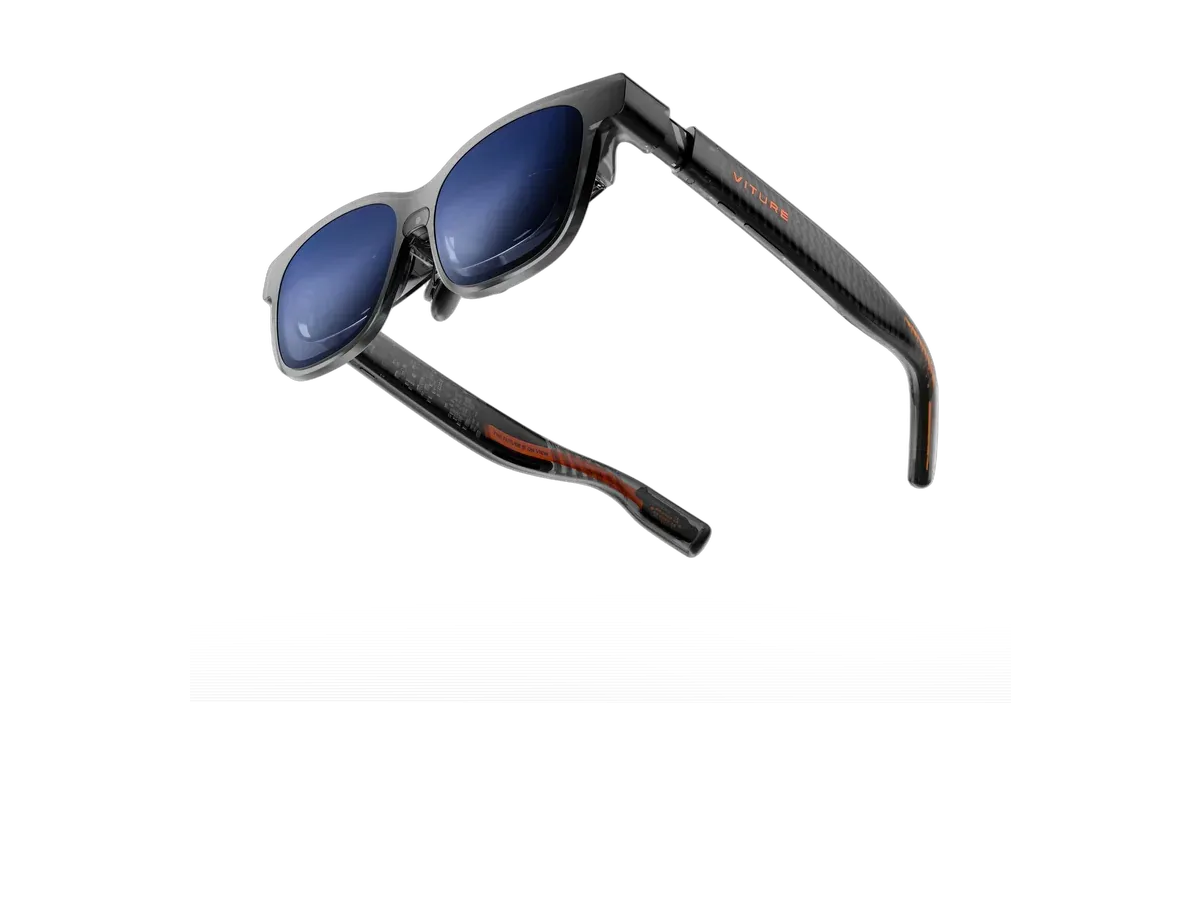
6 VITURE Luma Pro $499 Widest view here

Ranked by Brightness · Pixel density · Productivity use case · Field of view · Weight · Lens dimming · Mac & PC support · Refresh rate. Prices verified .

Every pick is scored on the same criteria — a spec the maker doesn’t publish scores zero, and the Best for column marks where a pick leads this list.

For knowledge work, display glasses work as a wearable computer monitor. Plug them into a laptop or phone through a USB-C port that carries video, and you get a large private screen for code, spreadsheets, writing, and video calls. This setup is useful on flights, in coworking spaces, and in open-plan offices where screen privacy matters. For connection requirements, screen anchoring, and multi-screen software, see virtual monitor glasses, explained.

Can glasses work as a computer monitor?

Yes. These are glasses with a computer display that appears in front of your eyes, not a computer built into the frame. Your laptop still runs everything; the glasses simply become its private external screen. Used this way, the glasses work best for focused sessions when a normal desk display is unavailable or too public.

Text readability is what separates a productivity pair from a movie pair. Sharpness per degree (pixels per degree) predicts how long you can read before eye strain, head-tracking keeps the virtual screen anchored while you shift position, and brightness determines whether white documents stay legible near a window. A different style of work assistance — glanceable notifications, calendar, and navigation in an all-day frame — comes from lightweight HUD glasses rather than display glasses, and both types appear in the ranking below according to their recorded specs.

Two practical notes before you choose: confirm your laptop or phone supports USB-C DisplayPort Alt Mode (tethered glasses draw display and power from the host), and plan for focused sessions with breaks rather than a full 8-hour stretch — position the virtual screen slightly below eye level, matching natural reading posture. Buying for field service, remote assistance, or managed fleets instead? That is a different tool: see the enterprise ranking, or compare any two models on the specs that matter to you.

The work use cases with their own dedicated pages are worth knowing before you choose from the ranking: working on a plane covers the travel-office setup where these glasses earn their keep fastest, AR glasses for coding answers the text-sharpness question programmers actually ask, and presenters reading from a script want the separate teleprompter glasses ranking, which serves a different hardware class entirely. iPhone-first workers have the iPhone compatibility hub with per-brand connection notes.

How we rank: 8 scored criteria

Every eligible product is scored on the recorded specs below. Missing data scores zero — we never guess a value. Points shown next to each pick add up to its total score.

  • Brightnessup to 20 pts
  • Pixel densityup to 20 pts
  • Productivity use caseup to 15 pts
  • Field of viewup to 10 pts
  • Weightup to 10 pts
  • Lens dimmingup to 10 pts
  • Mac & PC supportup to 10 pts
  • Refresh rateup to 5 pts

Text sharpness, pick by pick

Readable text is the whole reason to work in glasses, and it comes down to pixels per degree (PPD) — how much detail lands in each degree of your view. Here is every ranked pick’s recorded PPD, the virtual screen size it projects, its brightness, and the work machines it plugs into. Where a maker publishes no PPD figure, the cell says “not recorded” rather than guessing. Planning a multi-monitor setup? Spreading work across several virtual screens is done by host software, not the glasses alone — our virtual monitor glasses guide walks through what each setup needs.

ProductSharpness (PPD)Virtual screenBrightnessWorks with
XREAL Air 2 Pro49330-inch500 nits
MacPC
INAIR 2 Pro49135-inch500 nits
MacPCiPad
Lenovo Legion Glasses 244126-inch800 nits
MacPC
VITURE Luma XRnot recorded146-inch1000 nits
MacPC
VITURE Pro XRnot recorded135-inch1000 nits
MacPC
VITURE Luma Pronot recorded152-inch1000 nits
MacPCiPad

XREAL Air 2 Pro or INAIR 2 Pro?

Buy the XREAL Air 2 Pro if…

Buy the XREAL Air 2 Pro if you want to spend $220.99 less ($249 vs $469.99), you want the lighter 75g fit (vs 80g), you want spatial audio, and you play on Nintendo Switch.

Also considered

Show all 27 considered models

Smart glasses FAQ

Are AR glasses good for working?

For focused, screen-based work they can be excellent. Display AR glasses give you a large private virtual monitor you can carry anywhere, which is why this hub rewards pixel density and brightness — the specs that decide whether text stays readable for hours. They suit writing, coding, and travel work better than tasks that need constant real-world eye contact.

Can AR glasses replace a monitor?

For most people they supplement a monitor rather than fully replace it. A good pair projects one or more large virtual screens for focus work and travel, but you give up the shared-desk visibility and all-day comfort of a physical display. Treat them as a portable second screen first; whether they become your only screen depends on your eyes and workflow.

Do AR glasses work as a virtual monitor with a Mac or PC?

Every pick here records its host-device compatibility, and the ranking credits Mac and PC support directly. Most display glasses present a virtual monitor over a single USB-C DisplayPort connection; confirm your machine's port and the pick's recorded compatibility before buying, since some laptops need an adapter.

Keep researching

Provenance: use case derived from our remote-professional buyer profile (multi-screen work, long-session comfort). Rankings are computed from recorded product specs only.