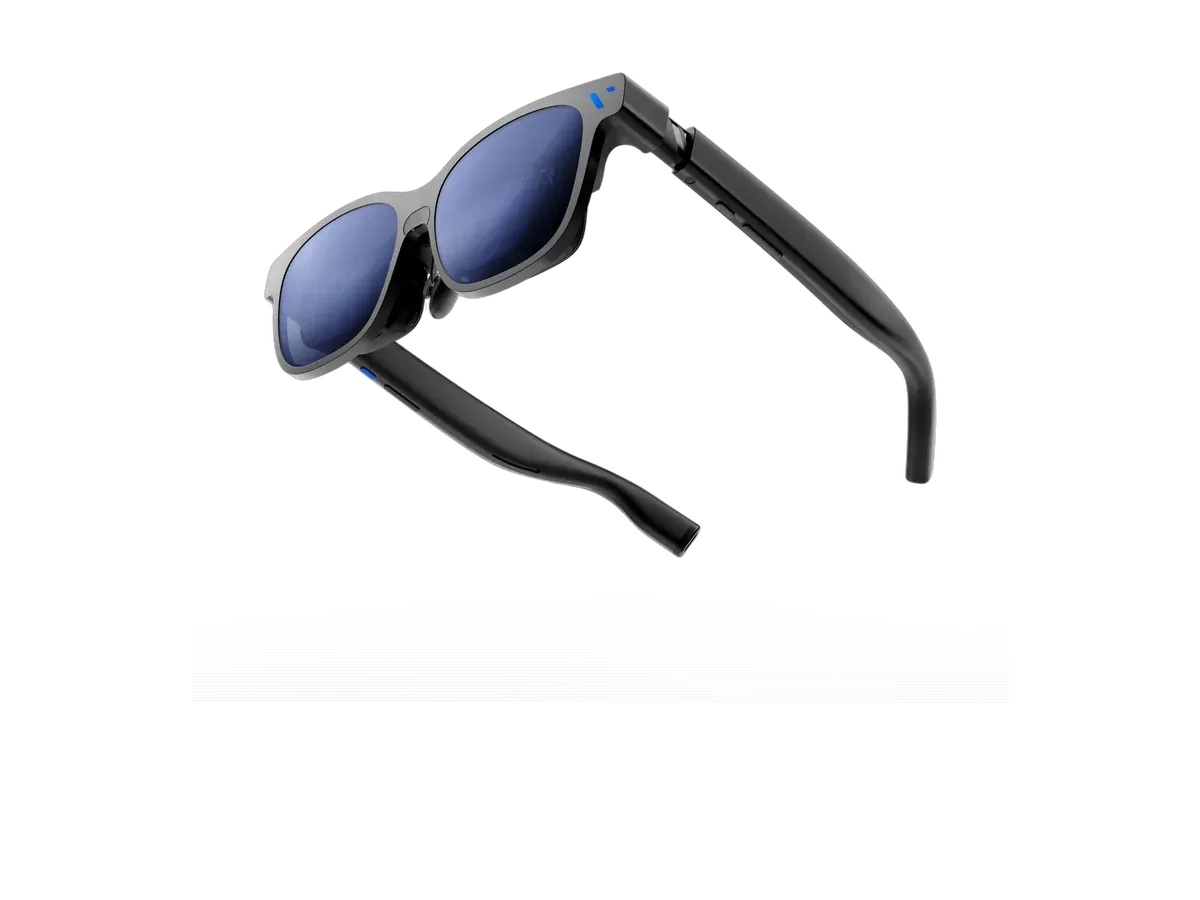
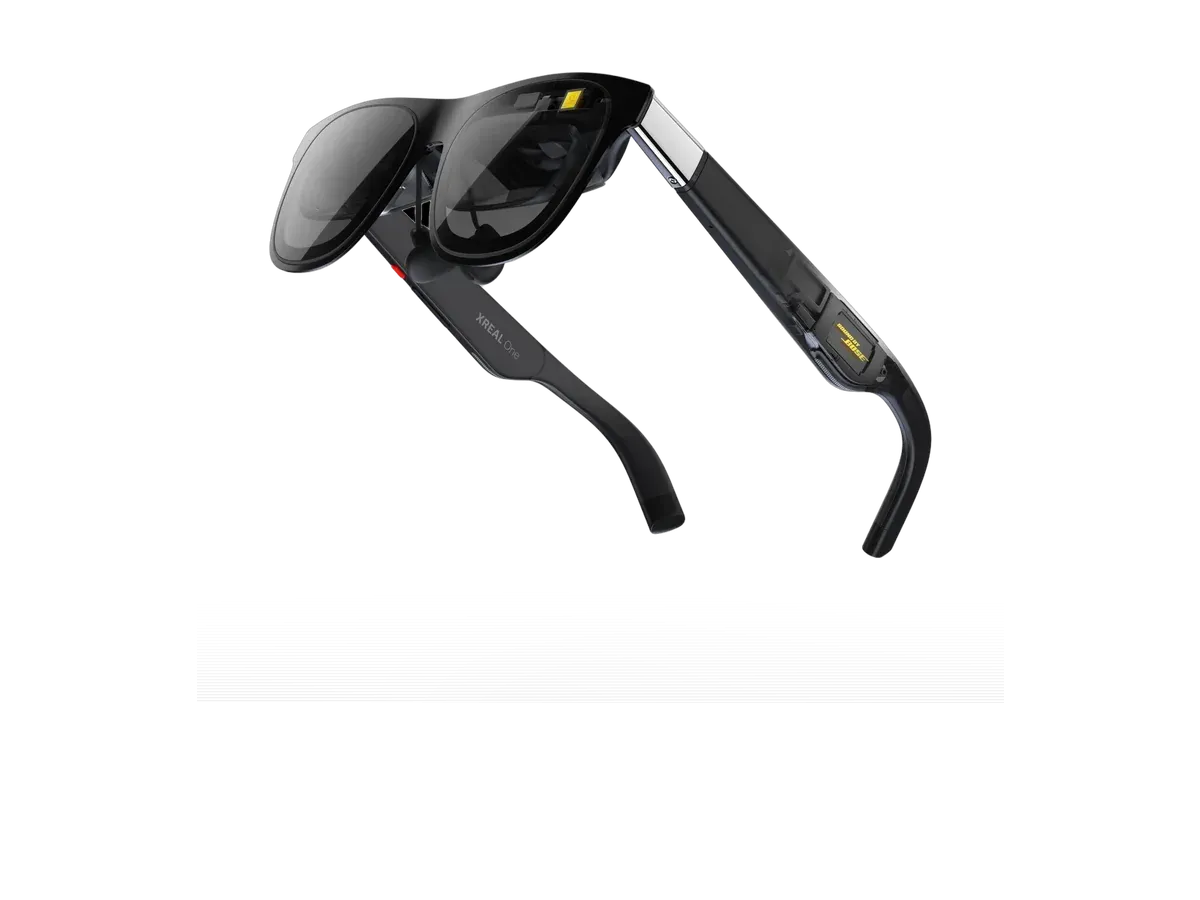
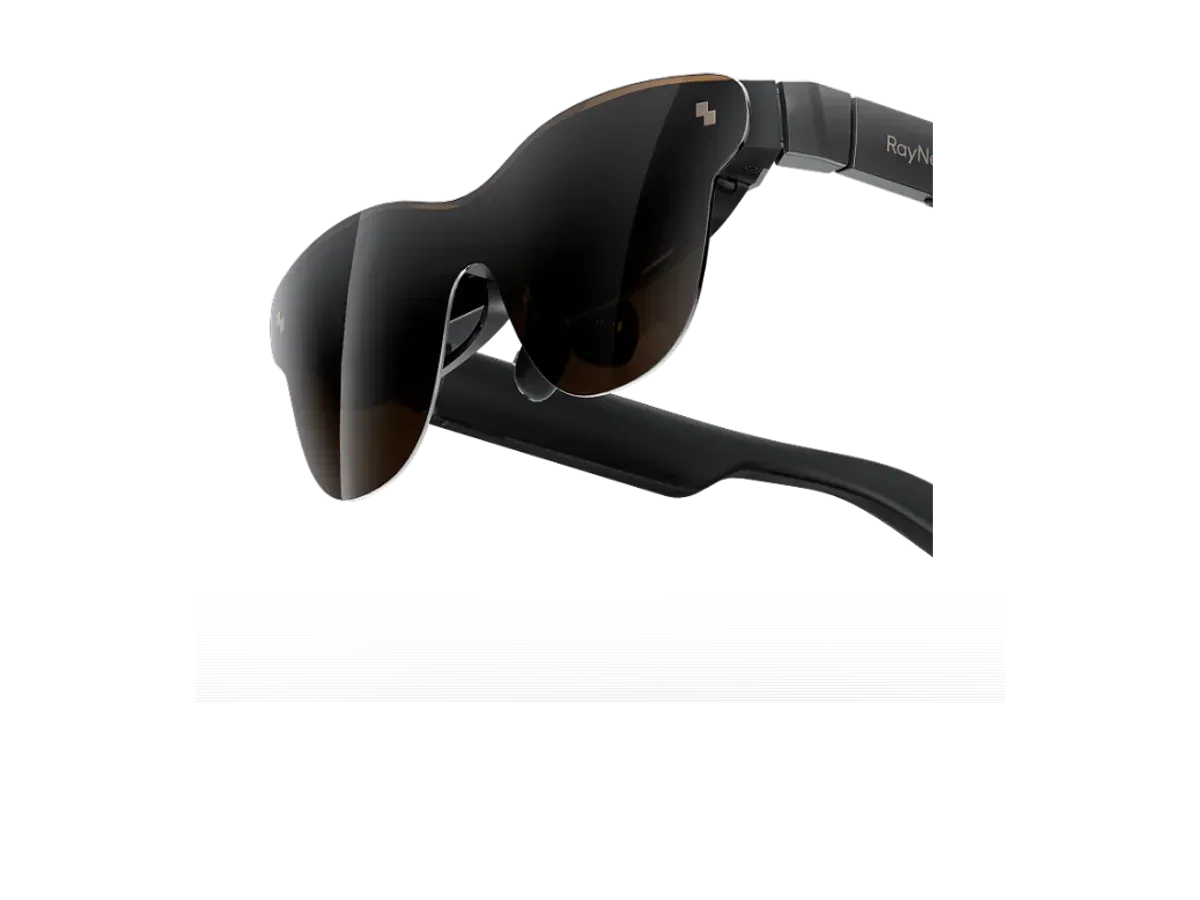
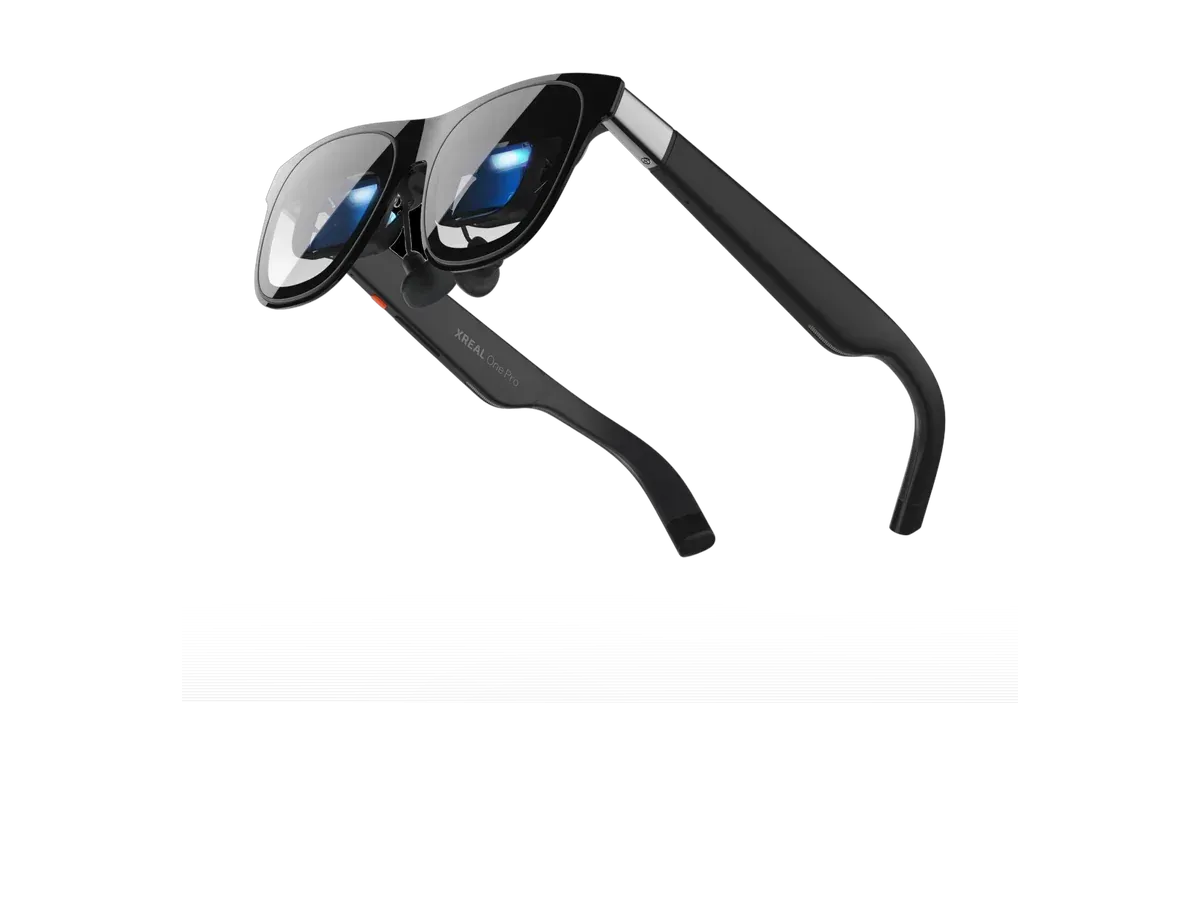
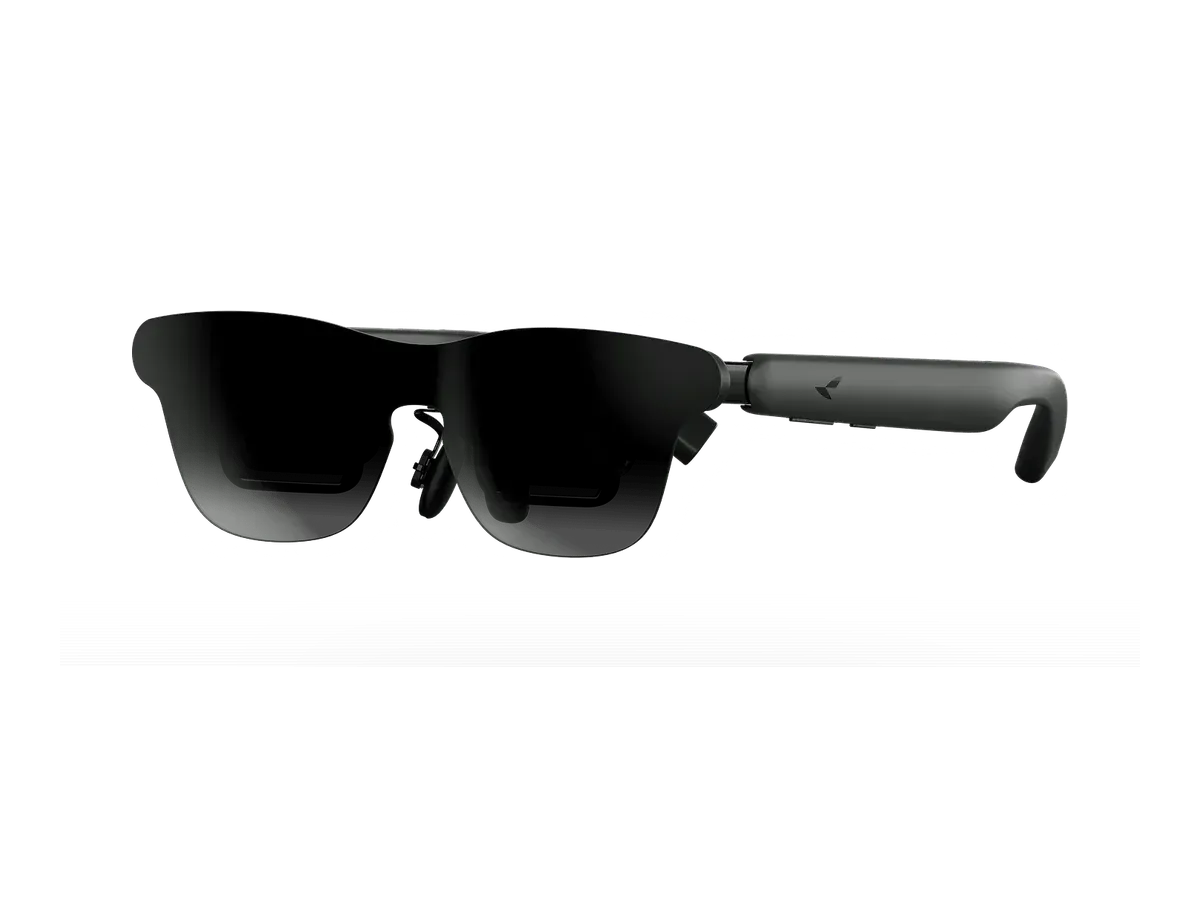
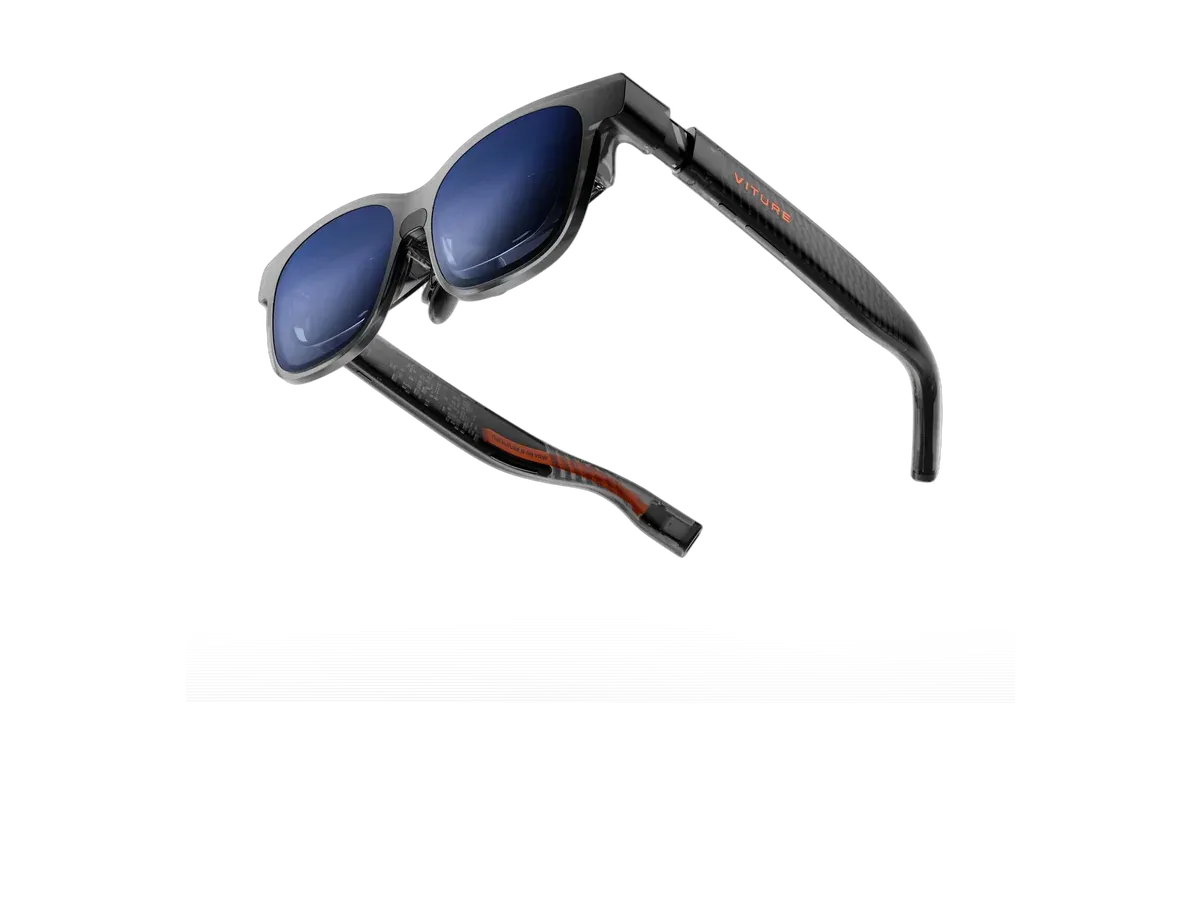
Android is the platform where display glasses either sing or refuse to make a sound, and the difference is one line on the phone’s spec sheet: whether its USB-C port outputs video over DisplayPort Alt Mode. Flagship lines from the major makers mostly do; budget and many mid-range phones mostly do not, because the video lanes cost money the segment competes away. Before any pick on this page, check your phone — search its model plus “DisplayPort Alt Mode”, or look for a video-output line in its official specs. If the phone qualifies, everything ranked above connects with one cable and turns it into a pocket cinema; the compatibility records behind the ranking are maker-declared device lists, presented honestly as declarations rather than lab results.
DeX turns the phone into the whole computer
The most interesting Android story is Samsung’s DeX: plug a supported Galaxy phone into an external display and it draws a windowed desktop — resizable apps, a taskbar, keyboard and mouse support — rather than a mirrored phone screen. Pair DeX with glasses and the desk disappears entirely: the phone in your pocket is the computer, the glasses are the monitor, and a folding keyboard makes it a workstation that fits in a jacket. Three products in our catalog record DeX support explicitly — the XREAL One, XREAL One Pro, and VITURE Beast — and the ranking’s DeX criterion scores exactly that recorded support. For the broader desk-free-work question beyond Samsung phones, the monitor glasses pillar and the productivity ranking weigh the same catalog from the work side.
On non-Samsung phones with video output, expect clean full-screen mirroring: your streaming apps, games, and camera roll at cinema scale, which is most of what a couch or a long flight asks for. Phones without video output are the honest disappointment of the category — no cable or setting adds missing hardware lanes. Some makers close the gap with companion accessories that take the phone’s screen by other means and feed the glasses; whether such a route exists for your model is documented per product, never assumed here. If your household is split across platforms, the iPhone ranking tells the Apple side of the story, where support is a per-model record rather than a rule.
What “Android XR” is, and what this page is not
Search results around Android glasses now mix two different products. Android XR is a platform for headsets and glasses that run their own apps and assistant on the device itself — a new category with its own hardware, covered in our Samsung Galaxy XR guide. The pairs ranked on this page are the other thing: tethered display glasses that let the Android phone you already own do all the computing while they act as its big private screen. They are cheaper, buyable today, and useful precisely because they add nothing to learn — if the phone can do it, the glasses can show it.
Reading the ranking through an Android lens: field of view and weight lead because phone sessions are couch and travel sessions; brightness with recorded dimming decides daylight use; and the recorded refresh figures — 120Hz on most current picks — keep scrolling and games smooth. When two picks tie in your shortlist, our comparison engine settles it spec by spec from the same recorded data this ranking runs on.