#1
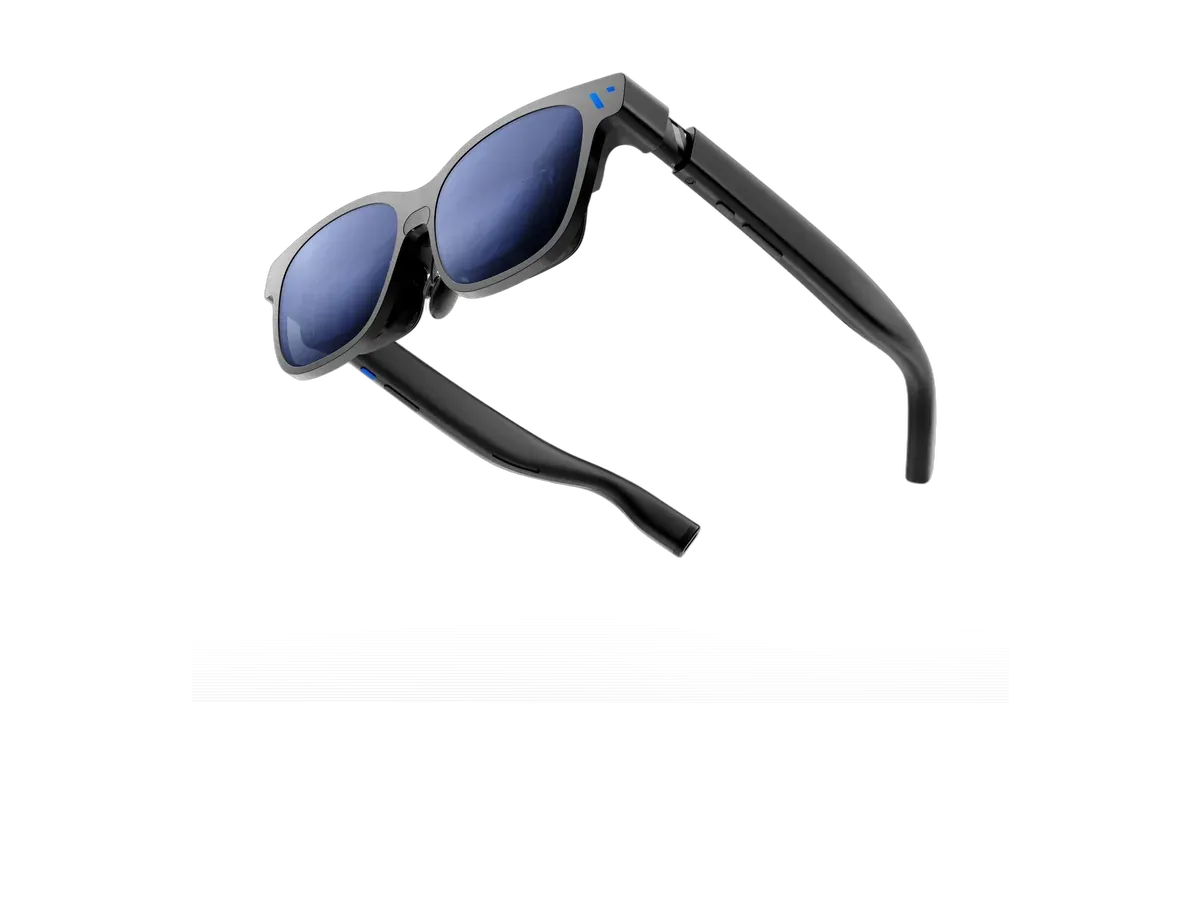
VITURE
Evidence confidence: 5 of 6 scoring inputs documented
Why it ranks here:
- 1920x1200 per eye — the sharpest panel class in glasses today (+20)
- 1250 nits brightness (+12)
- 58° field of view (+20)
- 120Hz refresh rate (+10)
- 88g weight (+4)
Best of
The honest resolution answer first, then the sharpest per-eye panels the catalog actually records.
Our top pick for the closest thing to 4K gaming on glasses is the VITURE Beast XR Glasses at $549.
Our top pick
VITURE Beast XR Glasses · $549 at VITURE Store
Check price at Amazon See full ranking ↓Product data last updated
Updated November 16, 2026. There are no consumer AR glasses with a true 4K-per-eye display in 2026. The sharpest panels sold in glasses today are 1920×1200 per eye — micro-OLED, not 3840×2160 — and the flagships from the biggest brands run 1920×1080. Every pair ranked below is one of those 1920×1200 panels: in stock, priced, built for gaming, and the closest thing to a 4K experience this product class offers. The page under the ranking explains why a 1200p panel an inch from your eye can still look sharp, and what that means for the 4K signal your console or PC outputs.
| # | Pick | Price | Best for |
|---|---|---|---|
| 1 | VITURE Beast XR Glasses | $549 | Top pick overall |
| 2 | VITURE Luma Ultra XR/AR Glasses | $599 | Brightest display here |
| 3 | VITURE Luma Pro | $499 | — |
| 4 | Rokid Max 2 | $299 | Lowest price here |
| 5 | VITURE Luma XR | $399 | — |
| 6 | XREAL 1S | $449 | — |
Ranked by Per-eye resolution · Brightness · Field of view · 120Hz refresh · Pixel density · Weight. Prices verified at VITURE Store, Rokid Store and Amazon.
Every pick is scored on the same criteria — a spec the maker doesn’t publish scores zero, and the Best for column marks where a pick leads this list. How we rank and check prices
The direct answer: you cannot buy consumer AR glasses with a true 4K-per-eye display in 2026. What you can buy — and what the ranking above holds — are the sharpest panels this product class records: 1920×1200 per eye, micro-OLED, at 120Hz.
The makers themselves stop short of the claim when the number has to be exact. XREAL’s own specification table lists its flagship One Pro at 1920×1080, and VITURE’s own Luma series page describes its top panels as a “1200p 4K-Like display” — their hyphen, not ours. “4K-like” is doing honest work there: the impression of sharpness comes from pixel density, not pixel count. A panel showing 1920×1200 inside a window of about fifty degrees packs its pixels as tightly per degree of your vision as a large 4K television viewed from across a living room. That is why spreadsheet text on these panels looks clean while the arithmetic says the TV has four times the pixels.
Resolution is a property of the panel, not the cable. Feed these glasses a 4K frame and you see that frame rendered at the panel’s native grid — at most 1920×1200 per eye on every pair ranked here. Nothing breaks and nothing looks wrong; you simply are not seeing 3840×2160 of distinct detail, whatever the source outputs. If a listing anywhere says “4K glasses,” read it as a statement about the input it accepts or the marketing mood, because no glasses panel on sale earns the number.
Every ranked pick above records a 1920×1200 per-eye panel — the catalog’s sharpest glasses class — and the score breakdowns show exactly which recorded spec earned each point: brightness, field of view, pixel density where the maker publishes it, and weight. One catalog record does sit above this class: the GOOVIS G3 Max records 2560×1440 per eye, but at 300 grams it is a head-mounted display you strap on, not glasses you wear, so it stays out of a glasses ranking on form-factor honesty. It is the right pointer only if per-eye pixels outrank everything else you care about.
If your actual question is “which glasses for my gaming PC,” the PC gaming ranking scores the wired USB-C field with the port rules that decide what connects. Console players have their own pages — the PS5 ranking and the Xbox ranking — where the HDMI reality and the hardware in between get the full treatment. If a richer picture matters more than pixel count, the HDR AR glasses ranking lists every pair with HDR support. This page exists to answer one question plainly, and the answer is: buy for pixels per degree, not for a 4K badge nobody can sell you yet.
Every eligible product is scored on the recorded specs below. Missing data scores zero — we never guess a value. Points shown next to each pick add up to its total score. Our full method
VITURE
Evidence confidence: 5 of 6 scoring inputs documented
Why it ranks here:
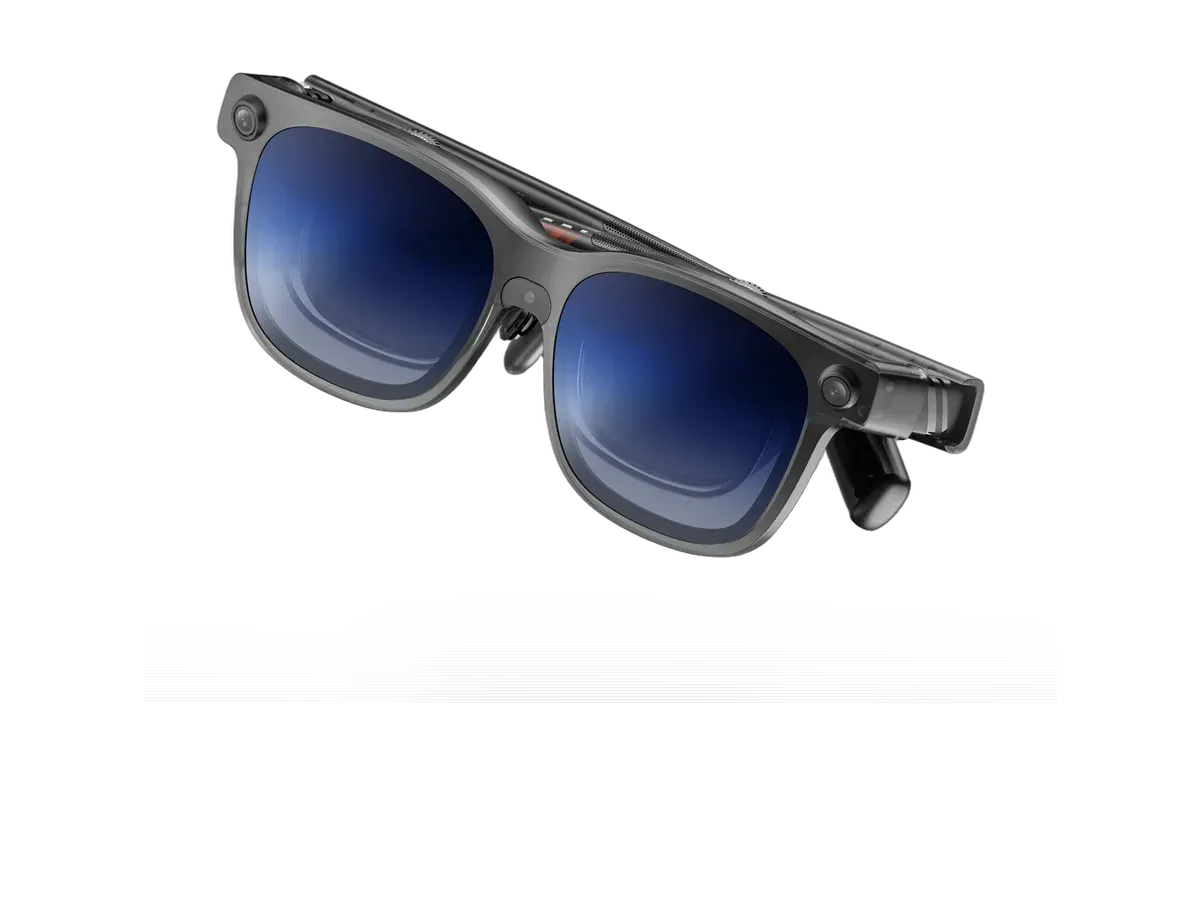
VITURE
Evidence confidence: 5 of 6 scoring inputs documented
Why it ranks here:
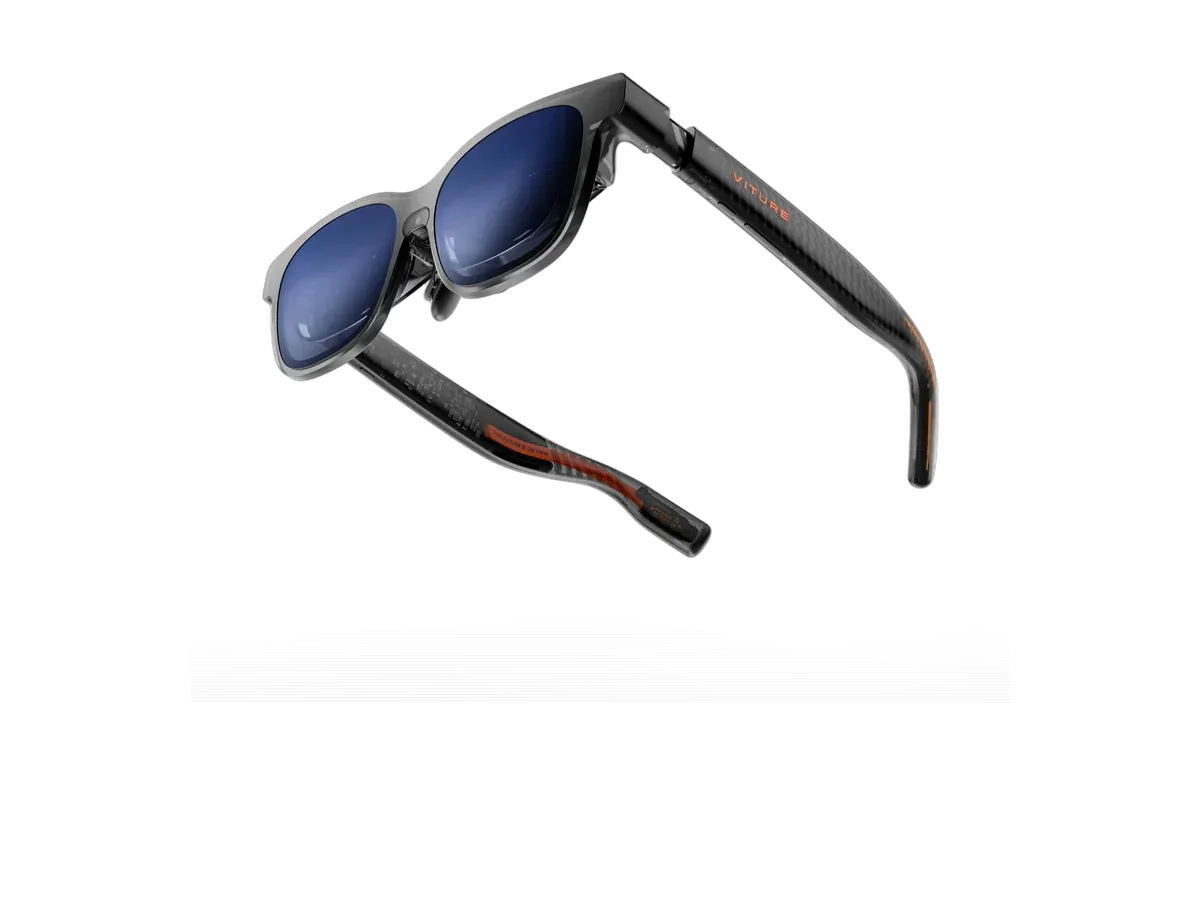
VITURE
Evidence confidence: 5 of 6 scoring inputs documented
Why it ranks here:
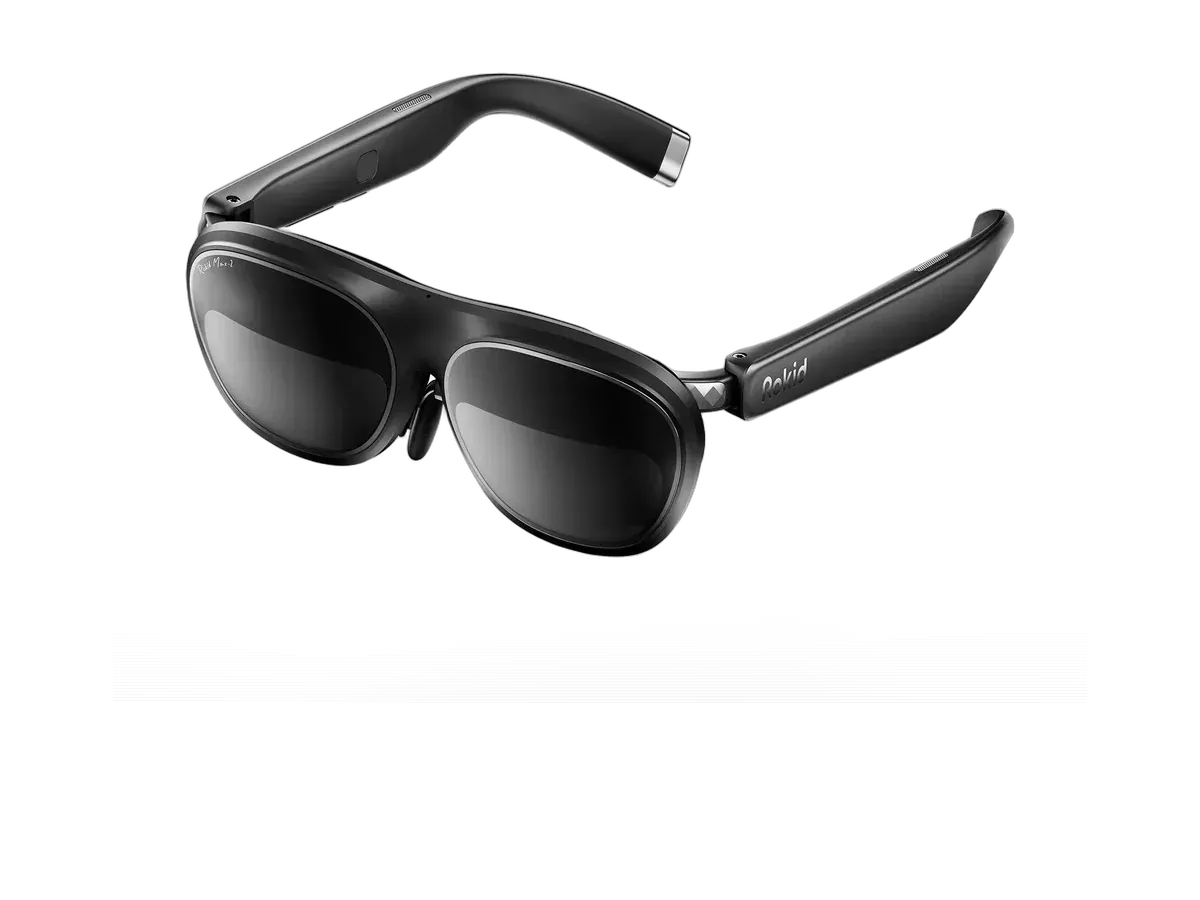
Rokid
Evidence confidence: 6 of 6 scoring inputs documented
Why it ranks here:
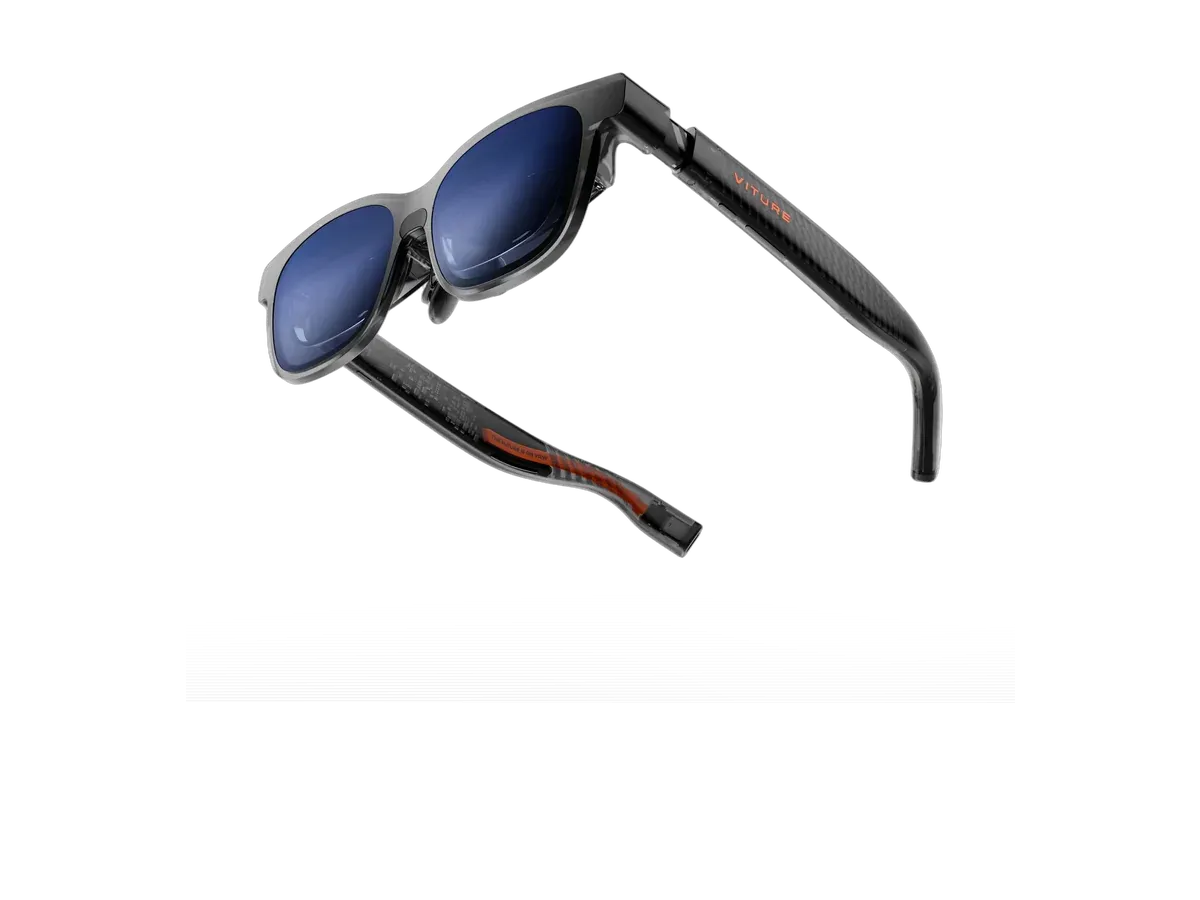
VITURE
Evidence confidence: 5 of 6 scoring inputs documented
Why it ranks here:
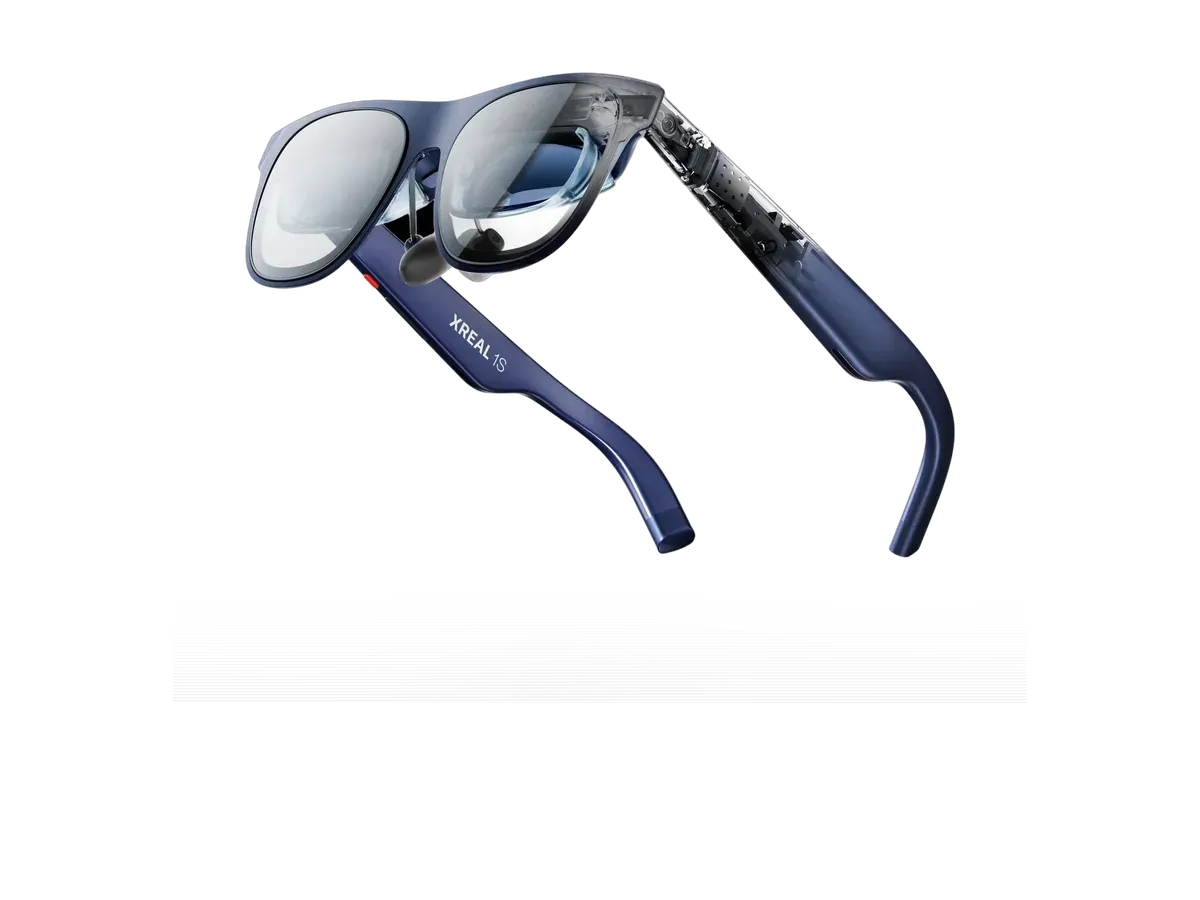
XREAL
Evidence confidence: 5 of 6 scoring inputs documented
Why it ranks here:
Buy the VITURE Beast XR Glasses if…
Buy the VITURE Beast XR Glasses if you want to spend $50 less ($549 vs $599) and you want the wider 58° field of view (vs 52°).
Buy the VITURE Luma Ultra XR/AR Glasses if…
Buy the VITURE Luma Ultra XR/AR Glasses if you need the brighter 1500-nit display (vs 1250 nits), you want the lighter 83g fit (vs 88g), and you need full 6DoF positional tracking.
Not in consumer glasses form in 2026. The sharpest glasses panels record 1920×1200 per eye, and major flagships run 1920×1080. True 4K-per-eye micro-OLED exists only in much heavier headset form factors. Any glasses listing that says 4K is describing the input signal or the impression of sharpness, not the panel.
The panel can only show its native pixels, so a 4K frame is displayed at the panel's own resolution — at most 1920×1200 per eye on the pairs ranked here. Games still look clean because the pixels sit dense in a small optical window, but you are not seeing 3840×2160 of detail.
Sharpness at the eye is pixels per degree: how many pixels land in each degree of your vision. A glasses panel concentrates its pixels into a window of roughly 50 degrees, so its density per degree can rival a large 4K TV viewed from across a room. That is why the ranking scores pixel density and field of view rather than chasing a 4K label no product earns.
Rankings that share the most top picks with this one.
Provenance: use case derived from the 4K-resolution myth question; membership requires a recorded 1920x1200 per-eye panel. Rankings are computed from recorded product specs only.