#1
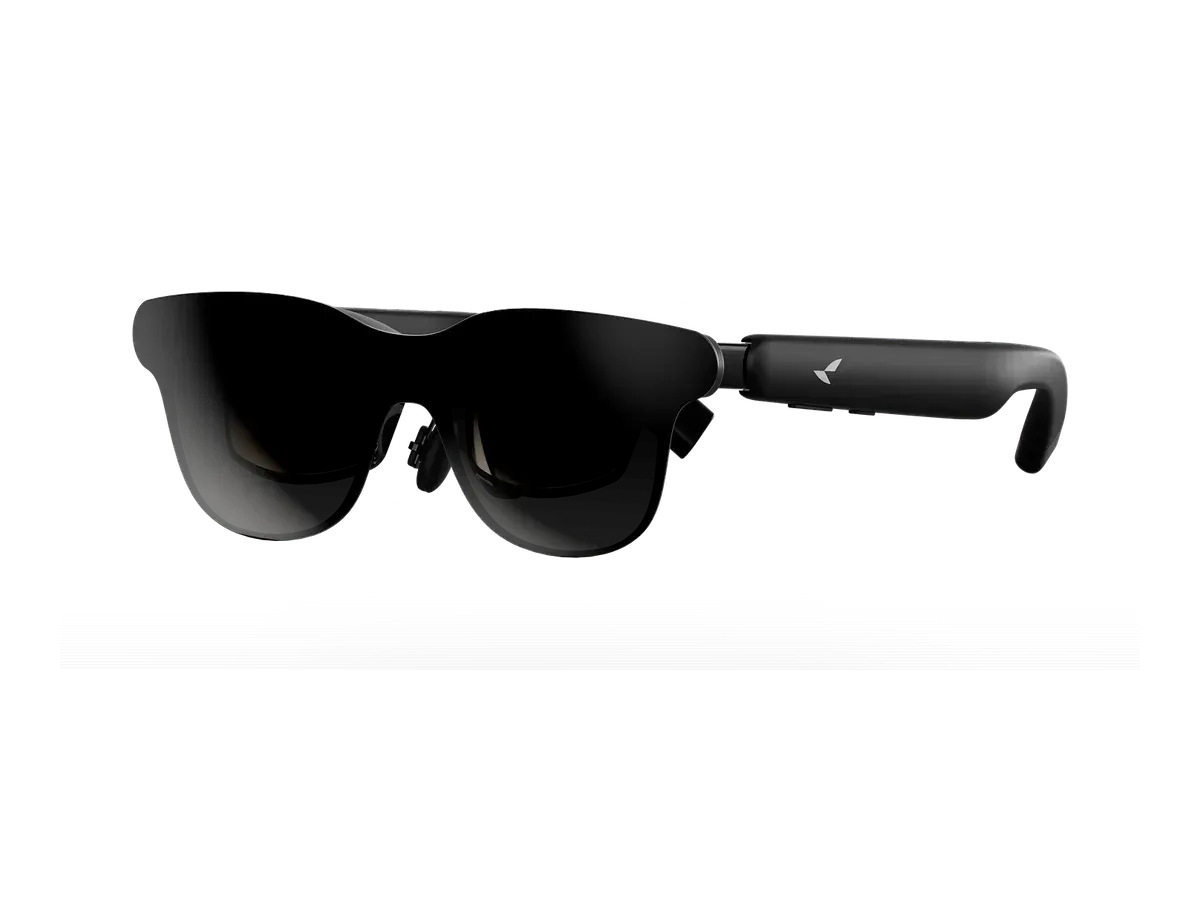
RayNeo
Evidence confidence: 6 of 7 scoring inputs documented
Why it ranks here:
- 46° field of view (+12)
- 49 pixels per degree (+15)
- 120Hz refresh rate (+15)
- 1200 nits brightness (+10)
- 68g weight (+15)
- $329 price (+10)
Best of
Glasses that can pin the screen in place when you turn your head.
Our top pick for 3DoF head tracking is the RayNeo GT at $329.
Product data last updated
The best 3DoF AR glasses keep the screen still when you turn your head, so it feels like a real monitor hanging in front of you instead of one glued to your face. 3DoF means three degrees of freedom: the glasses track turning left and right, looking up and down, and tilting. Some do this with a chip in the glasses, and others need the maker's app on your phone or computer. Every pair below has 3DoF tracking from its maker. The ranking scores field of view (how much of your vision the screen fills), sharpness, refresh rate, weight and price.
| # | Pick | Price | Best for |
|---|---|---|---|
| 1 | RayNeo GT | $329 | Top pick overall |
| 2 | VITURE Pro 2 XR Glasses | $299 | Lowest price here |
| 3 | XREAL One | $399 | — |
| 4 | VITURE Luma XR | $399 | — |
| 5 | RayNeo GT Max | $429 | Widest view here |
| 6 | XREAL 1 Pro+ | $599 | — |
Ranked by Field of view · Sharpness · Refresh rate · Brightness · Weight · Price · Lens dimming. Prices verified at XREAL for 1 of these picks; the other 5 were last verified on . Each product page shows its own date.
Every pick is scored on the same criteria — a spec the maker doesn’t publish scores zero, and the Best for column marks where a pick leads this list. How we rank and check prices
Every eligible product is scored on the recorded specs below. Missing data scores zero — we never guess a value. Points shown next to each pick add up to its total score. Our full method
RayNeo
Evidence confidence: 6 of 7 scoring inputs documented
Why it ranks here:
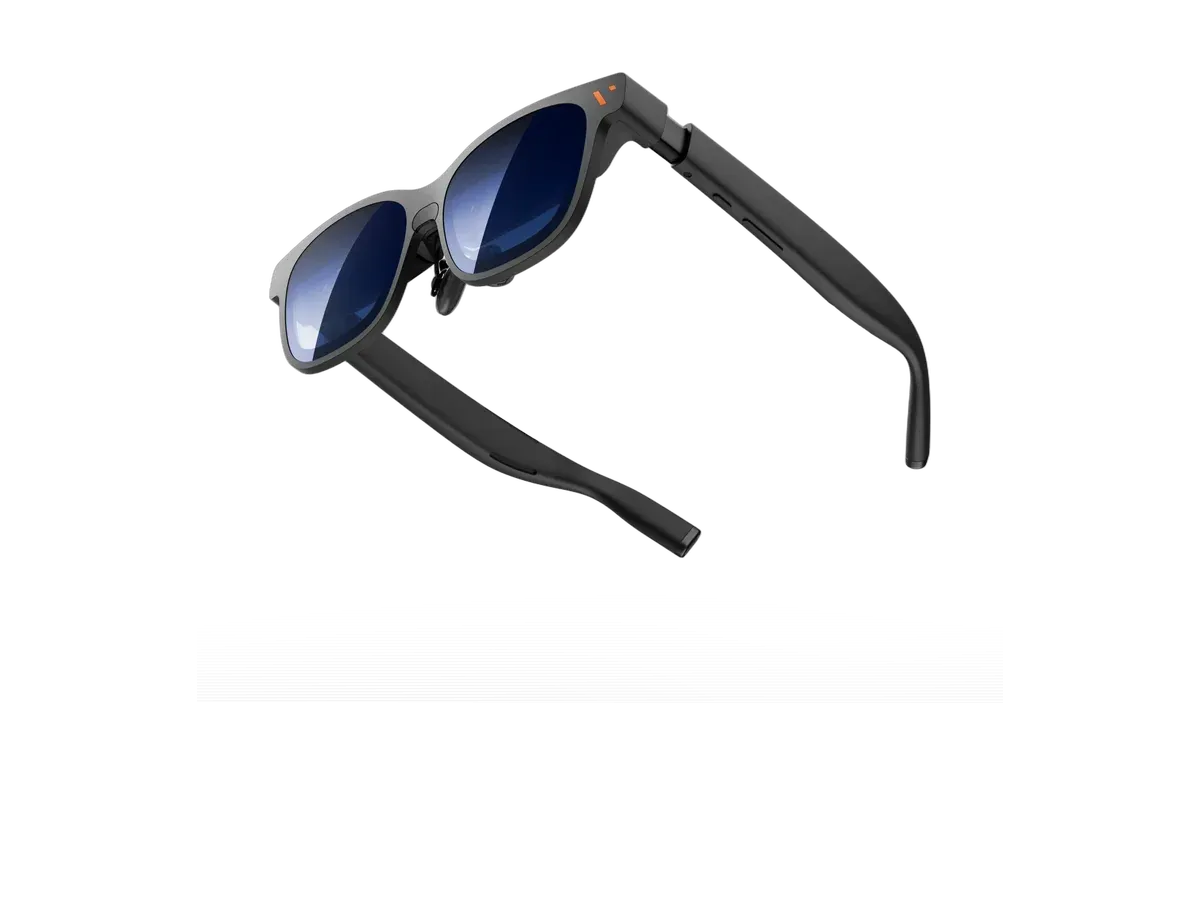
VITURE
Evidence confidence: 6 of 7 scoring inputs documented
Why it ranks here:
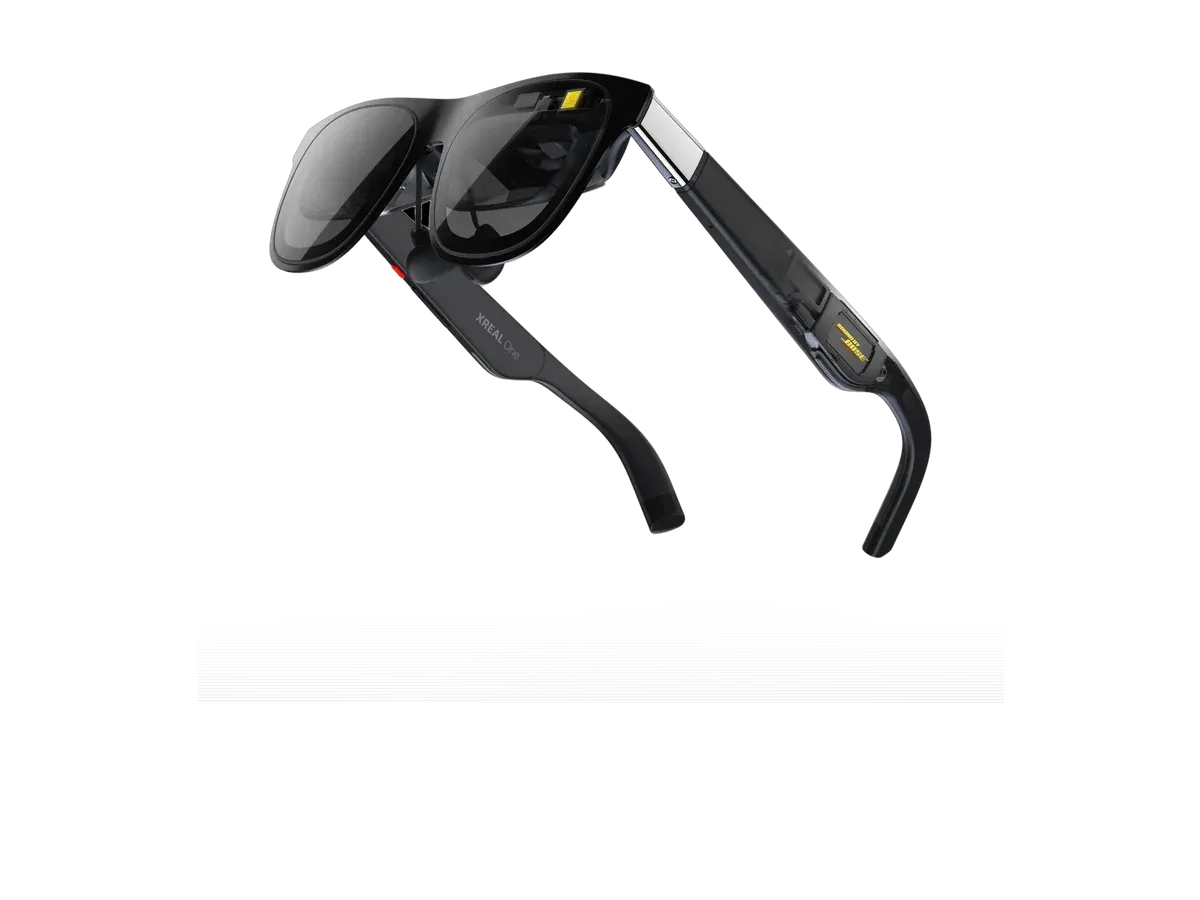
XREAL
Evidence confidence: 7 of 7 scoring inputs documented
Why it ranks here:
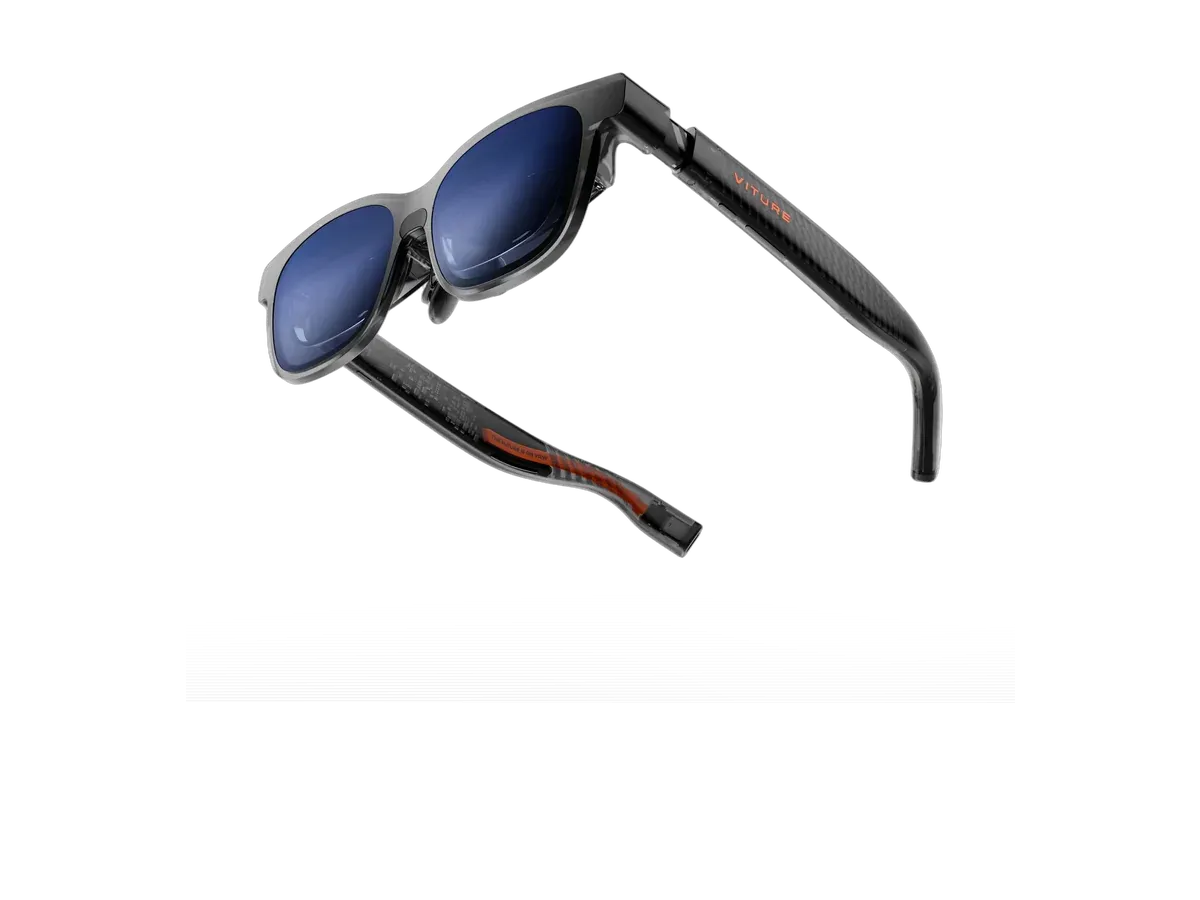
VITURE
Evidence confidence: 6 of 7 scoring inputs documented
Why it ranks here:
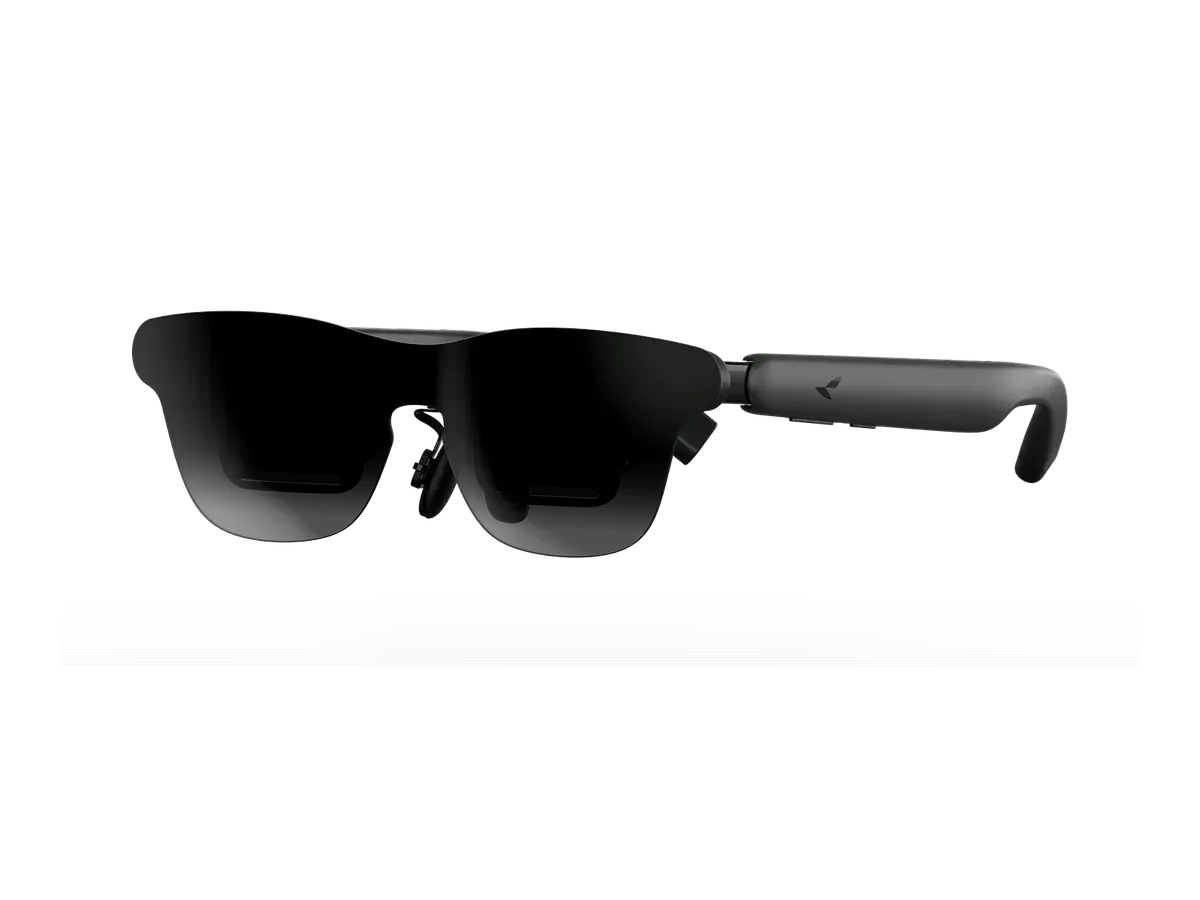
RayNeo
Evidence confidence: 6 of 7 scoring inputs documented
Why it ranks here:
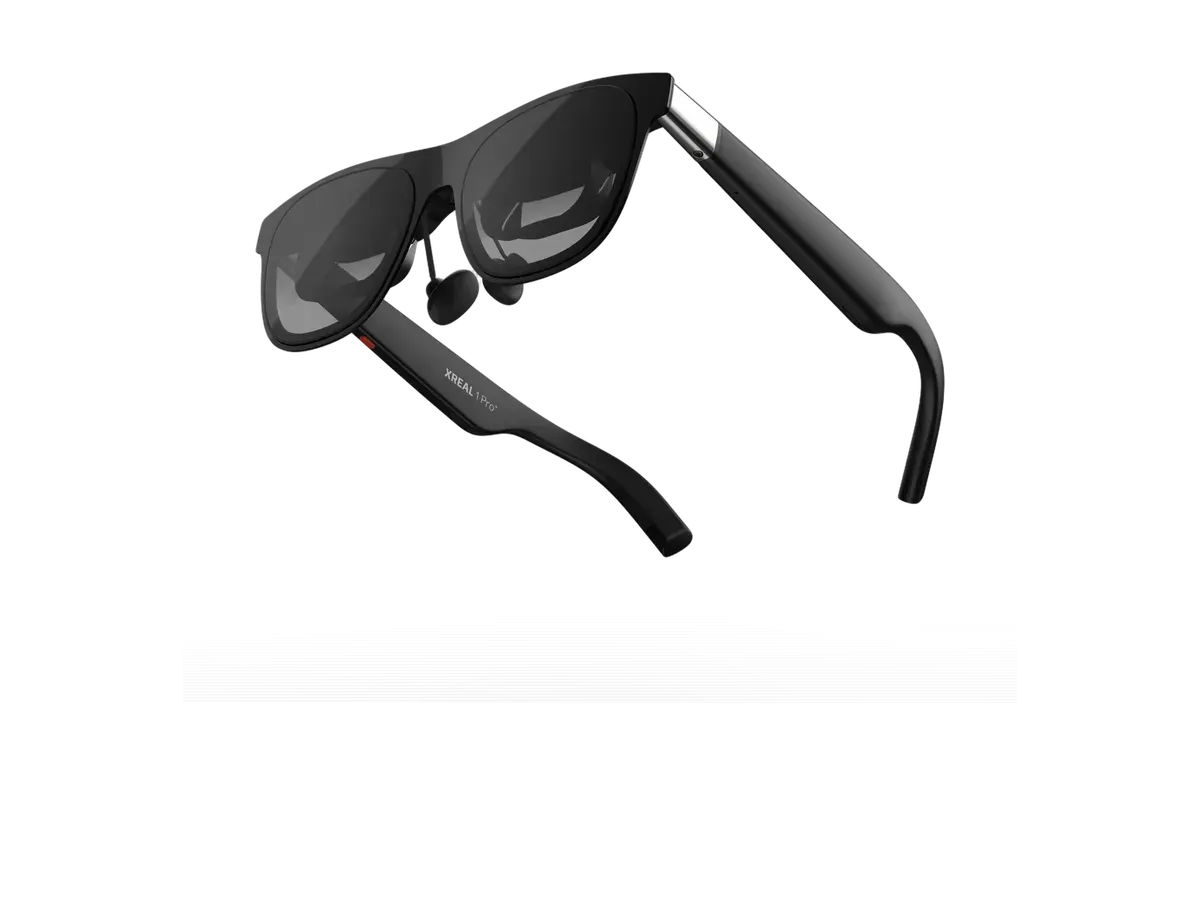
XREAL
Evidence confidence: 6 of 7 scoring inputs documented
Why it ranks here:
Buy the RayNeo GT if…
Buy the RayNeo GT if you want HDR support and you want spatial audio.
Buy the VITURE Pro 2 XR Glasses if…
Buy the VITURE Pro 2 XR Glasses if you want to spend $30 less ($299 vs $329), you want the wider 50° field of view (vs 46°), you need the brighter 1600-nit display (vs 1200 nits), and you want the lighter 63g fit (vs 68g).
Three degrees of freedom. The glasses sense your head turning left and right, nodding up and down, and tilting side to side, and move the picture the other way so the screen seems to stay still. They don't sense you leaning or walking. That needs 6DoF.
Some do. The XREAL One and One Pro, the RayNeo GT and GT Max and the VITURE Beast pin the screen with a chip in the glasses, so it works on any device. Others, such as the VITURE Pro 2, pin it through the maker's app on your phone or computer, so it only works where that app runs.
For games, many people turn it off and let the screen follow their head, because a pinned screen drifts out of view when you look down at a controller. 3DoF shines for films and work, where a still screen is more comfortable. Most glasses let you switch between the two modes.
3DoF is enough for a pinned screen while you sit. 6DoF also tracks you leaning in and walking around, which suits apps that place objects in the room. 6DoF glasses cost more and there are far fewer of them. Our 3DoF vs 6DoF guide explains the difference.
Plain-English explainers on the models and questions this ranking covers.
Rankings that share the most top picks with this one.
Provenance: use case derived from display-glasses buyers who want a pinned screen: maker-stated 3DoF tracking. Rankings are computed from recorded product specs only.