Best overall
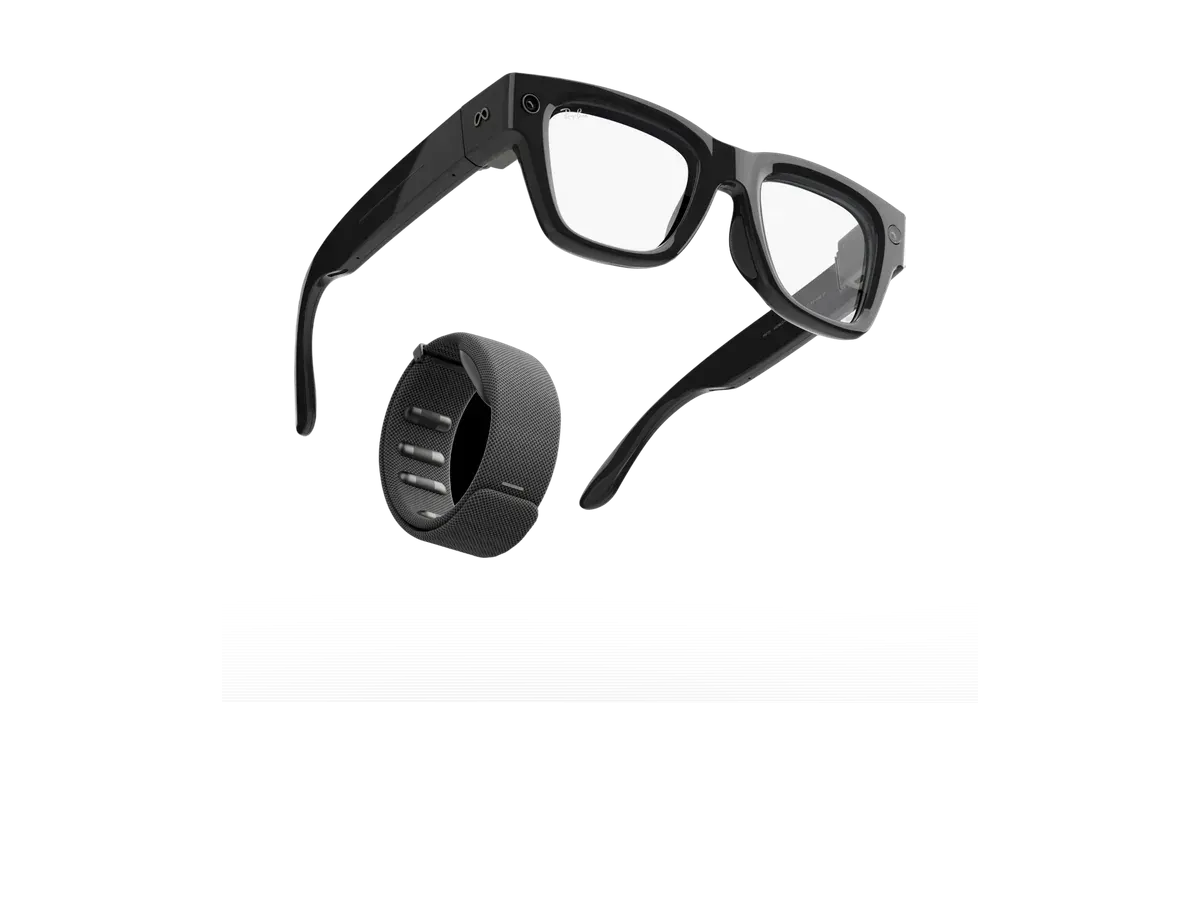
Meta Ray-Ban Display
$799
Our highest overall score, 80/116 — the most capable all-rounder on the list.
See the Meta Ray-Ban DisplayBest of
AI camera glasses, HUD frames, and display glasses — every wearable type, ranked on recorded specs.
Product data last updated
The best smart glasses in 2026 fall into three families: AI camera glasses you wear like sunglasses, ultralight HUD frames that float notifications and directions in the corner of your eye, and display glasses that plug in for a giant private screen. This hub ranks all three together on the recorded specs that decide day-to-day usefulness — weight, assistant, camera, display, battery, and price — so you can jump straight to the type that fits how you'll actually wear them.
Our top pick for Smart Glasses of 2026 is the Meta Ray-Ban Display at $799.
“Smart glasses” and “AR glasses” get used interchangeably, but they answer different questions — and this hub is built around that difference. Smart glasses are wearable frames that add a layer of usefulness without changing what you see: a voice assistant and a camera in a sunglasses body, an ultralight frame that floats a line of text in the corner of your eye, or display glasses that plug into a phone or laptop for a private big screen. If you are still getting your bearings, what are smart glasses breaks down the three families and how they work. If you instead want digital objects anchored in the room around you with full spatial tracking, that is true augmented reality — a headset-class experience covered in the dedicated Best AR glasses of 2026 guide, kept on its own page so the two searches never land on the same ranking.
Because those three families — AI and camera glasses, heads-up display frames, and tethered display glasses — succeed on completely different specs, the ranking below scores each pair on what its own job demands: weight and battery for all-day frames, camera and assistant hardware for AI glasses, field of view and brightness for display glasses. The award tiles at the top surface the standout for each of those intents, so you can skip straight to your camp instead of reading the whole list.
Two things are worth settling before you buy. First, display glasses have no battery or standalone brain: they draw power and video from the device you plug into, so confirm your phone, laptop, or handheld supports USB-C DisplayPort Alt Mode — and the optics trade-offs behind the picture are explained in birdbath vs waveguide. Second, if price is the deciding factor, the best budget picks hub sorts the sub-$350 field cheapest-first, and you can always compare any two models side by side before you commit.
Four standouts, one for each way people shop for smart glasses — each chosen from the same recorded specs as the full ranking below.
Best overall
$799
Our highest overall score, 80/116 — the most capable all-rounder on the list.
See the Meta Ray-Ban DisplayBest camera & AI
$379
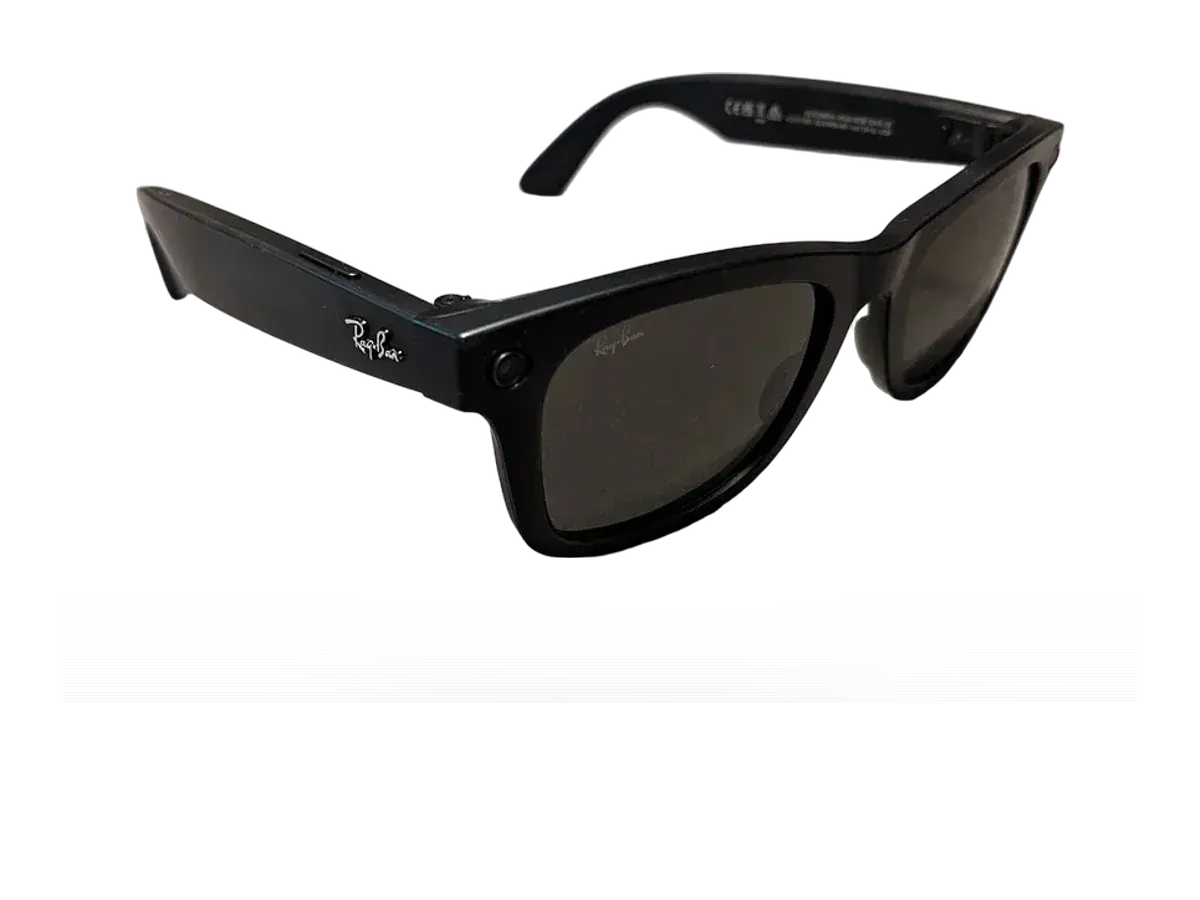
12MP camera paired with Meta AI.
See the Ray-Ban Meta Gen 2Best display glasses
$549
The widest field of view here at 58°, 120Hz.
See the VITURE Beast XR GlassesBest budget pick
$199
The strongest score under $300, recorded at $199.
See the Solos AirGo 3Every eligible product is scored on the recorded specs below. Missing data scores zero — we never guess a value. Points shown next to each pick add up to its total score.
Meta
Why it ranks here:
Brilliant Labs
Why it ranks here:
Meta
Why it ranks here:
Even Realities
Why it ranks here:
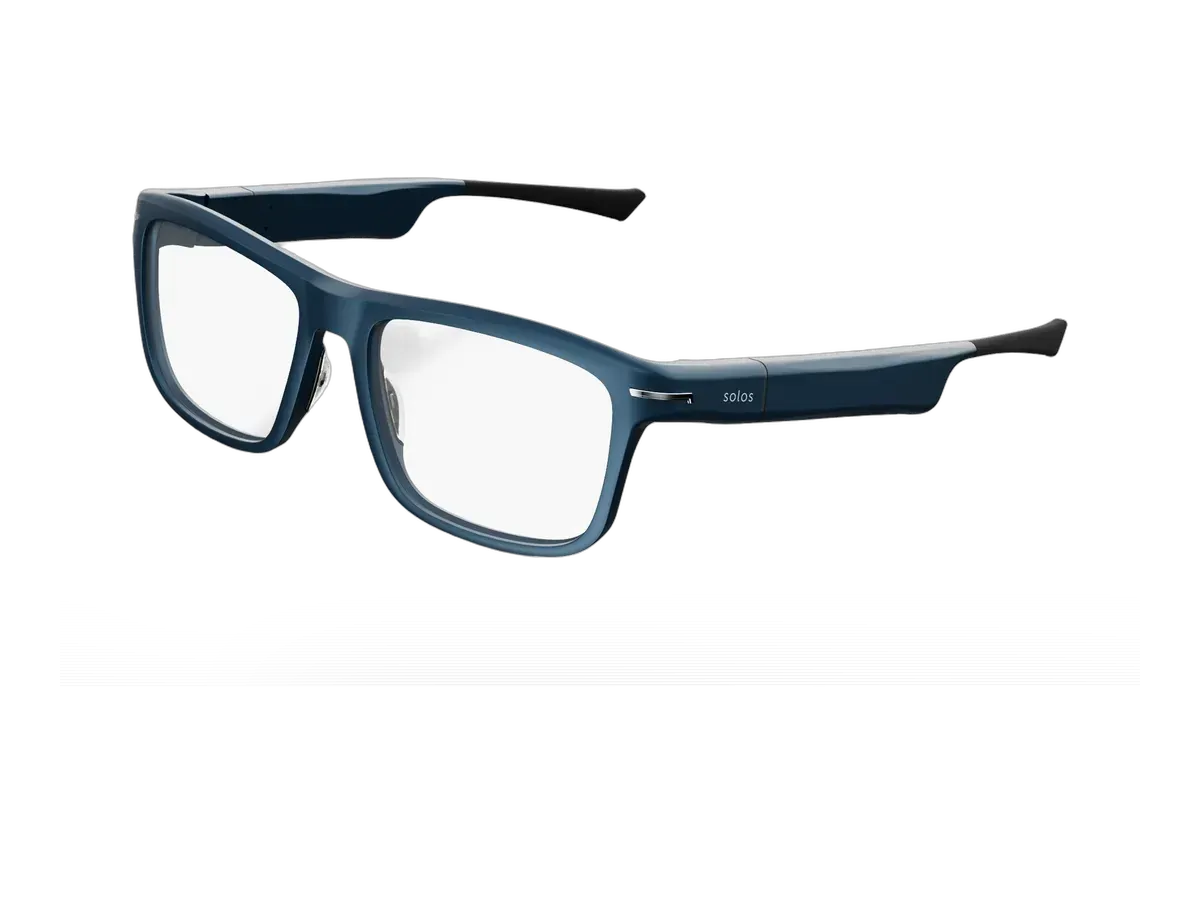
Solos
Why it ranks here:
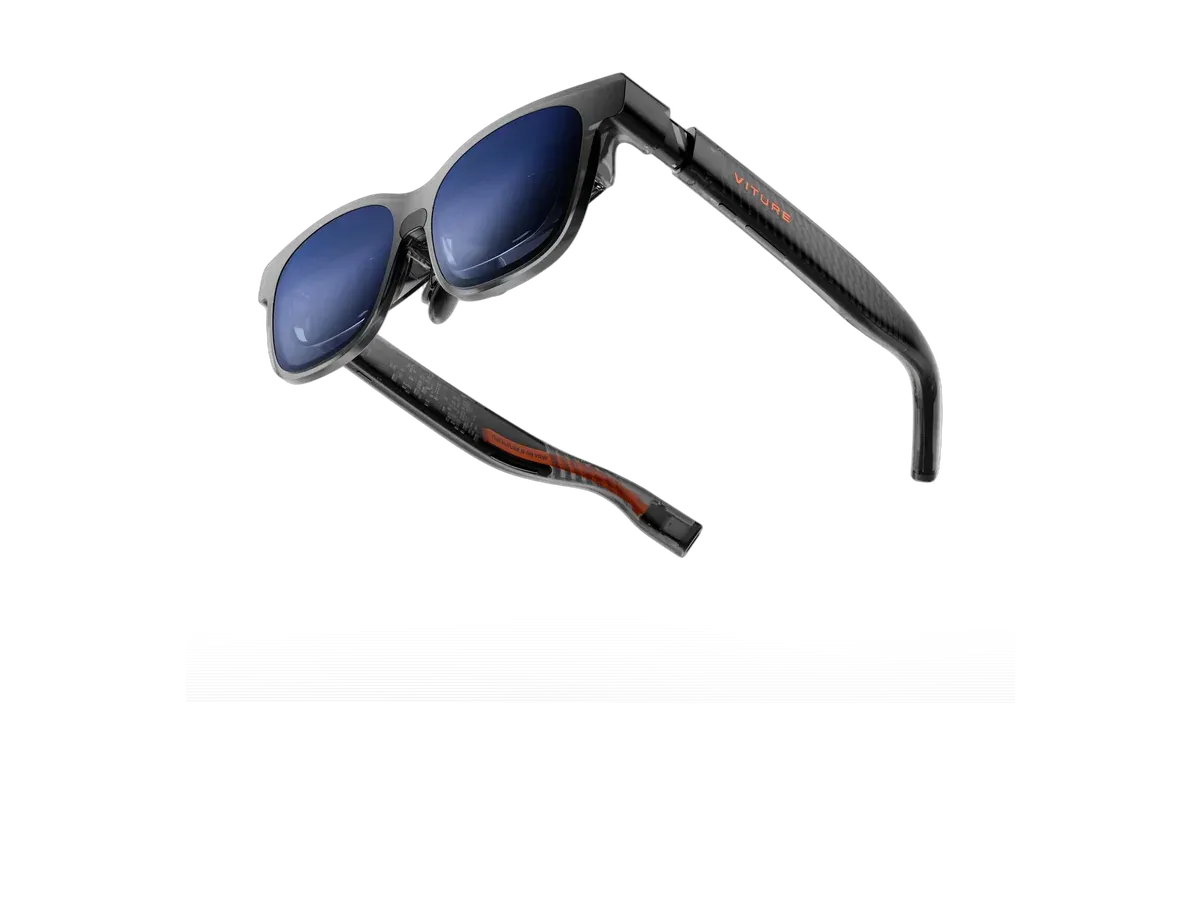
VITURE
Why it ranks here:
Buy the Brilliant Labs Frame if…
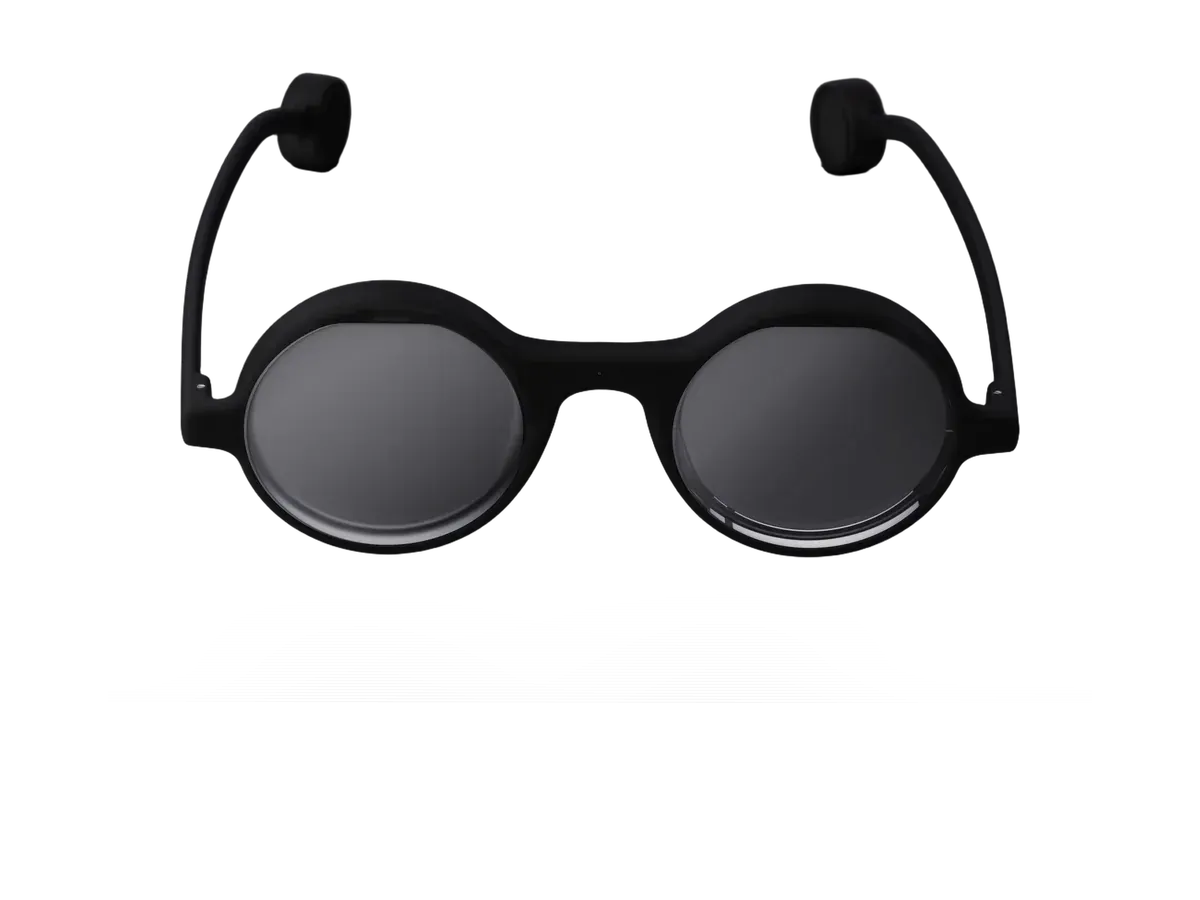
Buy the Brilliant Labs Frame if you want to spend $450 less ($349 vs $799) and you want the lighter 40g fit (vs 69g).
Buy the Meta Ray-Ban Display if…
Buy the Meta Ray-Ban Display if you need longer battery life (6 hours vs 4) and you want adjustable lens dimming.
Smart glasses is the umbrella term for wearable glasses that add a camera, an AI assistant, open-ear audio, or a small heads-up display without changing how you see the world. True AR glasses go further, overlaying 3D digital content anchored to your surroundings with spatial (6DoF) tracking. This hub ranks smart glasses — AI/camera frames, HUD frames, and plug-in display glasses; headset-class spatial AR is covered separately.
AI or camera glasses worn like sunglasses, with a voice assistant and often a camera but no screen; HUD glasses, ultralight frames with a small display for notifications, navigation, and translation; and display glasses that tether to a phone, laptop, or console for a large virtual screen. Each is ranked on the specs that matter for its job.
Many do. Every pick on this page records whether it supports prescription lenses, either through the maker's own optical program or clip-in inserts. If you wear glasses daily, check that support first — the ranking shows it in each pick's score breakdown.
Every available pair is scored on recorded specs only: weight, assistant, camera, display and field of view, brightness, refresh rate, battery, audio, prescription support, and price. Missing data scores zero rather than a guessed value, and the points behind each pick are shown on the page. Rankings recompute whenever the catalog updates.
Provenance: use case derived from the all-types smart-glasses buying question; scope is every wearable family we track (AI camera glasses, HUD frames, and display glasses). Rankings are computed from recorded product specs only.