#1
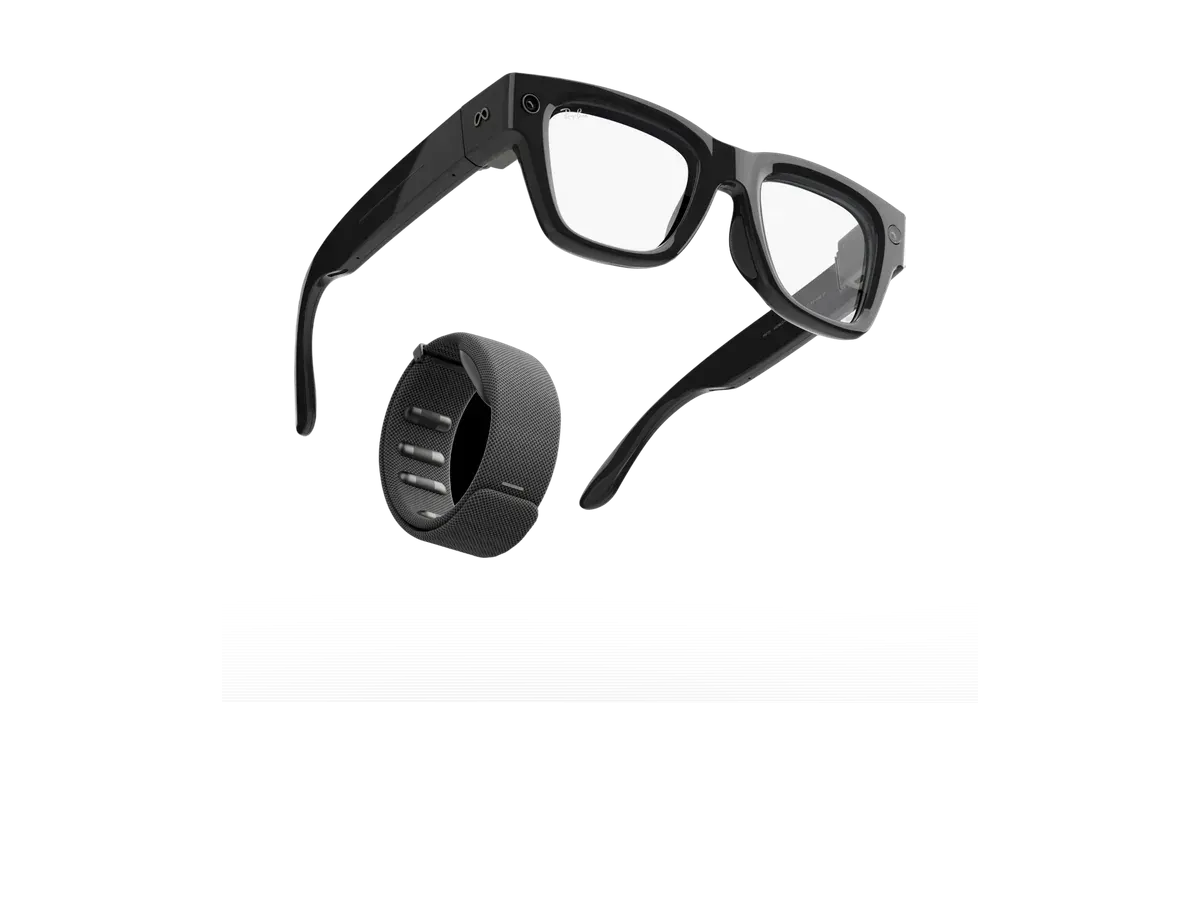
Meta
Why it ranks here:
- 5000 nits recorded (+100)
- 5000 nits daylight class (+20)
- four-figure nits on record (+5)
Best of
Ranked nit by nit from recorded brightness figures, brightest first.
Product data last updated
Brightness decides where you can actually use smart glasses: a picture that looks vivid in a dim room can vanish on a train platform at noon. Every product here is ranked by its recorded brightness in nits, brightest first, and nothing else moves the order. Read the numbers with care -- they are maker-published claims rather than independently measured results, and our records keep the to-eye convention, the light that actually reaches your eye, wherever the maker documents it. Different display types also spend their light differently, so a see-through heads-up frame and an enclosed viewer quoting the same figure are not the same experience. Where no brightness figure is recorded, the product is excluded rather than guessed at.
Our top pick for the brightest picture is the Meta Ray-Ban Display at $799.
Nits are where smart-glasses marketing gets slipperiest, so this page states its rules plainly. A nit is a unit of luminance — light per area — and for see-through eyewear the only figure that matters is the light that survives the optics and reaches your eye. Some makers quote exactly that; others quote what the internal panel emits before the optics take their cut, and see-through designs can lose a large majority of panel light on the way through. Our records keep the to-eye figure wherever the maker documents one, and the ranking above orders whatever each maker stands behind. That makes small gaps between entries noise and large gaps signal: read it the way you would read fuel-economy claims, honestly labeled but nobody’s lab report.
The ranking also mixes families that earn their numbers differently. Cinema-style display glasses spend their light across a huge virtual screen for rooms and cabins where you control the lighting, and pair the output with electrochromic dimming that darkens the world behind the picture — often worth more in practice than extra raw output, which is why the dimming column on each product page deserves a look alongside this one. Text-first heads-up frames solve the opposite problem: compact glyphs that must stay legible against open sky, engineered for daylight contrast rather than picture richness. The display-glasses ranking and the HUD glasses ranking split those families properly if you already know which one you are shopping.
Where you will use the glasses should set your floor. Controlled indoor light is forgiving, commuting mixes bright platforms with dim cabins, and full daylight is merciless — the difference between a picture and a rumor of one. Brightness also has a bill: on self-powered frames the display is the hungriest component, so daylight-class output trades directly against the hours on our battery-life ranking, while tethered pairs send that bill to the phone or laptop powering them. The physics of where the light goes lives in our birdbath vs waveguide explainer, every term is defined in the specs glossary, and when the short list forms you can compare any two models with their recorded nits side by side.
Every eligible product is scored on the recorded specs below. Missing data scores zero — we never guess a value. Points shown next to each pick add up to its total score.
Meta
Why it ranks here:
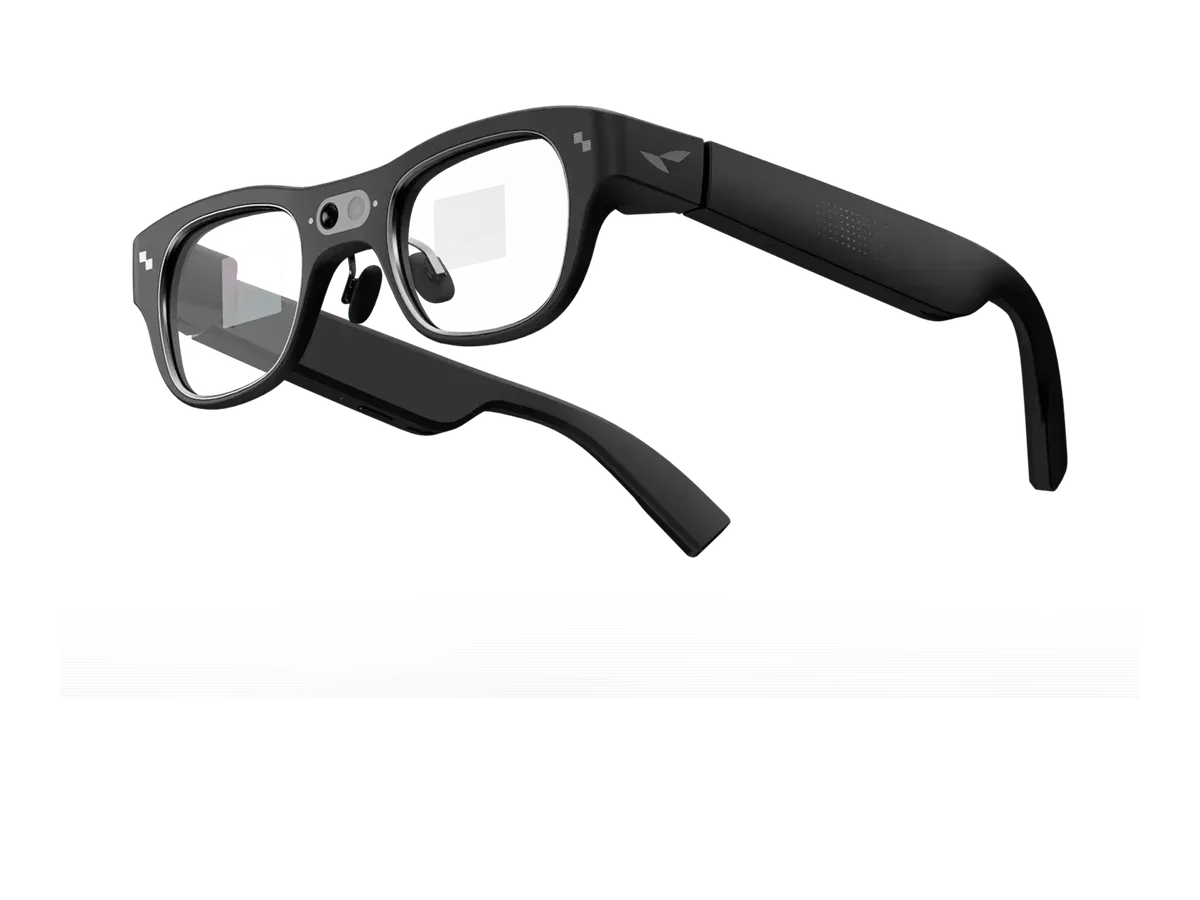
RayNeo
Why it ranks here:
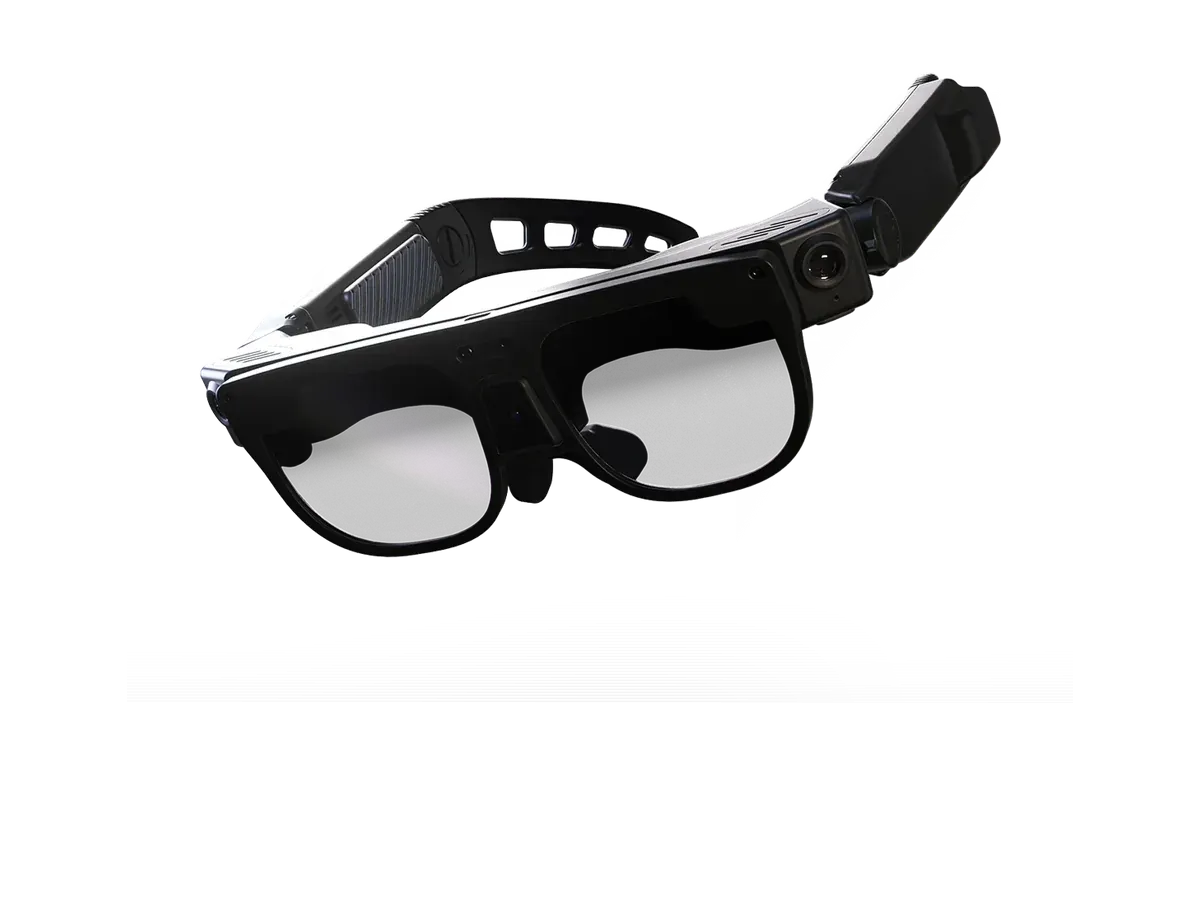
DigiLens
Why it ranks here:
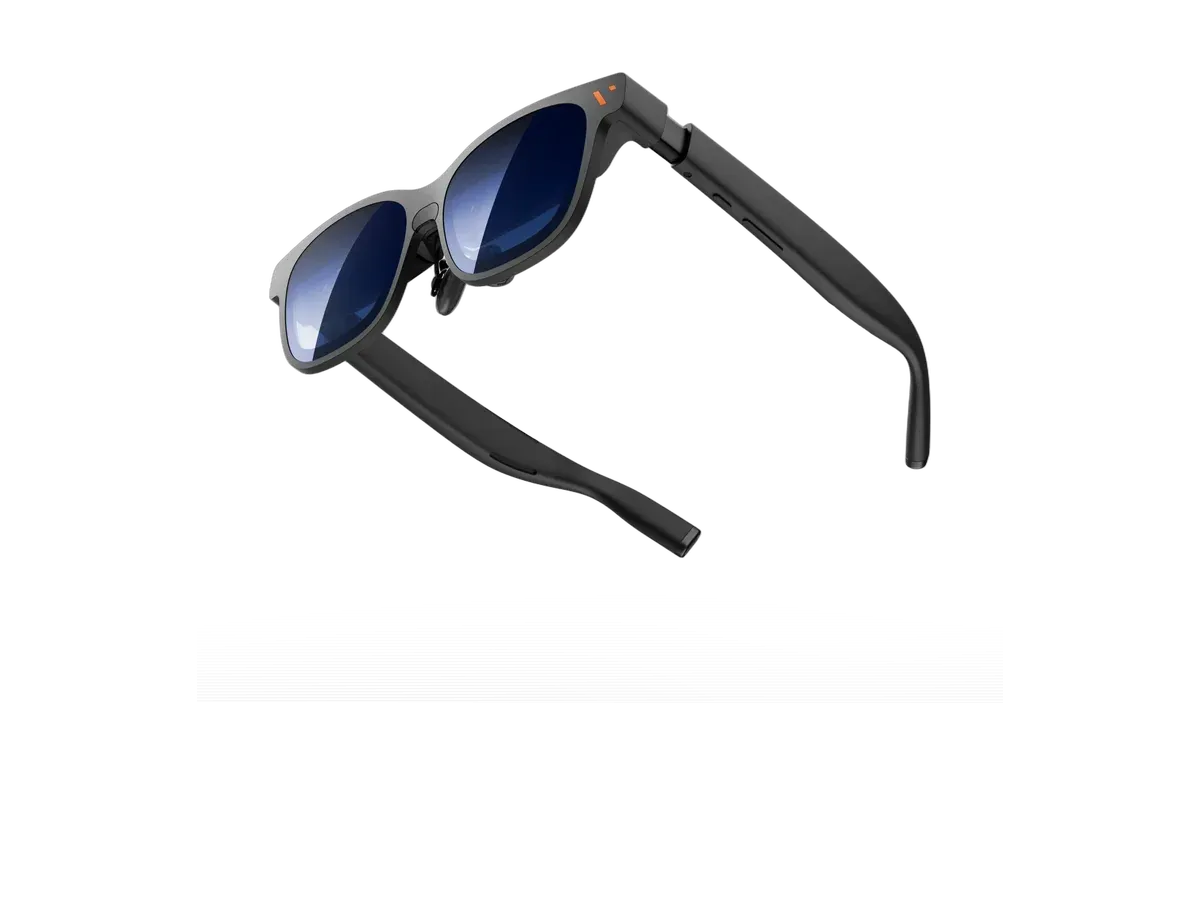
VITURE
Why it ranks here:
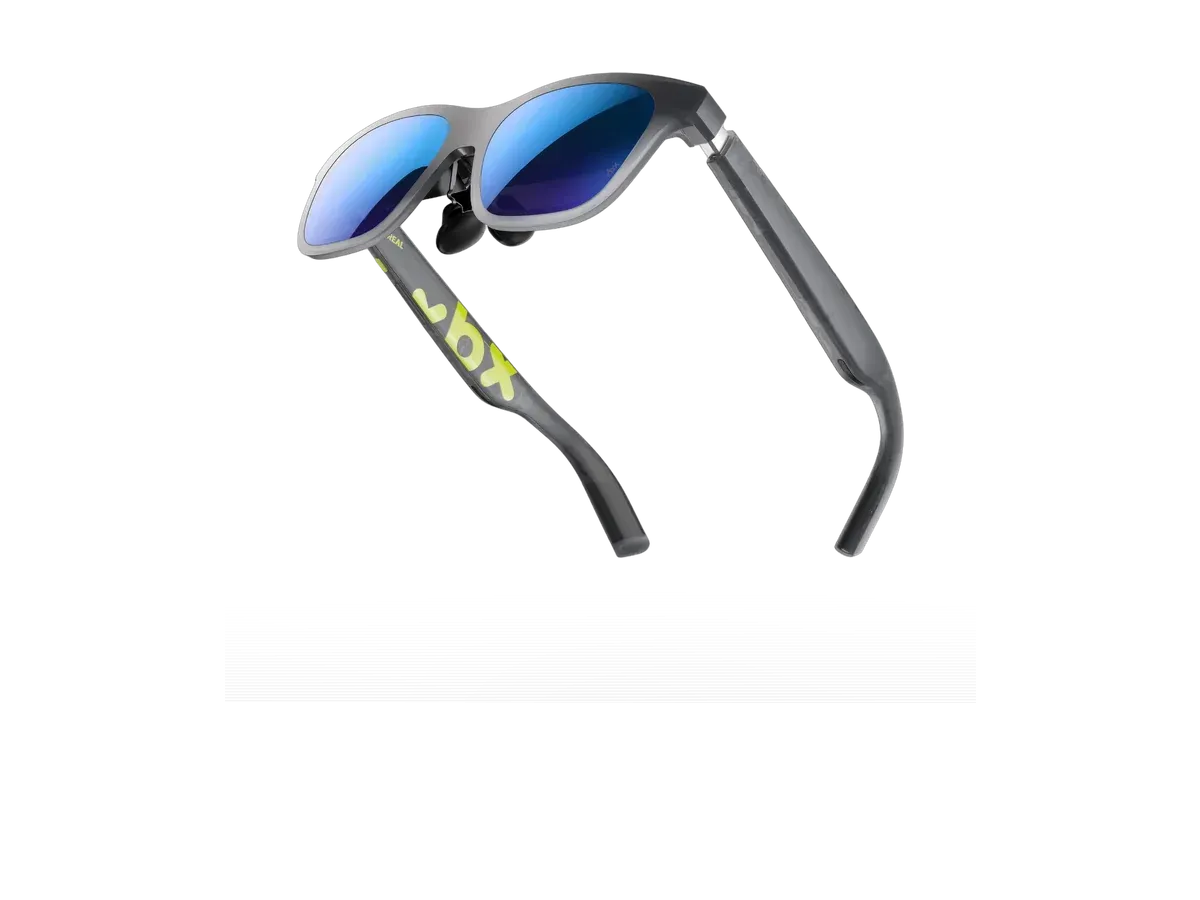
XREAL
Why it ranks here:
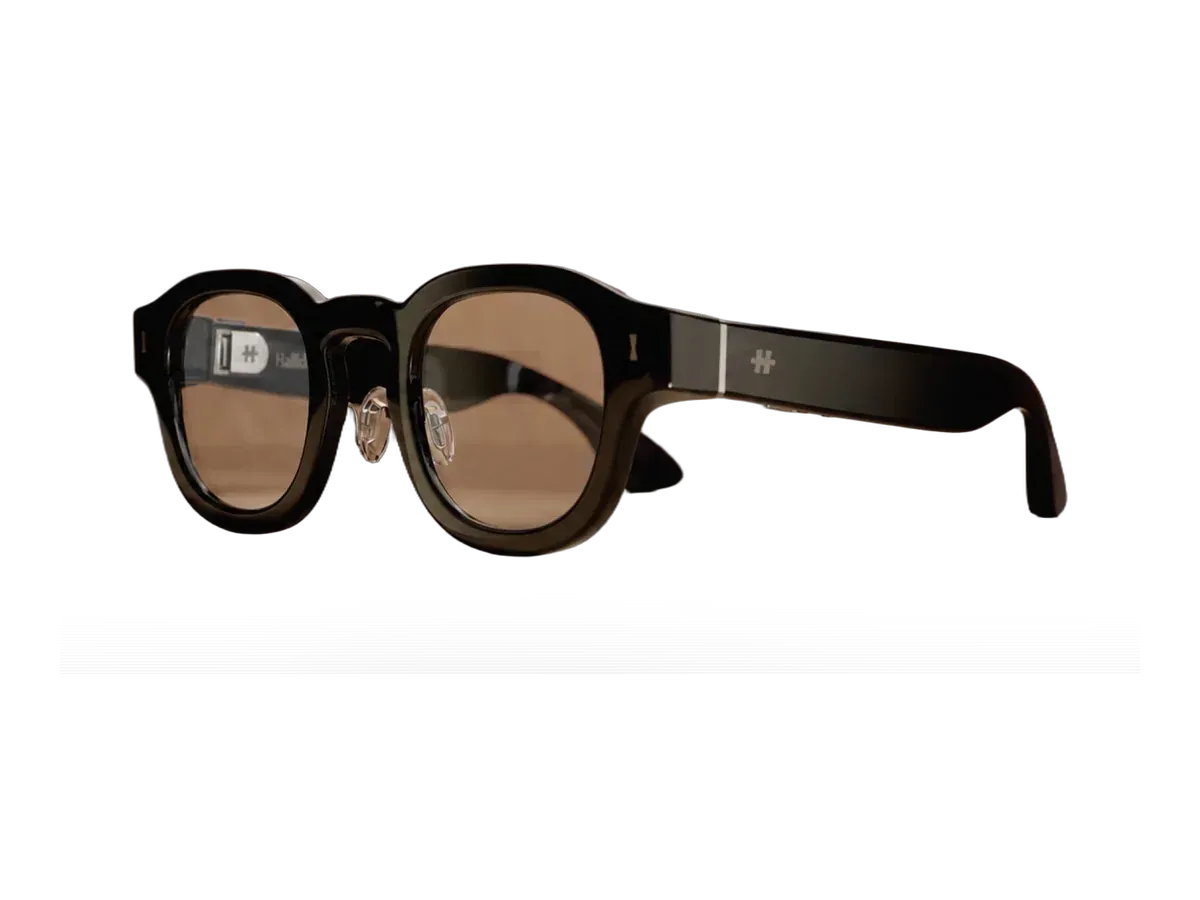
Halliday
Why it ranks here:
Buy the Meta Ray-Ban Display if…
Buy the Meta Ray-Ban Display if you want to spend $500 less ($799 vs $1299), you need the brighter 5000-nit display (vs 3500 nits), you want the lighter 69g fit (vs 76g), and you need longer battery life (6 hours vs 1.5).
Buy the RayNeo X3 Pro if…
Buy the RayNeo X3 Pro if you want the wider 30° field of view (vs 20°).
Indoors, a few hundred nits reaching your eye makes a comfortable picture, and most display glasses add electrochromic or physical shading that darkens the world behind the image to stretch that further. Outdoors is a different sport: daylight overwhelms dim displays, which is why frames built for outdoor reading push into four-figure brightness. Match the number to where you will wear them -- a commuter watching films in a dim cabin needs far less than a cyclist glancing at directions at noon.
Treat them as claims, not lab results. Some makers quote the light that reaches your eye, others quote what the internal panel emits before the optics take their share -- and see-through optics can lose most of the panel's light on the way through. Our records keep the to-eye figure wherever the maker documents one, but no independent source measures every model identically, so a modest gap between two entries is inside the noise. A large gap, by contrast, is real enough to plan around.
Because their job is to stay legible against the sky. Text-first heads-up displays are designed to be read outdoors mid-activity, so their makers engineer for daylight contrast and quote accordingly -- often helped by showing compact, bright glyphs rather than a full-width video image. A cinema-style pair spreading its light across a huge virtual screen is solving the opposite problem: a big, rich picture in controlled light. The two families sit on this one scale, but they earn their numbers differently.
On self-powered frames, yes -- the display is usually the hungriest component, and running it at maximum brightness shortens the day. Many models manage this with automatic or manual brightness steps, spending the peak only when the environment demands it. Tethered display glasses shift the cost instead of escaping it: they draw from the phone or computer feeding them, so their peak brightness taxes the host's battery rather than their own.
Provenance: use case derived from recorded brightness figures across the catalog, ranked brightest first. Rankings are computed from recorded product specs only.