#1
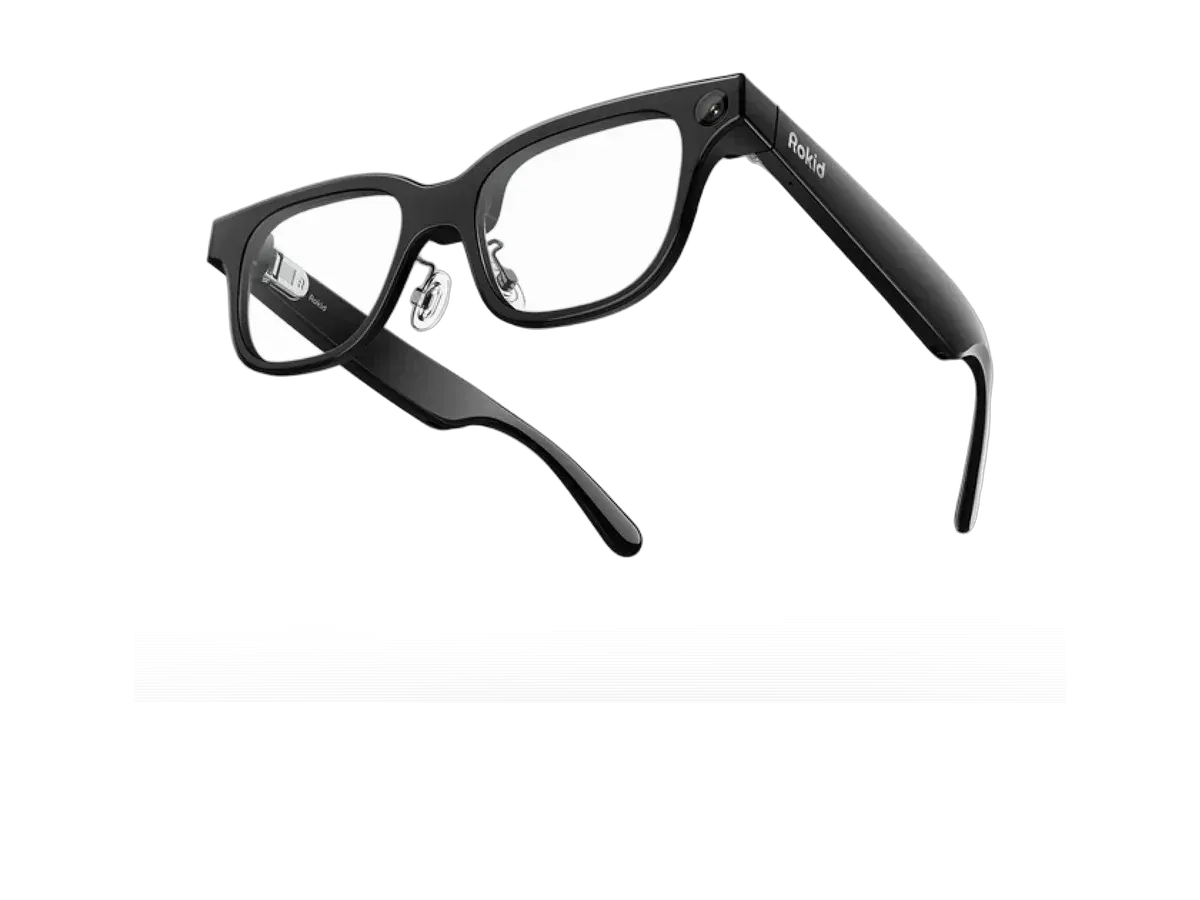
Rokid
Evidence confidence: 7 of 8 scoring inputs documented
Why it ranks here:
- 1500 nits brightness (+14)
- 12MP camera (+15)
- 49g weight (+20)
- 9-hour battery life (+15)
- prescription lens support recorded (+10)
- $699 price (+6)
Best of
Glasses that can take photos and show you things in the lens, ranked on display, camera, comfort and battery.
Our top pick for smart glasses with a camera and display is the Rokid Glasses at $699.
Product data last updated
Updated November 16, 2026. Only a handful of smart glasses have both a camera and a display in the lens, and they cost more than glasses with one or the other. With both, the assistant can look at what you see and show the answer in your view, and you can frame photos, read captions and follow directions without your phone. Every pick here records a built-in camera and a display you wear, ranked on display brightness, camera resolution, weight, battery and prescription support.
This list gives a few extra points to glasses sold new on Amazon, the one store that pays us a commission. The points show under “Sold new on Amazon” in each pick’s score. How we rank
| # | Pick | Price | Best for |
|---|---|---|---|
| 1 | Rokid Glasses (2025 consumer AI+AR glasses) | $699 | Top pick overall |
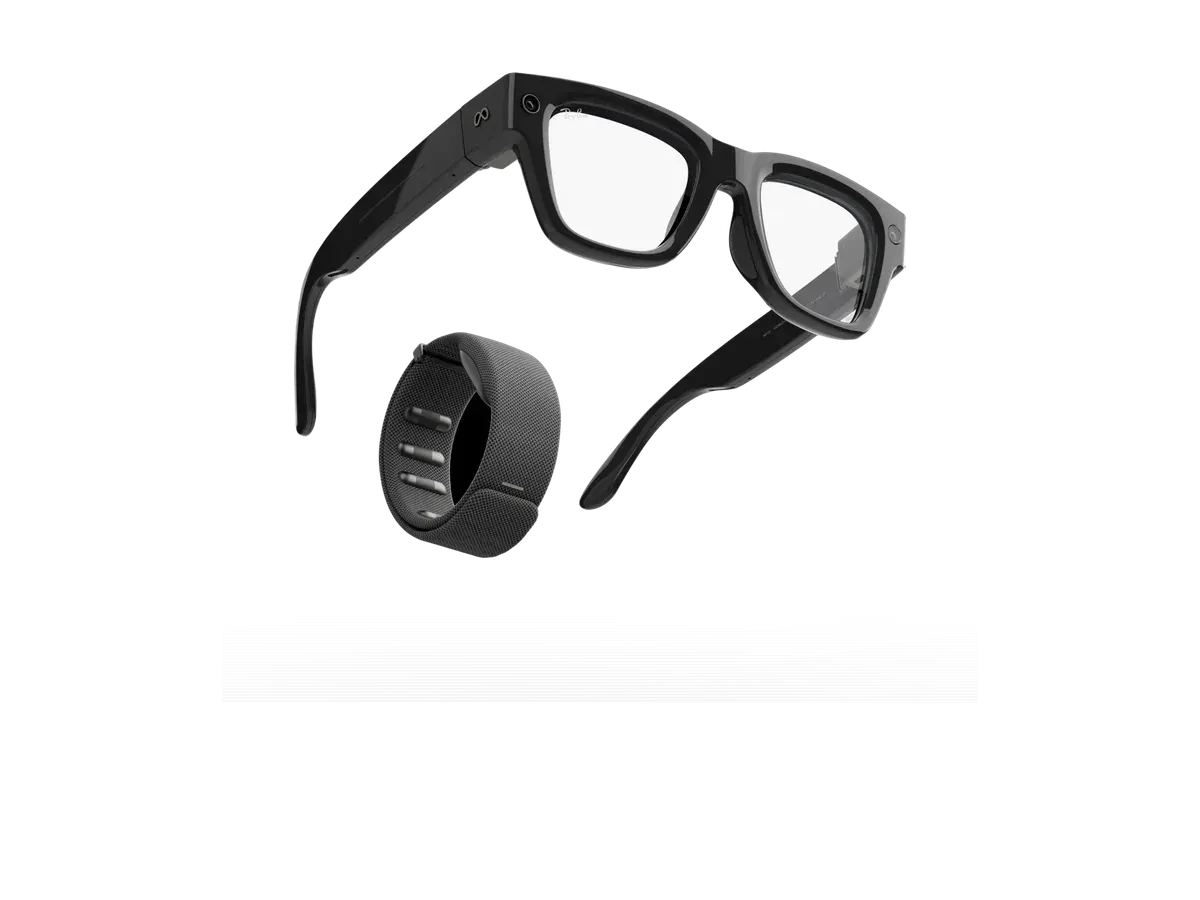
| 2 | Meta Ray-Ban Display | $799 | Brightest display here |
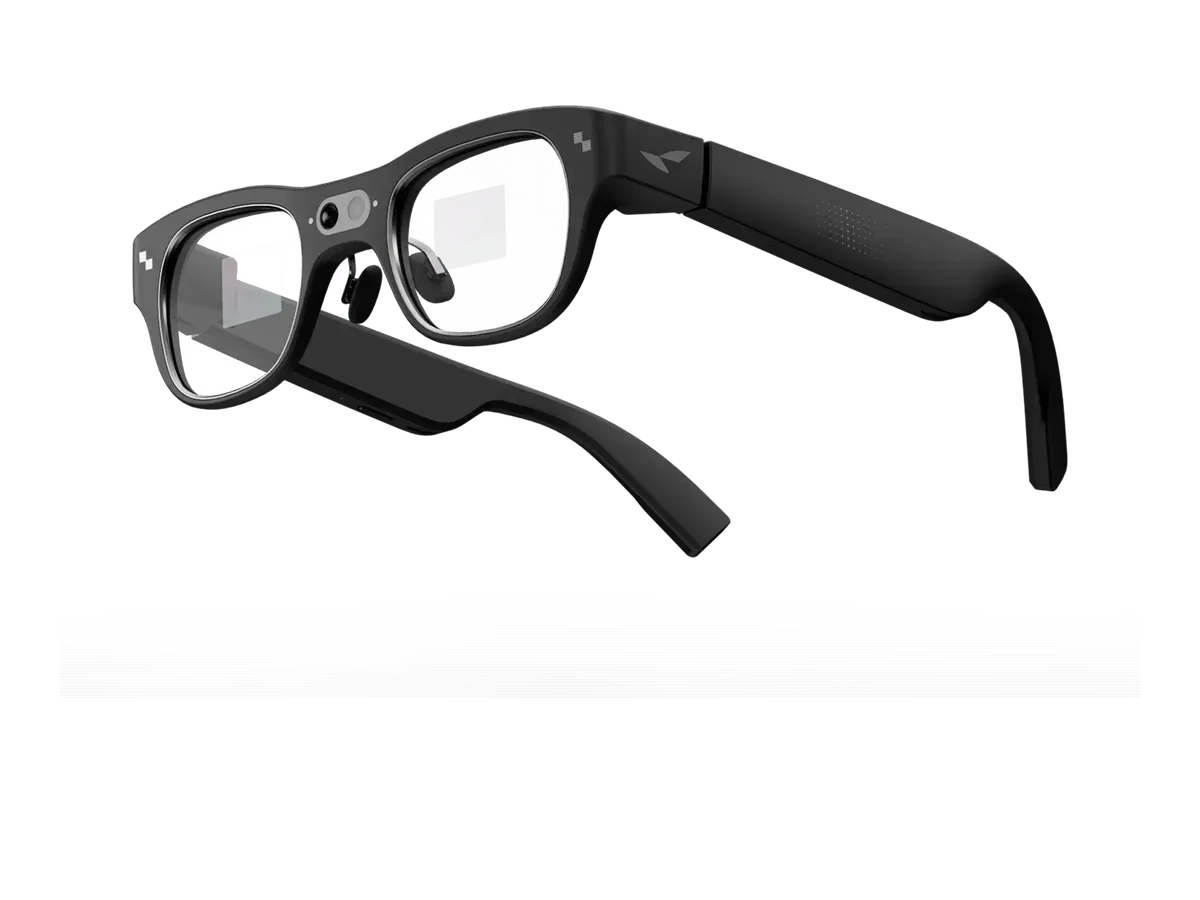
| 3 | RayNeo X3 Pro | $1,299 | — |
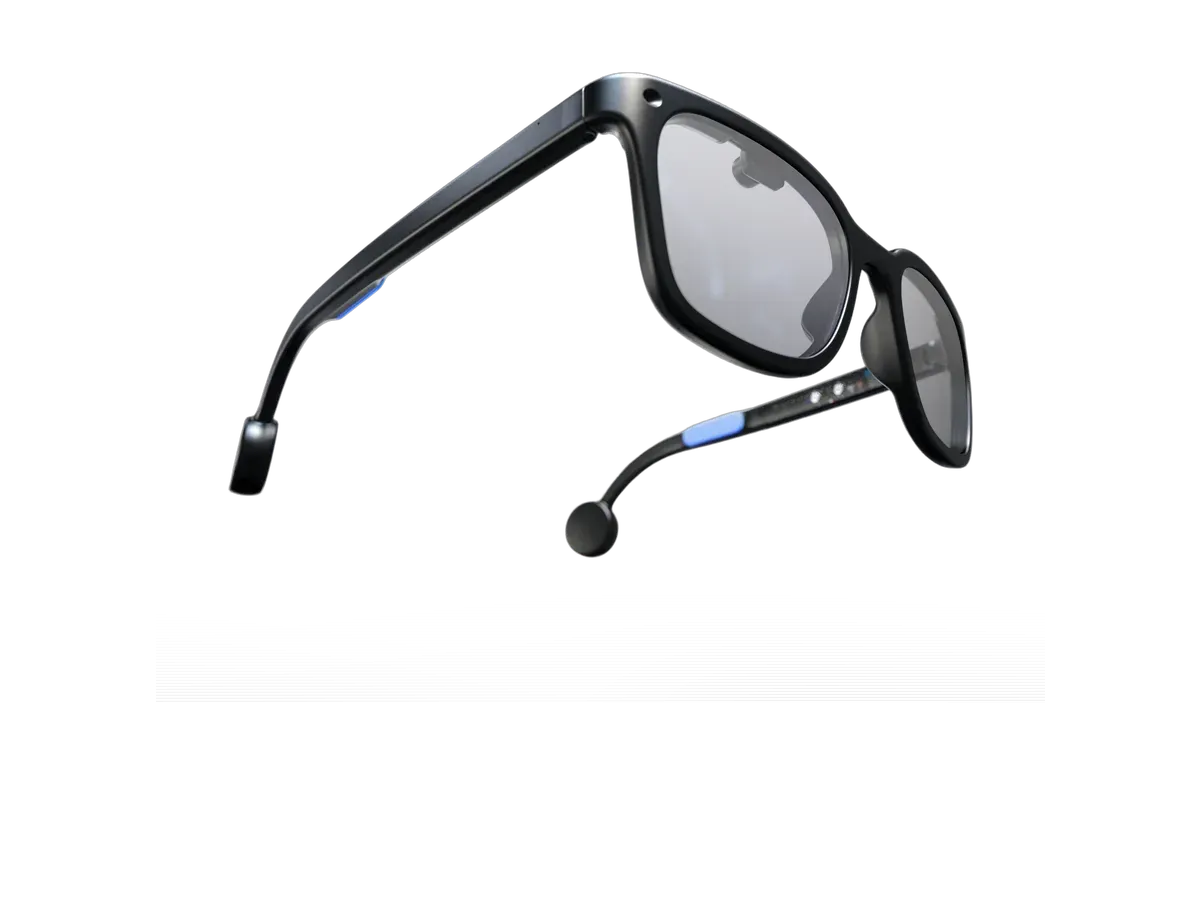
| 4 | Brilliant Labs Halo AI Glasses | $399 | Lowest price here |
| 5 | Vuzix M400 Smart Glasses | $1,499.99 | — |
| 6 | Vuzix LX1 | $2,199.99 | — |
Ranked by Display brightness · Camera resolution · Weight · Battery life · Prescription support · Voice control · Price · Sold new on Amazon. Prices verified at Vuzix for 1 of these picks; the other 4 were last verified between and . Each product page shows its own date. Rokid Glasses (2025 consumer AI+AR glasses) has no verified price date.
Every pick is scored on the same criteria — a spec the maker doesn’t publish scores zero, and the Best for column marks where a pick leads this list. How we rank and check prices
We kept every pair of glasses in our catalog that records both a built-in camera and a display you wear, left out big-screen birdbath glasses and handheld hosts, and dropped anything you cannot buy today. The ranking rewards a bright display most, because it decides whether you can read the lens outdoors. Then it scores camera resolution, weight, battery life, prescription support, voice control and price.
If you mostly want photos and video, camera-only glasses cost less and last longer: see smart glasses with a camera. If you mostly want a screen for notes, captions or translation and would rather not wear a camera, see smart glasses without a camera or the AI glasses with a display ranking.
Every eligible product is scored on the recorded specs below. Missing data scores zero — we never guess a value. Points shown next to each pick add up to its total score. Our full method
Rokid
Evidence confidence: 7 of 8 scoring inputs documented
Why it ranks here:
Meta
Evidence confidence: 8 of 8 scoring inputs documented
Why it ranks here:
RayNeo
Evidence confidence: 8 of 8 scoring inputs documented
Why it ranks here:
Brilliant Labs
Evidence confidence: 5 of 8 scoring inputs documented
Why it ranks here:
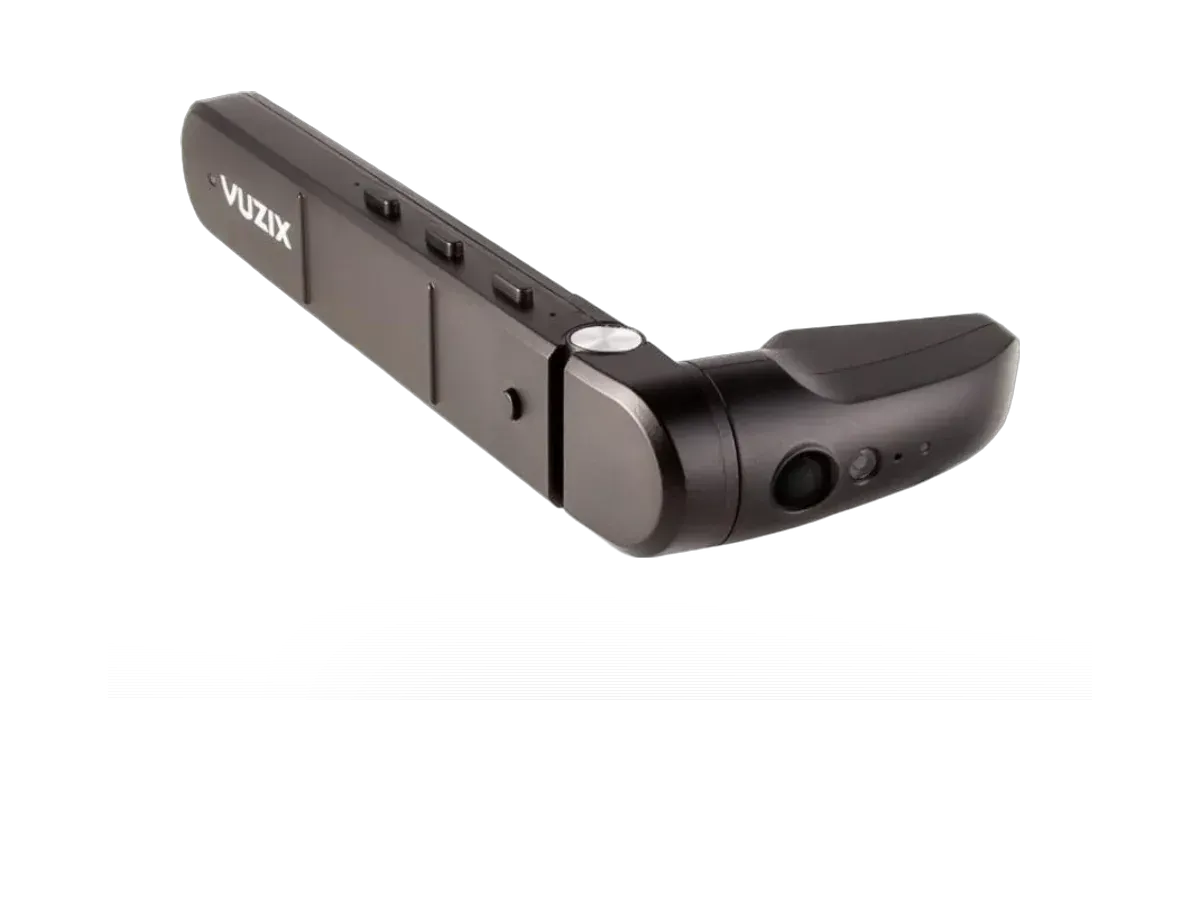
Vuzix
Evidence confidence: 6 of 8 scoring inputs documented
Why it ranks here:
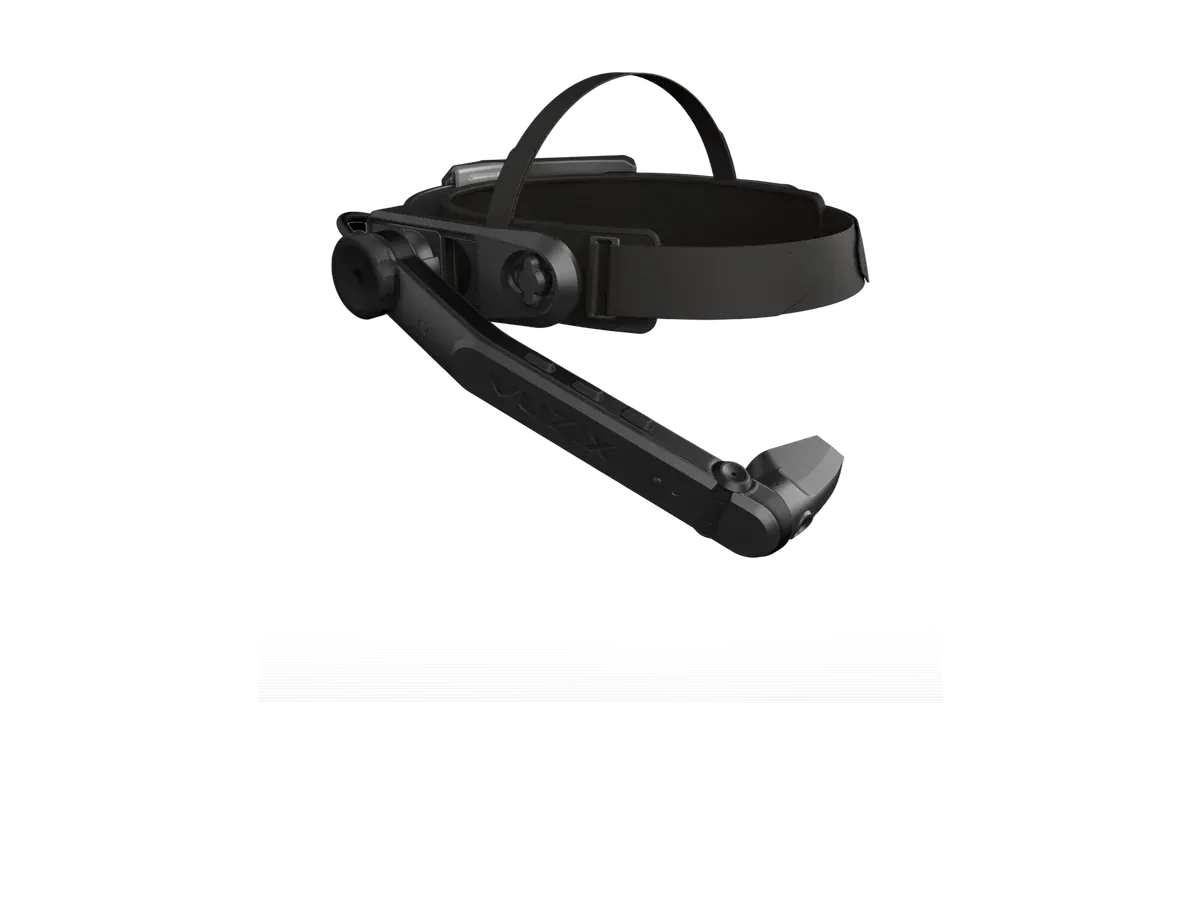
Vuzix
Evidence confidence: 3 of 8 scoring inputs documented
Why it ranks here:
Buy the Meta Ray-Ban Display if…
Buy the Meta Ray-Ban Display if you need the brighter 5000-nit display (vs 1500 nits).
Buy the Rokid Glasses (2025 consumer AI+AR glasses) if…
Buy the Rokid Glasses (2025 consumer AI+AR glasses) if you want to spend $100 less ($699 vs $799), you want the wider 30° field of view (vs 20°), you want the lighter 49g fit (vs 69g), and you need longer battery life (9 hours vs 6).
Yes, but only a few. Most camera glasses have no screen, and most display glasses have no camera. The pairs ranked here have both: a camera for photos, video and the assistant, and a small display in the lens for answers, captions, messages and directions.
You can see a preview of the photo you are about to take, read the assistant's answer about something you are looking at instead of only hearing it, translate a sign and see the translation in your view, and follow directions without taking out your phone.
The display and its optics are the most expensive parts of smart glasses, and adding them to a camera frame also needs a bigger battery and processor. Expect to pay noticeably more than for camera-only glasses, and expect shorter battery life.
Rankings that share the most top picks with this one.
Provenance: use case derived from buyers who want camera capture and an in-lens display in one frame (structured: camera.present, displayType not none, opticsType not birdbath, brightness, camera.resolution, weight, batteryLife, prescriptionSupport). Rankings are computed from recorded product specs only.