#1
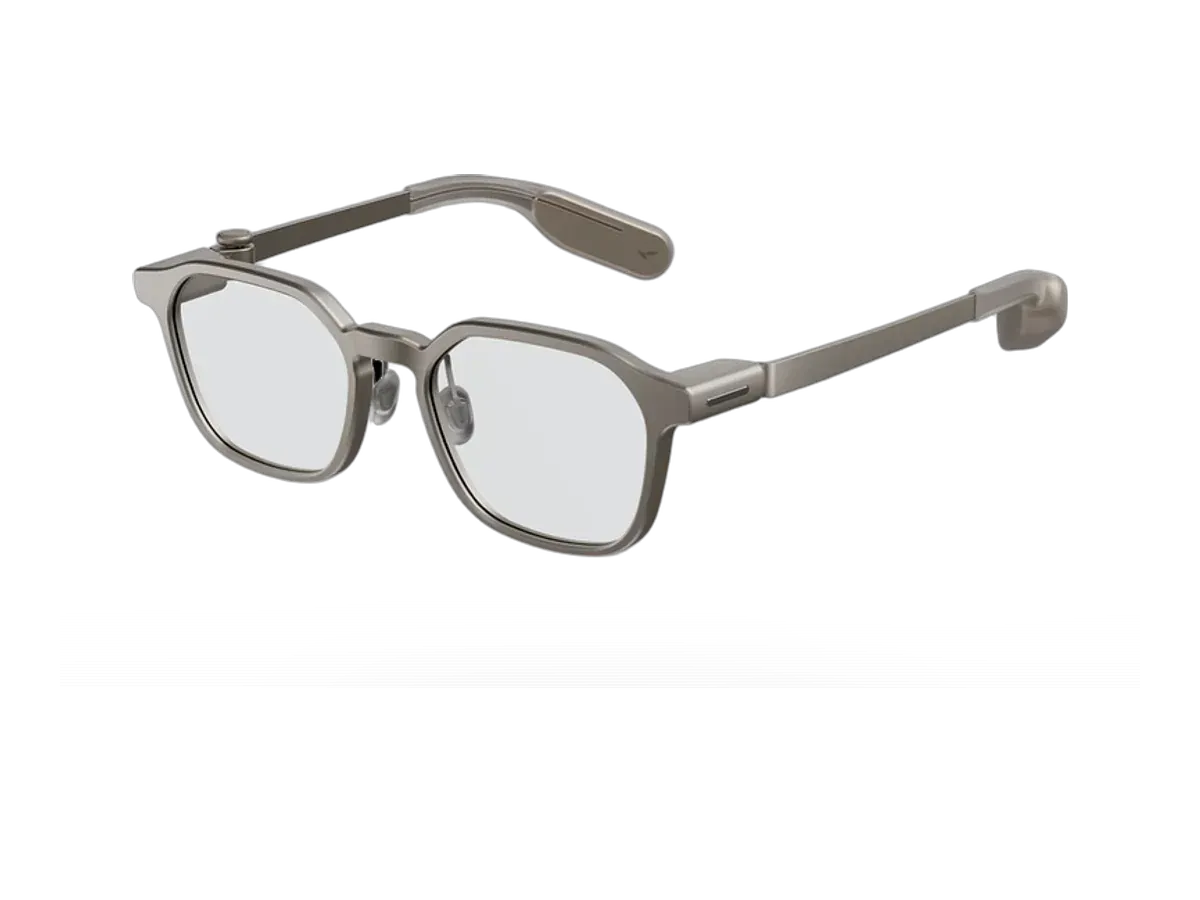
RayNeo
Why it ranks here:
- 48-hour maker-recorded runtime (+48)
- 48-hour endurance class (+20)
- eight hours or more on record (+5)
Best of
Ranked hour by hour from maker-recorded battery life, longest first.
Product data last updated
Battery life is the spec that decides whether smart glasses are a device you wear or a device you manage. Every product here is ranked by its maker-recorded battery life in hours, longest first, and nothing else moves the order. Two honesty notes before you compare: makers mix conventions -- some figures mean continuous use, others a mixed day, and the biggest numbers usually fold in a charging case's extra charges -- and tethered display glasses carry no battery at all, drawing power from the phone or computer that feeds them, so they are absent here by design rather than scored at zero. A couple of entries are companion host pucks rather than eyewear, listed because their makers record runtimes too.
Our top pick for battery life is the RayNeo iO at $449.
Battery numbers in this category come in three dialects, and knowing which one a maker speaks is most of reading this page correctly. The harshest dialect is continuous use — nonstop playback or capture until the cell dies — and it produces the smallest, most honest figures. The friendliest is the mixed day: intermittent listening, glancing, and assistant queries, which can triple the apparent endurance of the same hardware. The largest numbers of all are with-case totals, which fold an included charging case’s spare charges into one headline figure — real capability, but capability that requires taking the glasses off to bank it. The ranking above records each figure the way its maker states it, which is why the honest move on a close call is opening both product records and checking the convention, not squinting harder at this list.
Absences here are deliberate. Big-screen tethered display glasses carry no battery at all — they draw through the same USB-C cable that carries their video — so ranking them at zero hours would be false and they are left off instead. Their real endurance question is what they do to the host’s battery, which is covered in our monitor-replacement ranking where those models compete on their actual merits. A few entries that do appear are companion host pucks rather than eyewear, present because their makers record genuine runtimes; they power glasses rather than sit on your face.
What actually empties a battery is workload, in a reliable order: continuous video capture first, bright displays second, always-listening assistants third, and plain audio or glanceable text a distant last. That order explains the shape of the whole table — audio-first and text-first frames post the longest figures, camera glasses the shortest — and it means your own result depends on which of those things you actually do. Estimate your heaviest hour, not your average one. If all-day wear is the real goal, endurance travels with comfort: the lightest smart glasses ranking covers the grams side of the same promise, the everyday-wear ranking weighs battery alongside the other daily-driver specs, and comparing any two models puts their recorded hours next to every spec that pays for them.
Every eligible product is scored on the recorded specs below. Missing data scores zero — we never guess a value. Points shown next to each pick add up to its total score.
RayNeo
Why it ranks here:
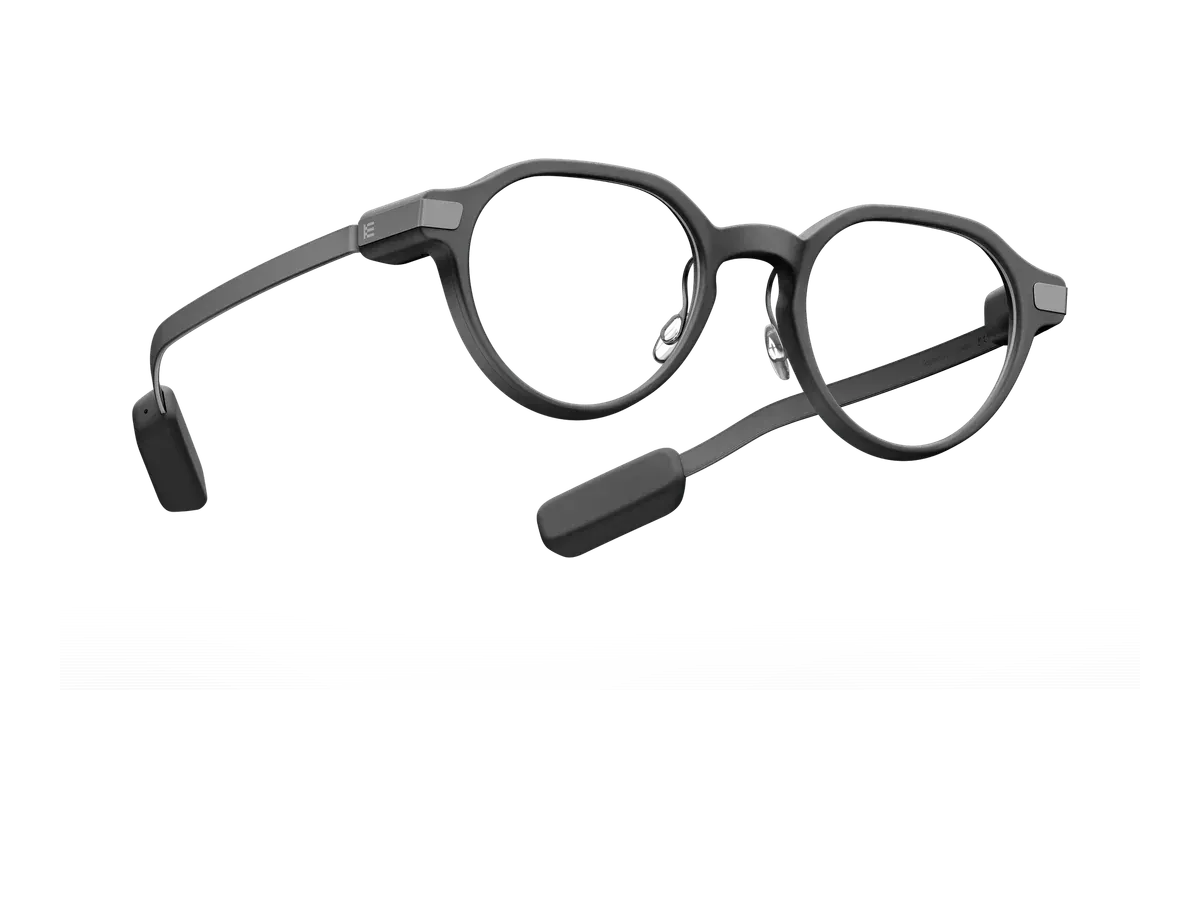
Even Realities
Why it ranks here:
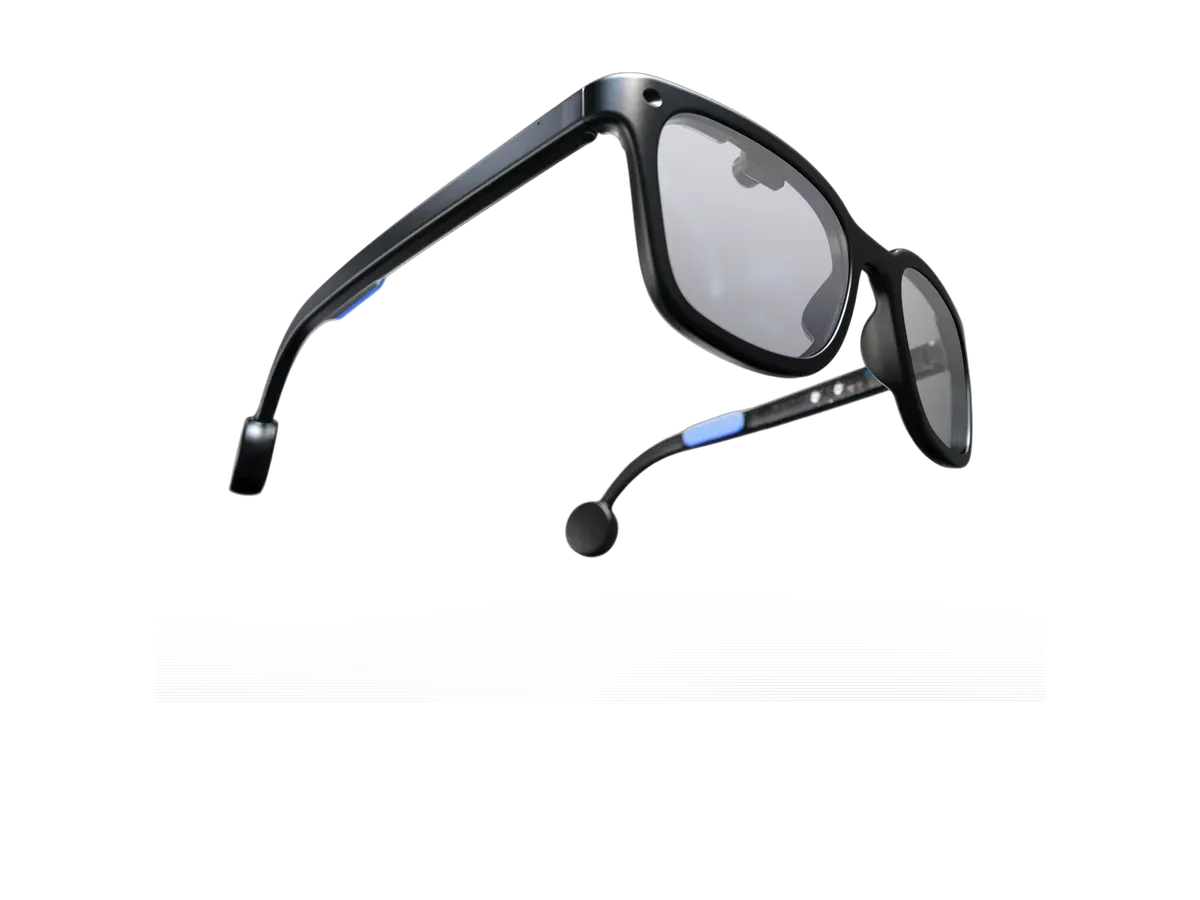
Brilliant Labs
Why it ranks here:
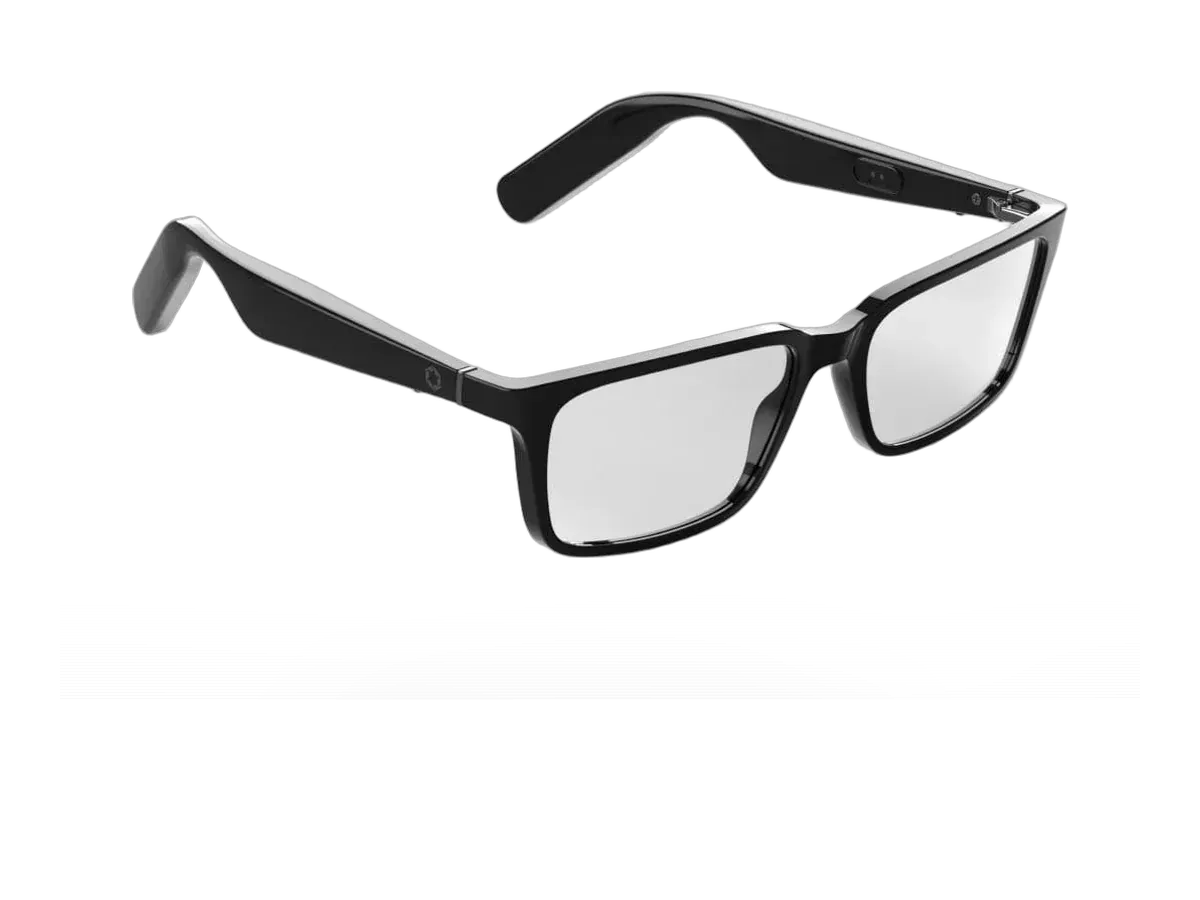
Lucyd
Why it ranks here:
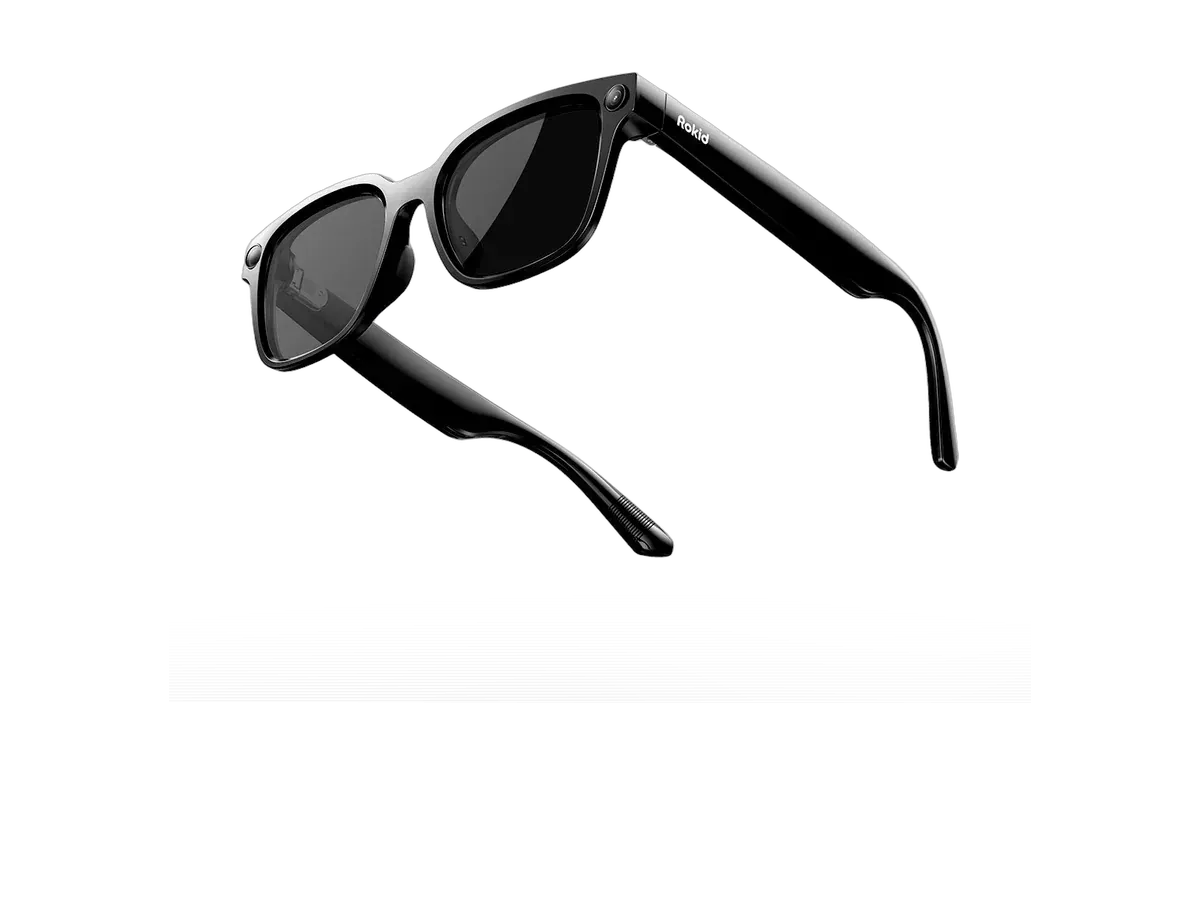
Rokid
Why it ranks here:
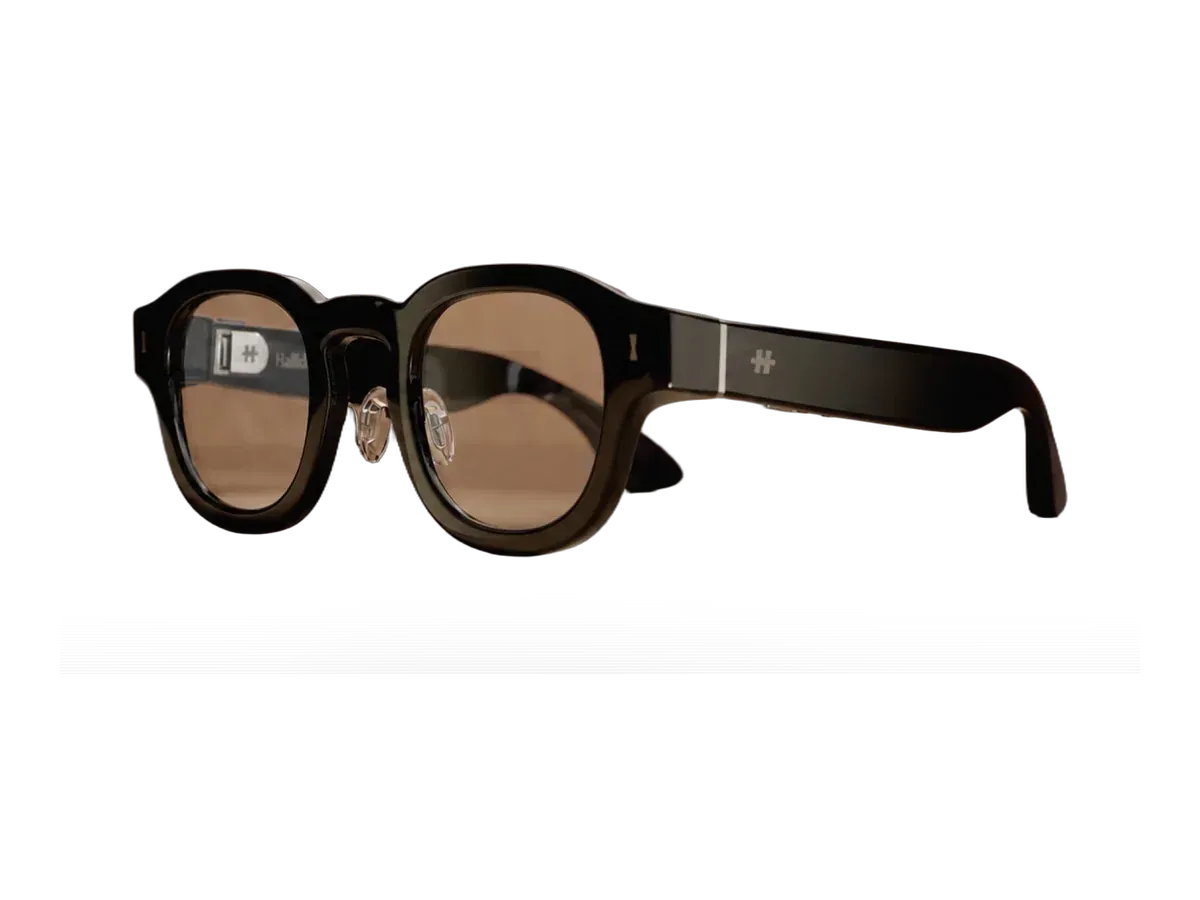
Halliday
Why it ranks here:
Buy the Even Realities G2 if…
Buy the Even Realities G2 if you want the wider 27.5° field of view (vs 23.5°) and you want adjustable lens dimming.
Buy the RayNeo iO if…
Buy the RayNeo iO if you want to spend $150 less ($449 vs $599) and you need the brighter 1300-nit display (vs 1200 nits).
Because they genuinely have no battery to rank. Tethered display glasses draw their power through the same USB-C cable that carries the video, so the runtime question belongs to the phone, laptop, or console on the other end -- and plugging a pair into a phone will drain that phone noticeably faster. Rather than score those models at zero hours, which would be false, this page lists only products whose maker records a battery figure of their own.
Not always, and the difference is worth reading for. Some makers quote continuous playback or capture, which is the harshest and most honest test; others quote a day of mixed, intermittent use, which produces much larger numbers from the same cell; and the biggest figures on this page are totals that include recharges from an included charging case. All are recorded as the maker states them. When two entries sit close together, check each product's record for which convention its maker used.
The camera first, then the display, then always-listening assistants. Continuous video capture is the single hungriest thing you can ask of camera glasses and can cut a day of standby to well under an hour of recording. Bright displays are next, especially at outdoor brightness. Audio playback and glanceable text are comparatively cheap, which is why audio-first and text-first frames post the longest mixed-use figures. Your real-world result tracks which of these you actually do, far more than the headline number.
It varies by design, and makers do not always say. Frames that charge in a case are off your face while they top up by definition -- the case is the battery strategy, trading continuous wear for quick refills between sessions. Some host pucks and adapters explicitly support running while plugged in, which their records note. If uninterrupted all-day use matters to you, look for either a with-case total that covers your day in stretches or a record that documents pass-through use while charging.
Provenance: use case derived from maker-recorded battery life across the catalog, ranked longest first. Rankings are computed from recorded product specs only.