Skip to content

Best of

Best Waveguide AR Glasses

Glasses that put the picture inside a clear lens, ranked on brightness, weight, battery and prescription support.

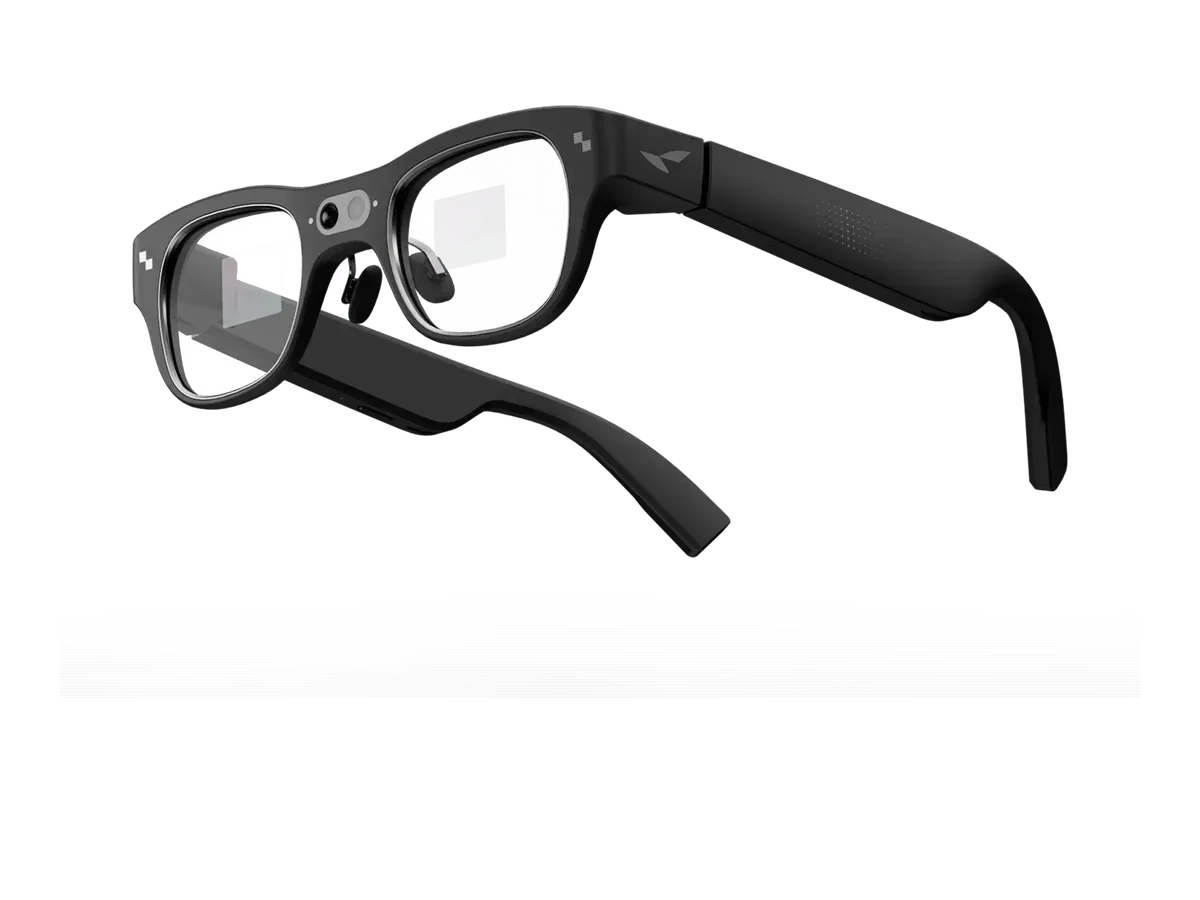
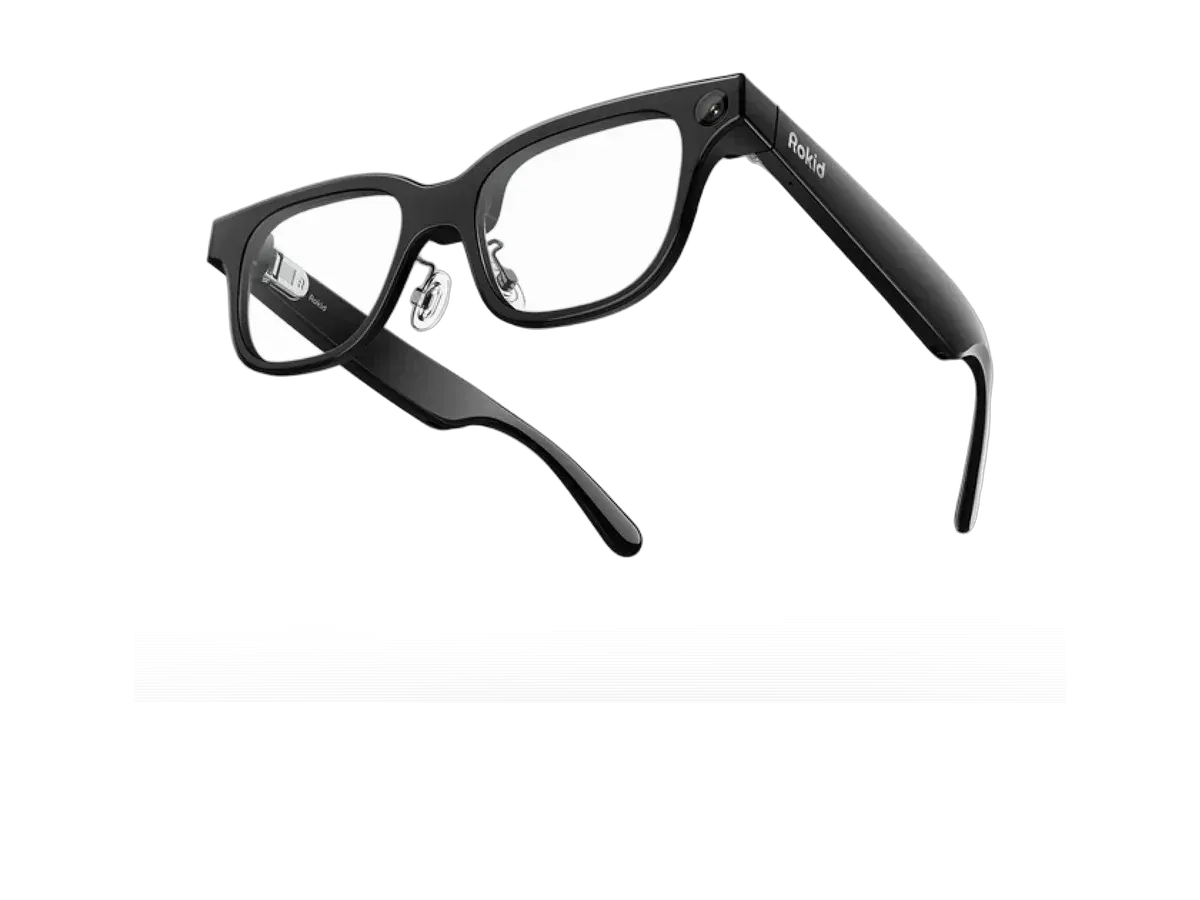
Our top pick for waveguide glasses is the Rokid Glasses at $699.

Rokid Glasses (2025 consumer AI+AR glasses)

Our top pick

Rokid Glasses (2025 consumer AI+AR glasses) · $699

Buy at B&H See full ranking ↓

Product data last updated

Updated November 16, 2026. Waveguide glasses use a thin, clear lens that carries light from a tiny projector in the frame to your eye, so the display floats over the real world and the glasses look close to ordinary glasses. Every pair here records waveguide optics. We rank them on display brightness, a display in both eyes, weight, battery life, camera and prescription support. If you want a large movie screen instead, birdbath display glasses are the better fit.

# Pick Price Best for
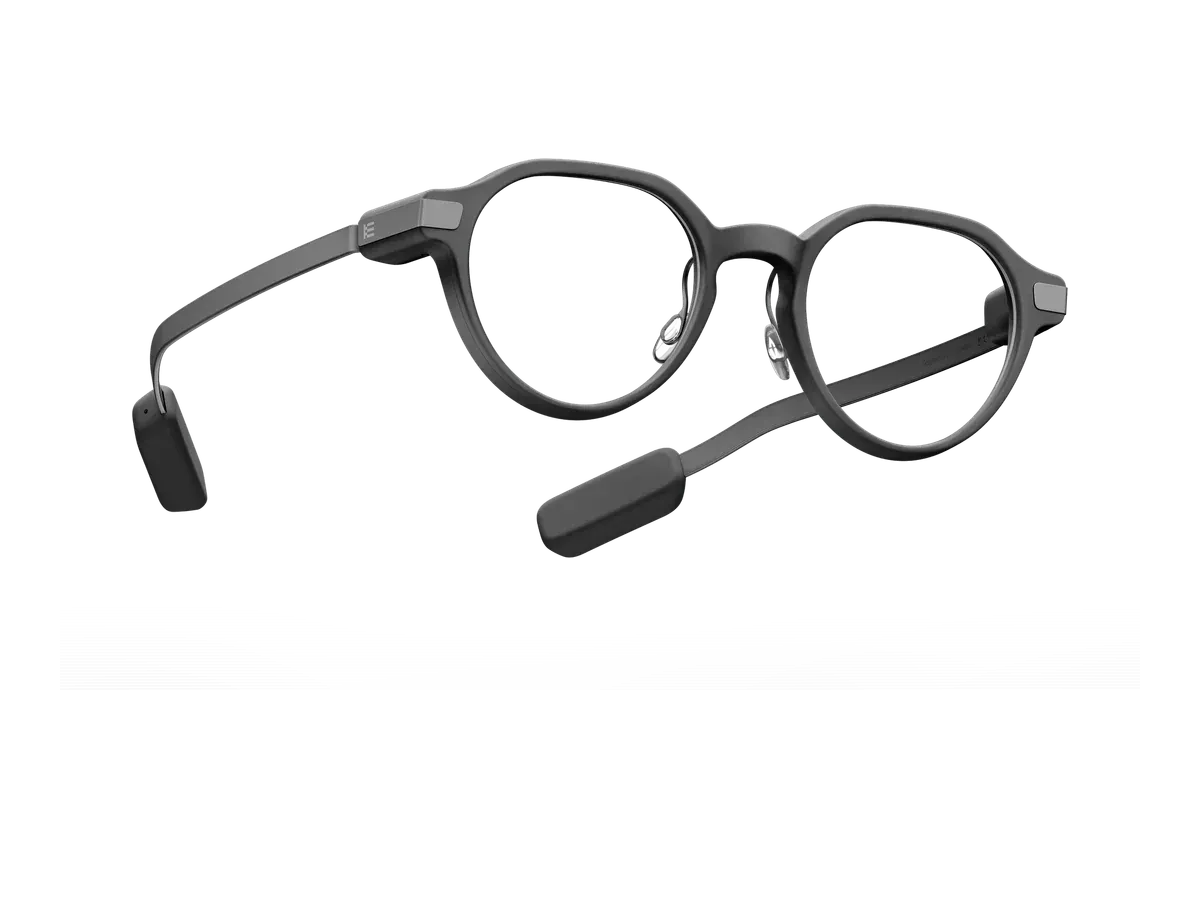
1 Rokid Glasses (2025 consumer AI+AR glasses) $699 Top pick overall
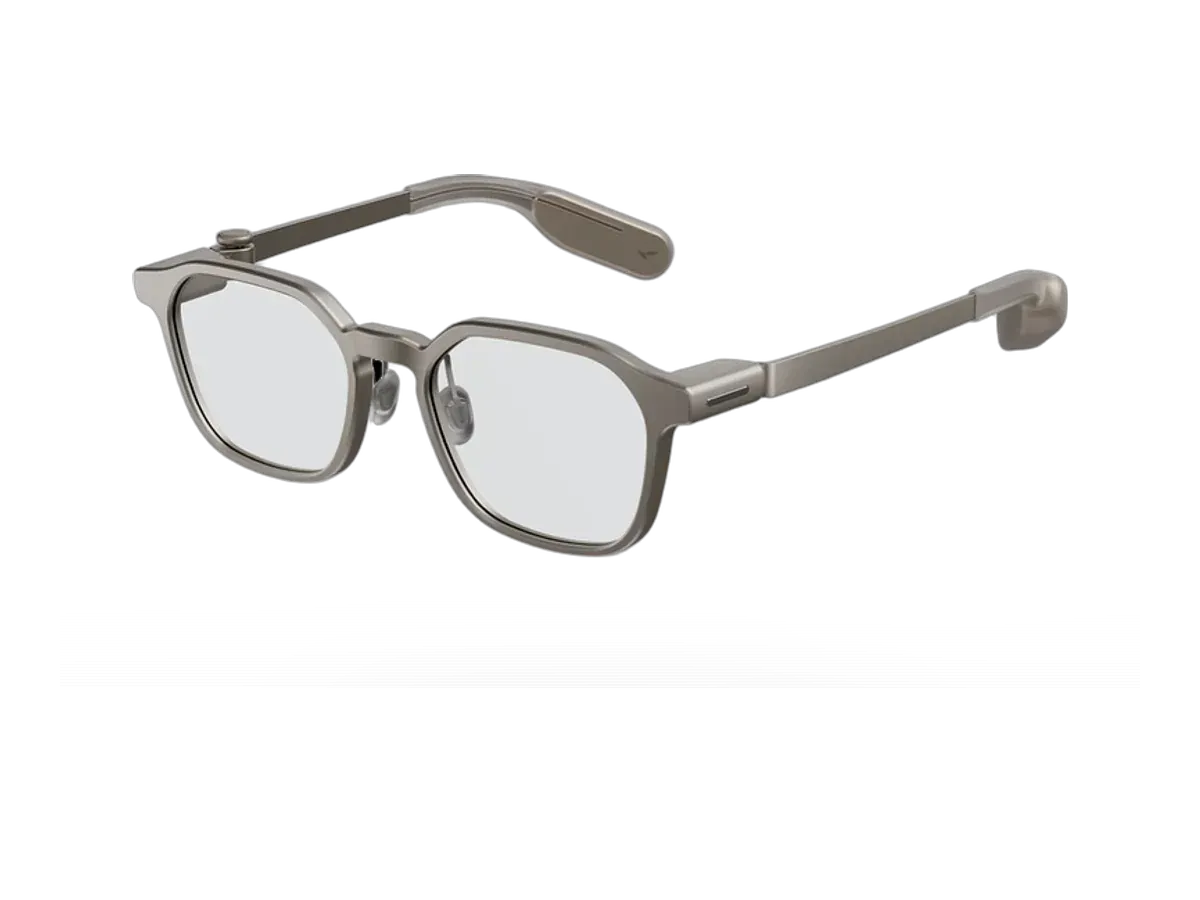
2 Even Realities G2 $599 Longest battery life here
3 RayNeo iO $499 Lowest price here
4 RayNeo X3 Pro $1,299 —
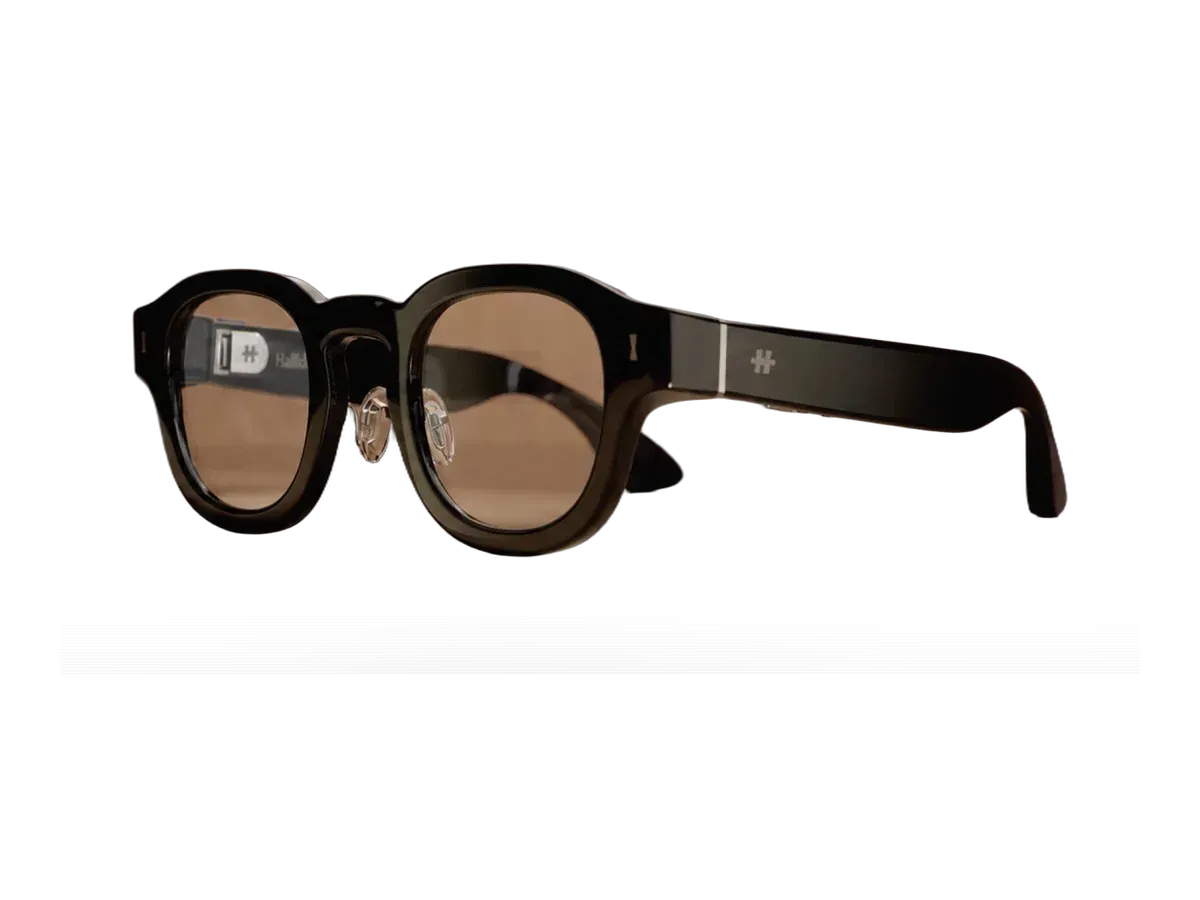
5 Halliday G2 $599 —
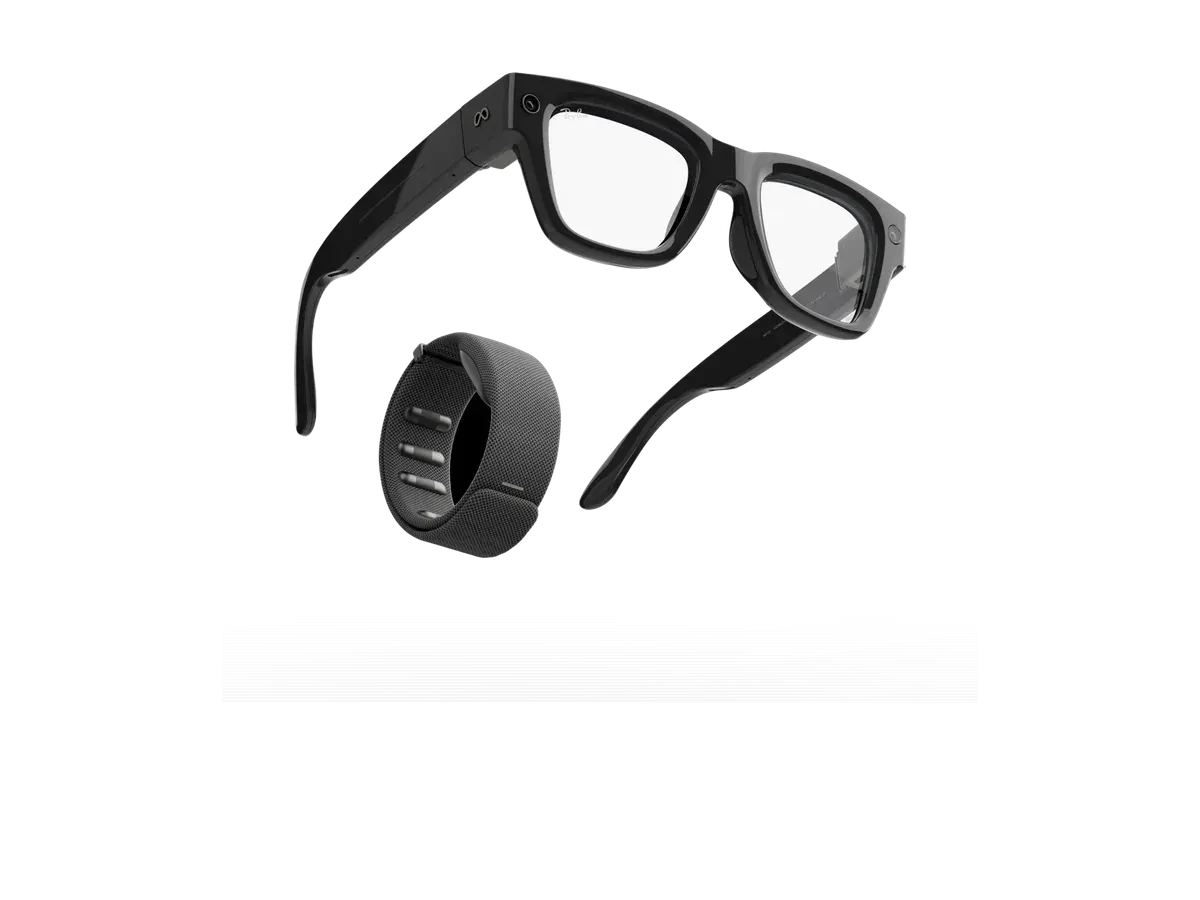
6 Meta Ray-Ban Display $799 Brightest display here

Ranked by Brightness · Display in both eyes · Weight · Battery life · Camera · Prescription support · Price. Prices verified at Even Realities, RayNeo Store and RayNeo, except Meta Ray-Ban Display (last verified at Meta Store). Rokid Glasses (2025 consumer AI+AR glasses) and Halliday G2 have no verified price date.

Every pick is scored on the same criteria — a spec the maker doesn’t publish scores zero, and the Best for column marks where a pick leads this list. How we rank and check prices

How we picked

Every pair on this page records waveguide optics in our catalog and can be bought today. The ranking rewards display brightness most, because a waveguide loses much of its projector’s light before it reaches your eye. It also rewards a display in both eyes, a light frame, long battery life, a camera, prescription support and a lower price.

Waveguide or birdbath?

Most display glasses sold for movies and gaming use birdbath optics: a curved mirror and a tinted lens that make a big, bright, rich picture but look like chunky sunglasses. Waveguides do the opposite. The lens stays thin and clear, the glasses look close to normal eyewear, and you can wear them all day, but the picture is smaller and better for text than for films. Our birdbath vs waveguide guide explains the difference in detail.

Who waveguide glasses are for

  • All-day wear: notes, notifications, captions, translation and directions while you keep looking at the world.
  • Presenting and speaking: many waveguide glasses run a teleprompter, ranked separately in our teleprompter glasses ranking.
  • Full AR: a few waveguide glasses add a color display, cameras and tracking so graphics can sit on real surfaces. They cost the most and have the shortest battery life.

If you mostly want a large screen for video, the smart glasses with a display ranking and the HUD glasses ranking cover the rest of the market.

How we rank: 7 scored criteria

Every eligible product is scored on the recorded specs below. Missing data scores zero — we never guess a value. Points shown next to each pick add up to its total score. Our full method

  • Brightnessup to 20 pts
  • Display in both eyesup to 15 pts
  • Weightup to 20 pts
  • Battery lifeup to 15 pts
  • Cameraup to 10 pts
  • Prescription supportup to 10 pts
  • Priceup to 10 pts

Rokid Glasses (2025 consumer AI+AR glasses) or Even Realities G2?

Buy the Even Realities G2 if…

Buy the Even Realities G2 if you want to spend $100 less ($599 vs $699), you want the lighter 36g fit (vs 49g), and you need longer battery life (48 hours vs 9).

Buy the Rokid Glasses (2025 consumer AI+AR glasses) if…

Buy the Rokid Glasses (2025 consumer AI+AR glasses) if you need the brighter 1500-nit display (vs 1200 nits) and you want a built-in camera.

Also considered

Show all 2 considered models

Smart glasses FAQ

What are waveguide glasses?

Waveguide glasses have a thin, flat lens with a pattern inside it that guides light from a small projector in the frame across the lens and into your eye. You see the display floating over the world while the lens stays clear, which is why waveguide glasses can look close to normal eyewear.

Waveguide or birdbath: which is better?

They suit different jobs. Waveguides are thin, clear and light, which is right for all-day text, captions, translation and directions, but their displays are smaller and dimmer to the eye. Birdbath optics are thicker and tinted but show a bigger, richer picture, which is why most glasses for movies and gaming use them.

Can you see a waveguide display in daylight?

Usually, yes, but brightness matters. Waveguides lose much of the projector's light on the way to your eye, so makers publish high brightness figures, and the brighter pairs in this ranking stay readable outdoors. Tinted or clip-on shades also help in direct sun.

Do waveguide glasses work with prescription lenses?

Most do, either with prescription lenses made into the frame or with inserts behind the waveguide. Ranges differ by maker, and some limit strong prescriptions, so check the prescription line on each pick before you order.

More guides on these picks

Keep researching

Provenance: use case derived from buyers who want see-through, everyday-looking display glasses (structured: opticsType waveguide, brightness, displayType binocular or dual, weight, batteryLife, camera, prescriptionSupport). Rankings are computed from recorded product specs only.