Skip to content

Best of

Best AR Glasses for Developers

Ranked for 6DoF tracking, sensors, and platform openness.

Product data last updated

Building for AR needs hardware the consumer specs ignore: 6DoF positional tracking, cameras for computer vision, a sensor suite worth hacking on, and a platform that lets you ship. The ranking below scores every available device on exactly those recorded capabilities.

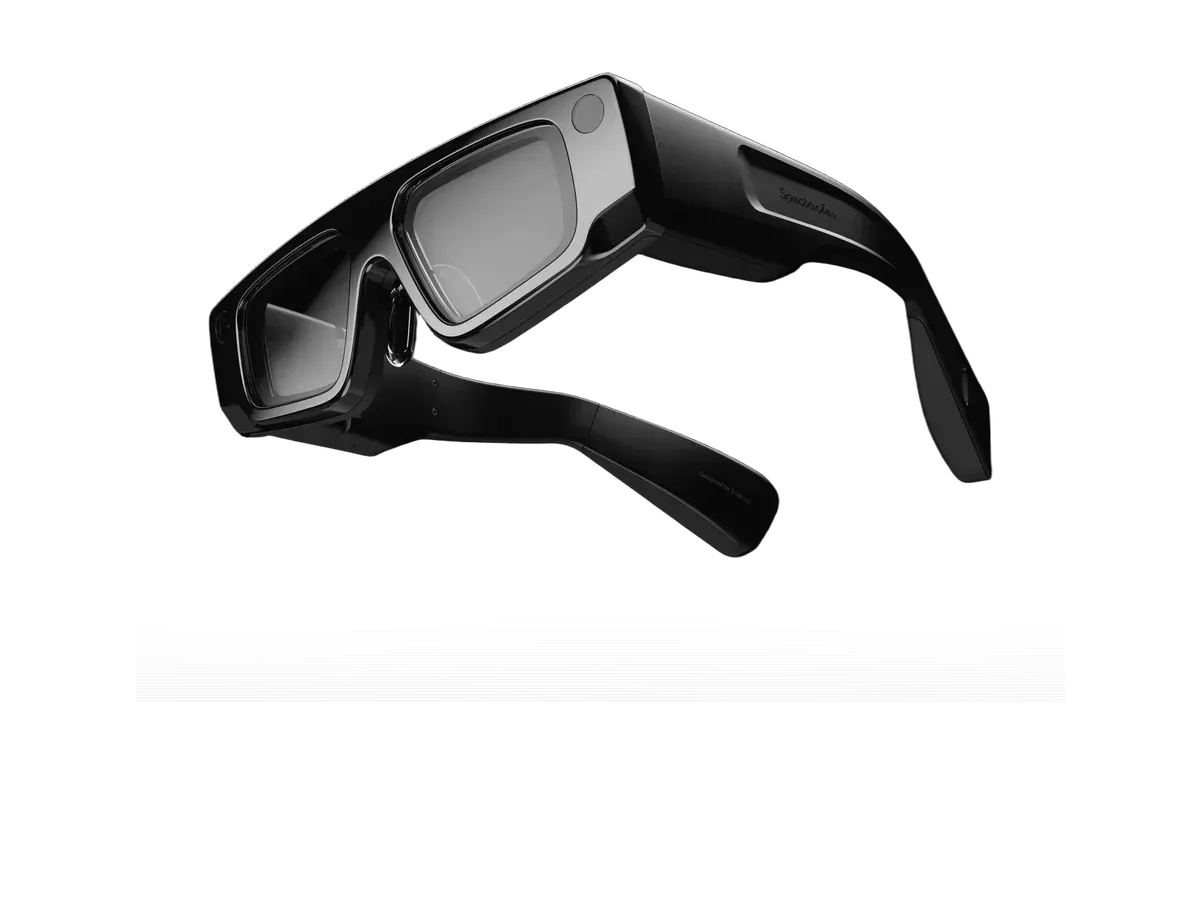
Our top pick for Developers is the Snap Spectacles Gen 5 at $99/mo.

How we rank: 8 scored criteria

Every eligible product is scored on the recorded specs below. Missing data scores zero — we never guess a value. Points shown next to each pick add up to its total score.

  • 6DoF trackingup to 25 pts
  • Open platformup to 20 pts
  • Cameraup to 15 pts
  • Tracking suiteup to 10 pts
  • Gesture controlup to 10 pts
  • Documented OSup to 10 pts
  • Microphonesup to 5 pts
  • Connectivity optionsup to 5 pts

Snap Spectacles Gen 5 or TCL RayNeo X2?

Buy the Snap Spectacles Gen 5 if…

Buy the Snap Spectacles Gen 5 if you want the wider 46° field of view (vs 25°), you want spatial audio, and you're an iPhone user.

Buy the TCL RayNeo X2 if…

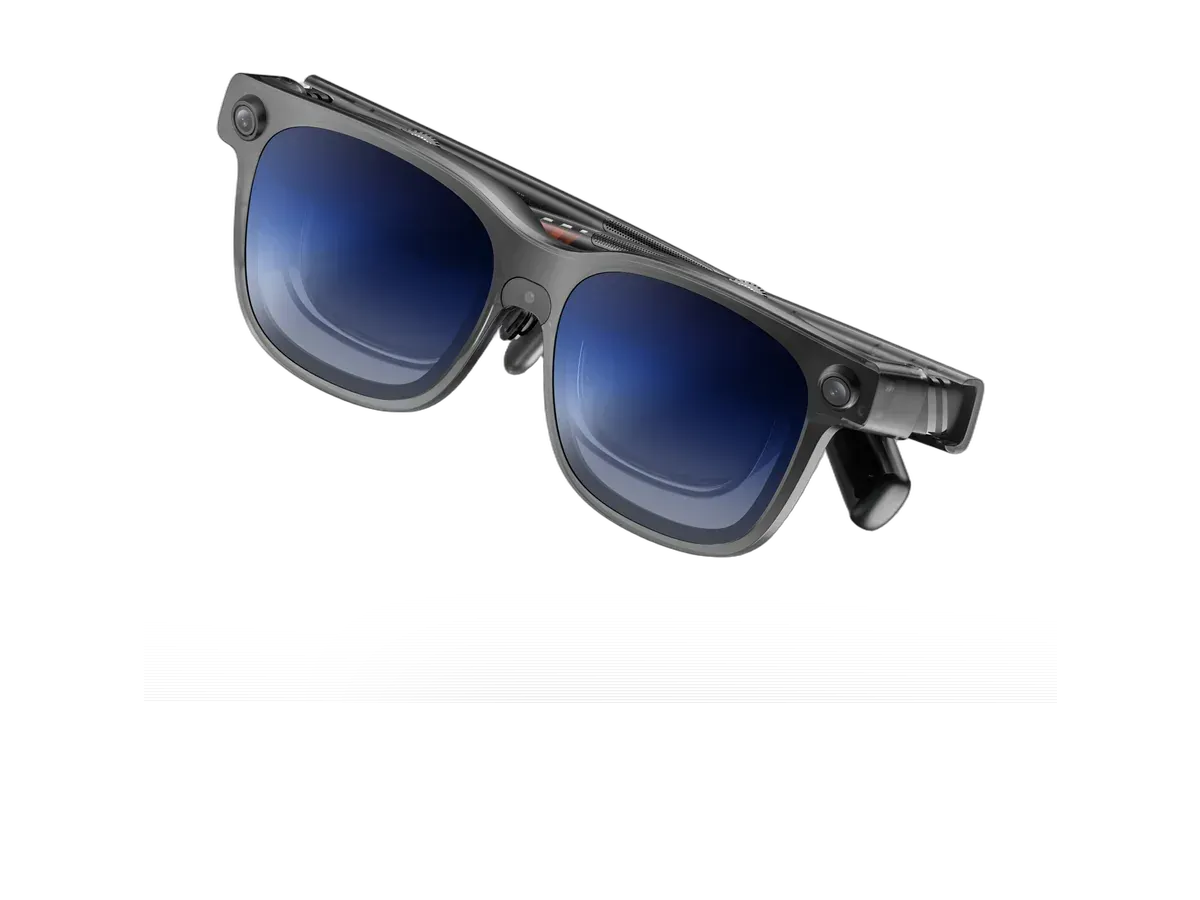
Buy the TCL RayNeo X2 if you want the lighter 119g fit (vs 226g) and you need longer battery life (2 hours vs 0.75).

Also considered

Show all 6 considered models

Smart glasses FAQ

What is 6DoF tracking, and why do developers need it?

Six degrees of freedom means the glasses track both rotation and position, so digital objects stay anchored in the room as you walk around them. 3DoF tracks rotation only -- fine for a floating screen, useless for spatial apps. The ranking's highest-weighted criterion is a recorded 6DoF field, because it is the line between building screen apps and building AR.

Which smart glasses have an open platform for development?

The ranking flags every model whose record declares an open-source platform, and scores platform openness separately from raw hardware. Open hardware and firmware let you inspect the pipeline, modify the AI stack, and keep data local; closed platforms trade that control for polished consumer SDKs. Each pick's score breakdown shows which side it falls on.

Do AR glasses come with an SDK and a documented OS?

The models ranked here score points for a documented OS or platform in their record, because an undocumented stack means reverse-engineering before you write a line of code. Check each pick's score breakdown: the documented-OS criterion shows exactly what the record says the device runs.

What sensors matter for building spatial apps?

Cameras for computer vision, a tracking suite (the ranking rewards records listing three or more tracking systems), gesture recognition, and multiple microphones for voice input. The more of the sensor suite a record documents, the more of your app can run on the glasses instead of being faked on a phone.

Keep researching

Provenance: use case derived from our developer and maker buyer profile (SDK access, tracking, openness). Rankings are computed from recorded product specs only.