Skip to content

Best of

Best AI glasses with a display

Assistant-first glasses whose lenses actually show you things, ranked on recorded display, battery and weight.

Our top pick for AI glasses with a display is the Even Realities G2 at $599.

Even Realities G2

Our top pick

Even Realities G2 · $599

Buy at Even Realities See full ranking ↓

Product data last updated

Every pair ranked here is an AI-assistant device first — microphones, voice control, an assistant you talk to — that also records a real lens display: captions, prompts, navigation and translations floating in your view. That is a different product from the tethered display glasses that mirror a laptop or console screen; those are ranked on the device-class page, and the two lists deliberately do not mix. The scoring rewards what decides daily assistant use: the recorded field of view and brightness of the lens display, battery through a working day, the weight on your nose, and recorded translation and voice support.

Looking for a different list? See smart glasses with display.

# Pick Price Best for
1 Even Realities G2 $599 Top pick overall
2 RayNeo iO $499 Lowest price here
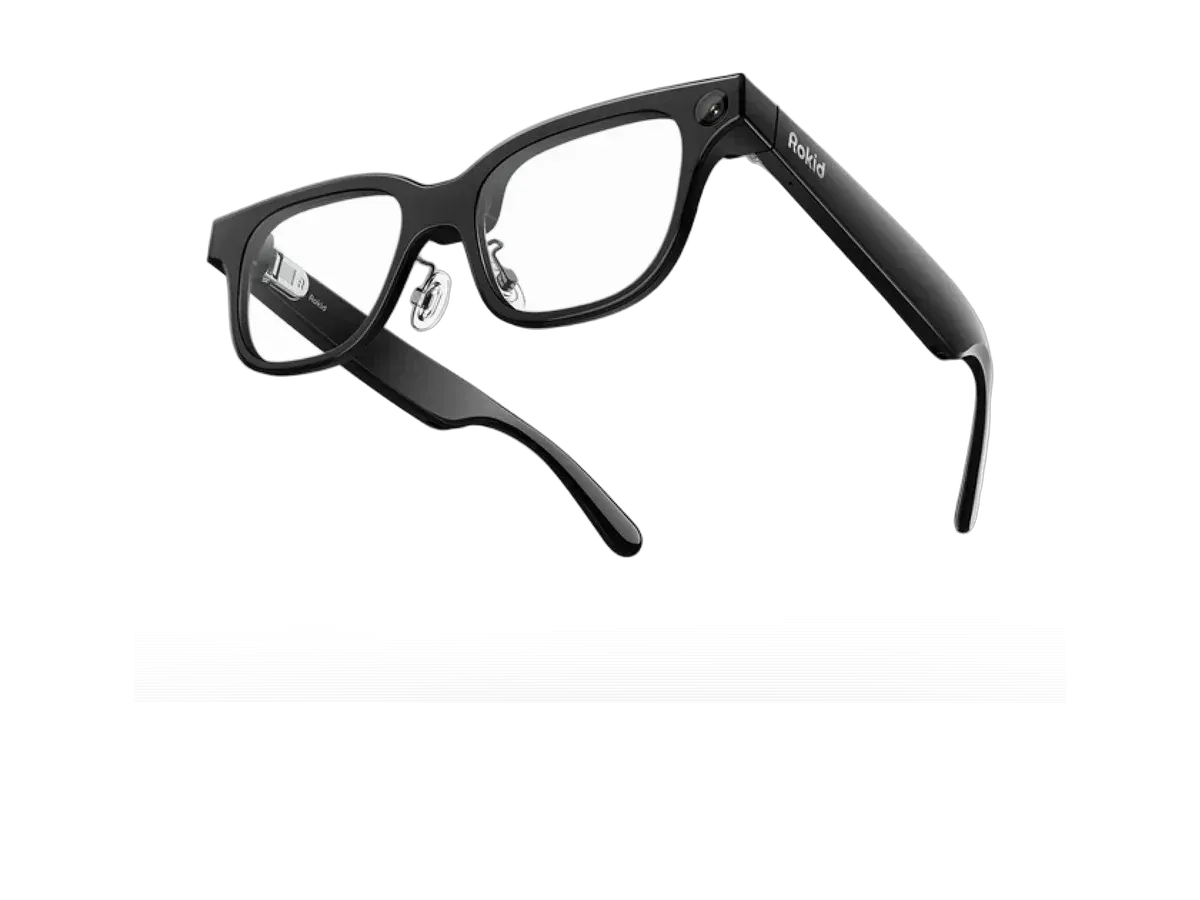
3 Rokid Glasses (2025 consumer AI+AR glasses) $699 Widest view here
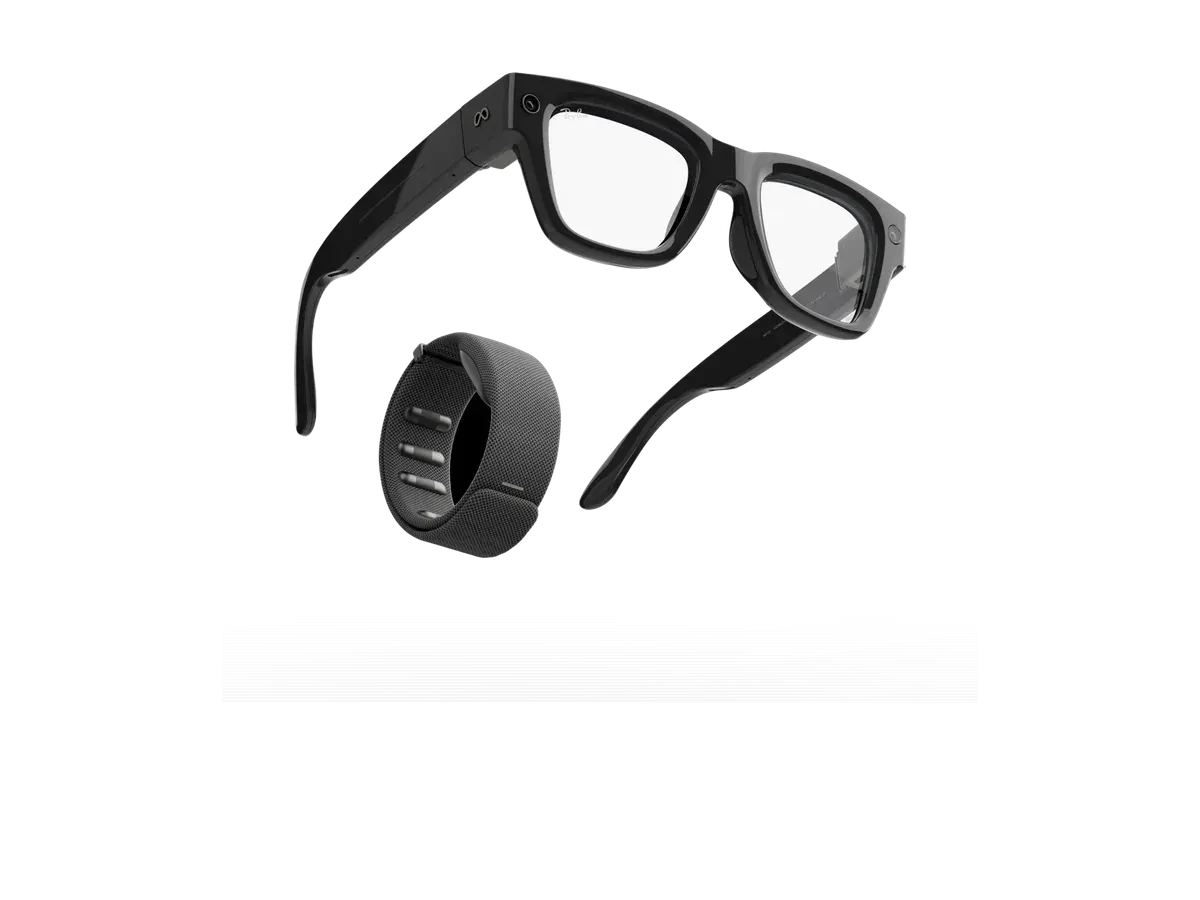
4 Meta Ray-Ban Display $799 Brightest display here
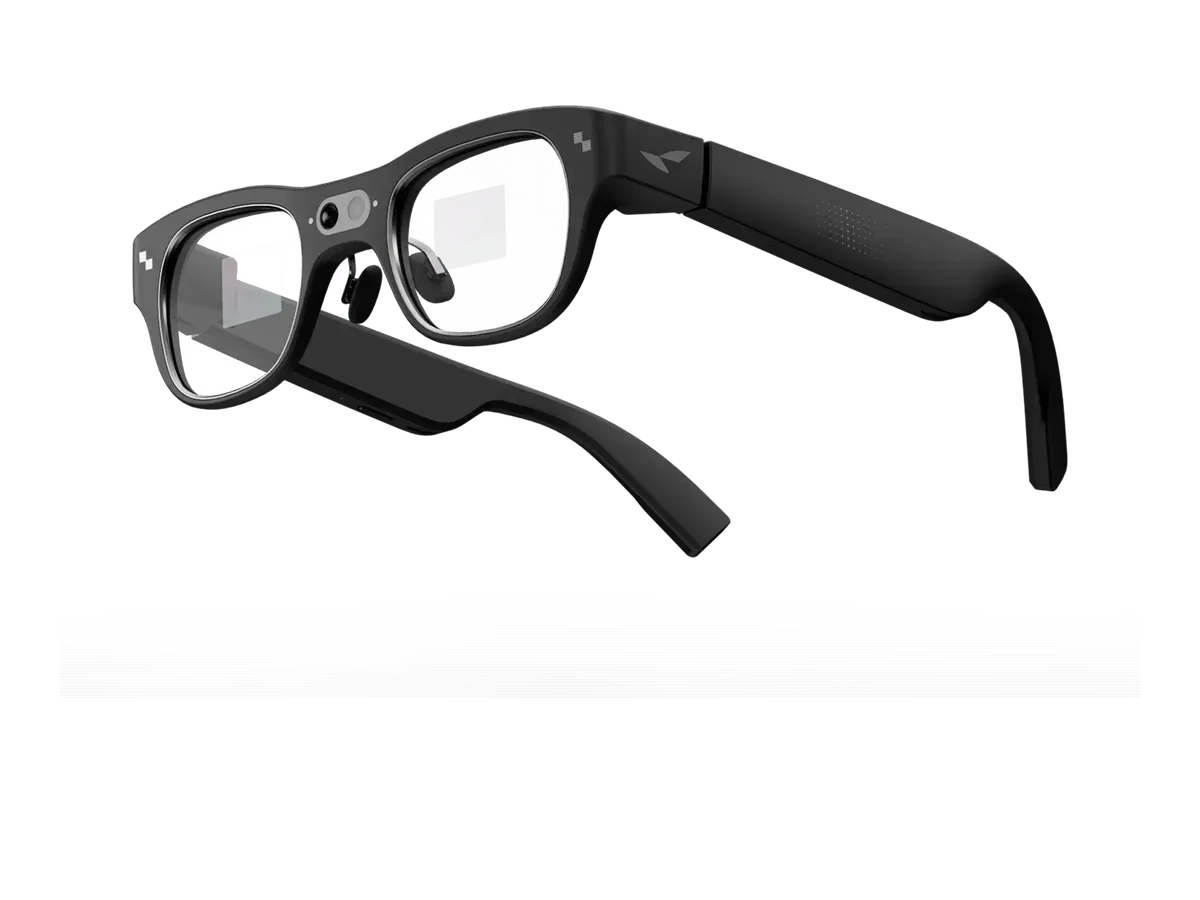
5 RayNeo X3 Pro $1,299 —
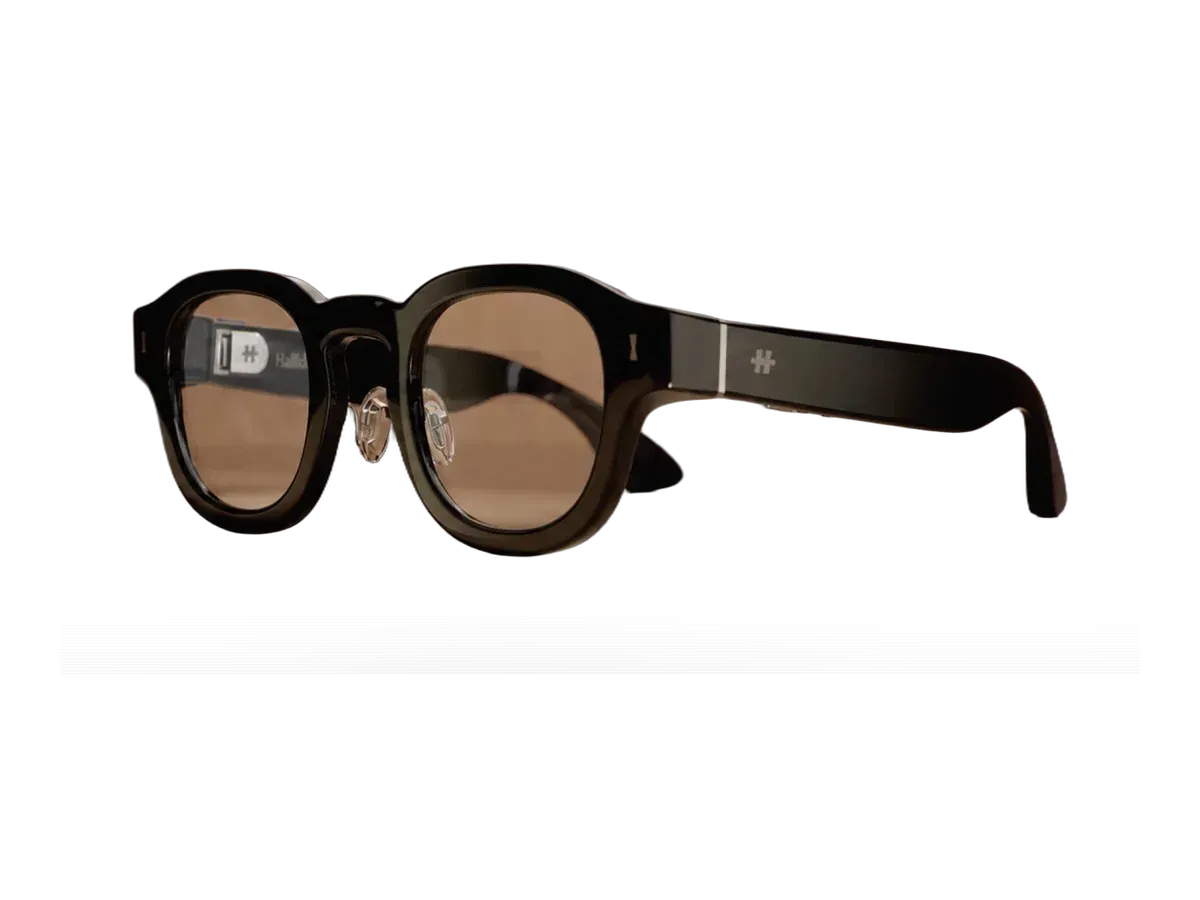
6 Halliday G2 $599 —

Ranked by AI assistant use case · Display field of view · Display brightness · Battery life · Weight · Live translation · Voice control. Prices verified at Even Realities, RayNeo Store and RayNeo, except Meta Ray-Ban Display (last verified at Meta Store). Rokid Glasses (2025 consumer AI+AR glasses) and Halliday G2 have no verified price date.

Every pick is scored on the same criteria — a spec the maker doesn’t publish scores zero, and the Best for column marks where a pick leads this list. How we rank and check prices

One sentence settles which page you need: if you want glasses with an assistant that can also show you things, you are in the right place; if you want a private big screen for a laptop, phone or console, that is the display glasses ranking, and the bare “display glasses” question stays with that page. Here, the display is a tool the assistant uses — captions during a conversation, a translated line as someone speaks, walking directions, a glanceable notification — not a monitor.

What each display actually does

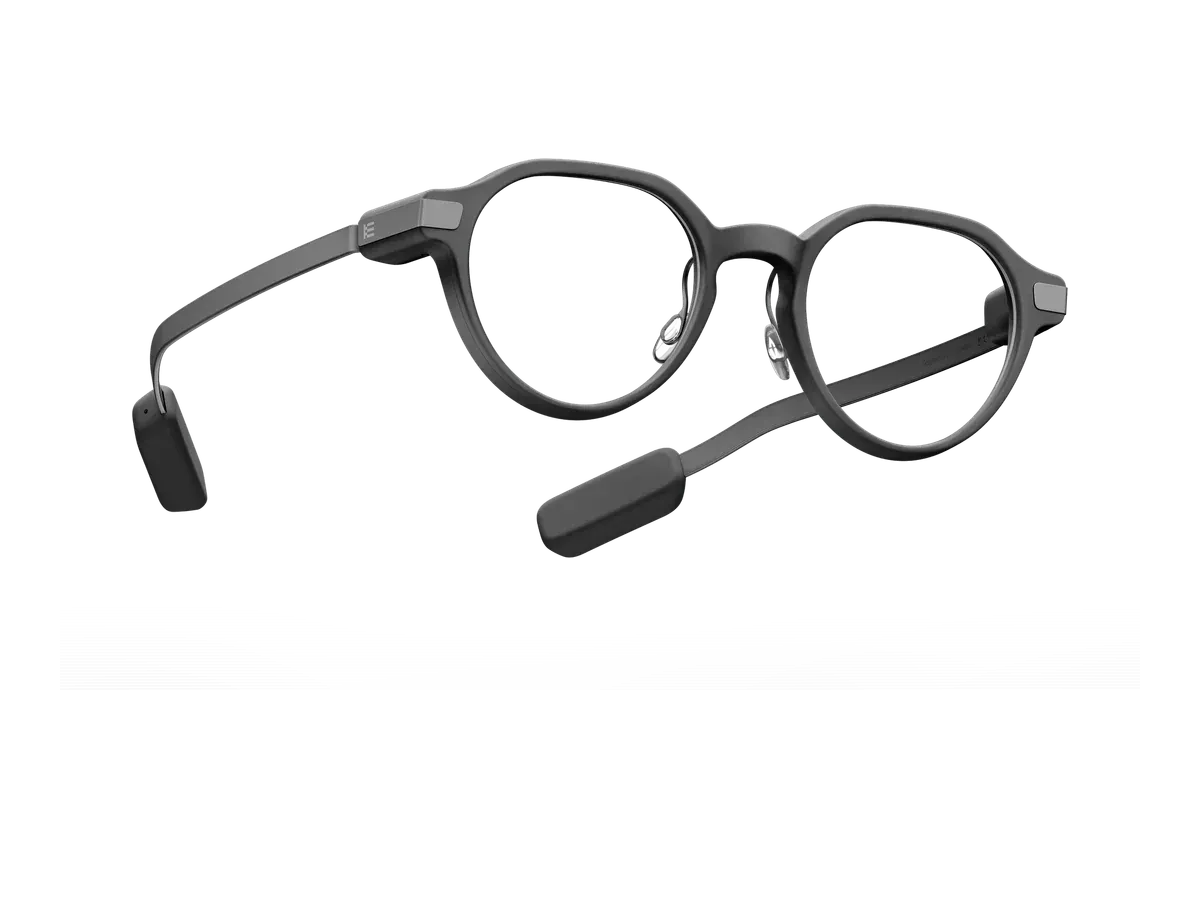
The ranked picks above split into two honest display classes. The glanceable heads-up panels — the Even G2 and the Halliday G2 — draw crisp monochrome green text high in your view. Even Realities’ own product page commits to 36 grams, an IP65 rating, up to two days of battery and a deliberately camera-free design, with teleprompting, live translation, turn-by-turn navigation and filtered notifications on the lens. Halliday’s own page records a binocular waveguide at 600×300 pixels per eye, 25.2 degrees, up to 1,600 nits and 49 grams, with auto-scrolling scripts and translation across more than 45 languages — note the catalog leaves its weight and field of view blank until those reach the records, so the ranking scores what is recorded, not what marketing says.

The second class is the full-color single-eye window: the Meta Ray-Ban Display puts a 600×600, 20-degree panel in the right lens only — Road to VR’s launch coverage documents the 30-to-5,000-nit range, the messaging and video-calling views, turn-by-turn walking directions and live captions, and the roughly six hours of mixed use that shows up as this ranking’s battery score. The RayNeo X3 Pro and Rokid Glasses take the same idea further toward full AR, and pay for it in the recorded battery and weight columns you can read in their score breakdowns.

Monocular, monochrome, and other honest caveats

None of these panels is a movie screen. Two picks draw in one eye only; two draw only in green; all of them size the image for text, not video. Battery is the sharpest divider in the ranking — the recorded spread runs from under two hours to two days — and it tracks exactly how much display and assistant the device carries. If a listing’s battery or weight cell shows a dash, the maker has not put a number on the record, and this page scores the silence as zero rather than inventing a figure.

How to choose in one minute

Buy the Even G2 if you want all-day, all-week glanceable text with navigation and translation and no social questions about recording. Buy the Meta Ray-Ban Display if you want the assistant plus the richest single-eye window — messages, calls, captions — and will live with nightly charging. Pick the RayNeo X3 Pro or Rokid Glasses only if you specifically want full-color AR experiments on your face, and read their recorded battery figures first. The per-pick score breakdowns above show every point and the recorded spec behind it, so your own weighting can disagree with ours on the same facts.
How we rank: 7 scored criteria

Every eligible product is scored on the recorded specs below. Missing data scores zero — we never guess a value. Points shown next to each pick add up to its total score. Our full method

  • AI assistant use caseup to 10 pts
  • Display field of viewup to 20 pts
  • Display brightnessup to 12 pts
  • Battery lifeup to 18 pts
  • Weightup to 15 pts
  • Live translationup to 8 pts
  • Voice controlup to 8 pts

Even Realities G2 or RayNeo iO?

Buy the Even Realities G2 if…

Buy the Even Realities G2 if you want the wider 27.5° field of view (vs 23.5°) and you want adjustable lens dimming.

Buy the RayNeo iO if…

Buy the RayNeo iO if you want to spend $100 less ($499 vs $599) and you need the brighter 1300-nit display (vs 1200 nits).

Smart glasses FAQ

What are AI glasses with a display?

Glasses built around a voice assistant that also put a small display in your lens — for notifications, live captions, translations, prompts or walking directions. They differ from tethered display glasses, which plug into a phone or laptop and act as a private monitor. Every pick on this page records both an AI assistant use and real display evidence.

Are these displays full screens?

No. These are compact heads-up panels — some monochrome, some single-eye — sized for glanceable text and directions rather than video. The recorded field of view per pick tells you how large the panel sits in your vision, and the score breakdowns show exactly what each display records. For movie-sized screens you want the device-class display page instead.

Do AI glasses with a display need a phone?

They pair with one. The assistant, translations and notifications ride the phone connection on every pick here; the glasses carry the microphones, speakers or earpieces, and the lens display. None of the ranked picks is a tethered USB-C video device — that is exactly the split between this page and the device-class display ranking.

Guides that go deeper

Plain-English explainers on the models and questions this ranking covers.

More guides on these picks

Related reading

  • Want text and directions in view without a big screen in front of you? See our picks for HUD glasses.
  • If you mostly want to read messages without taking out your phone, see our guide to glasses that show text messages.

Keep researching

Provenance: use case derived from the assistant-first display split; membership requires AI-assistant use plus recorded display evidence. Rankings are computed from recorded product specs only.