#1
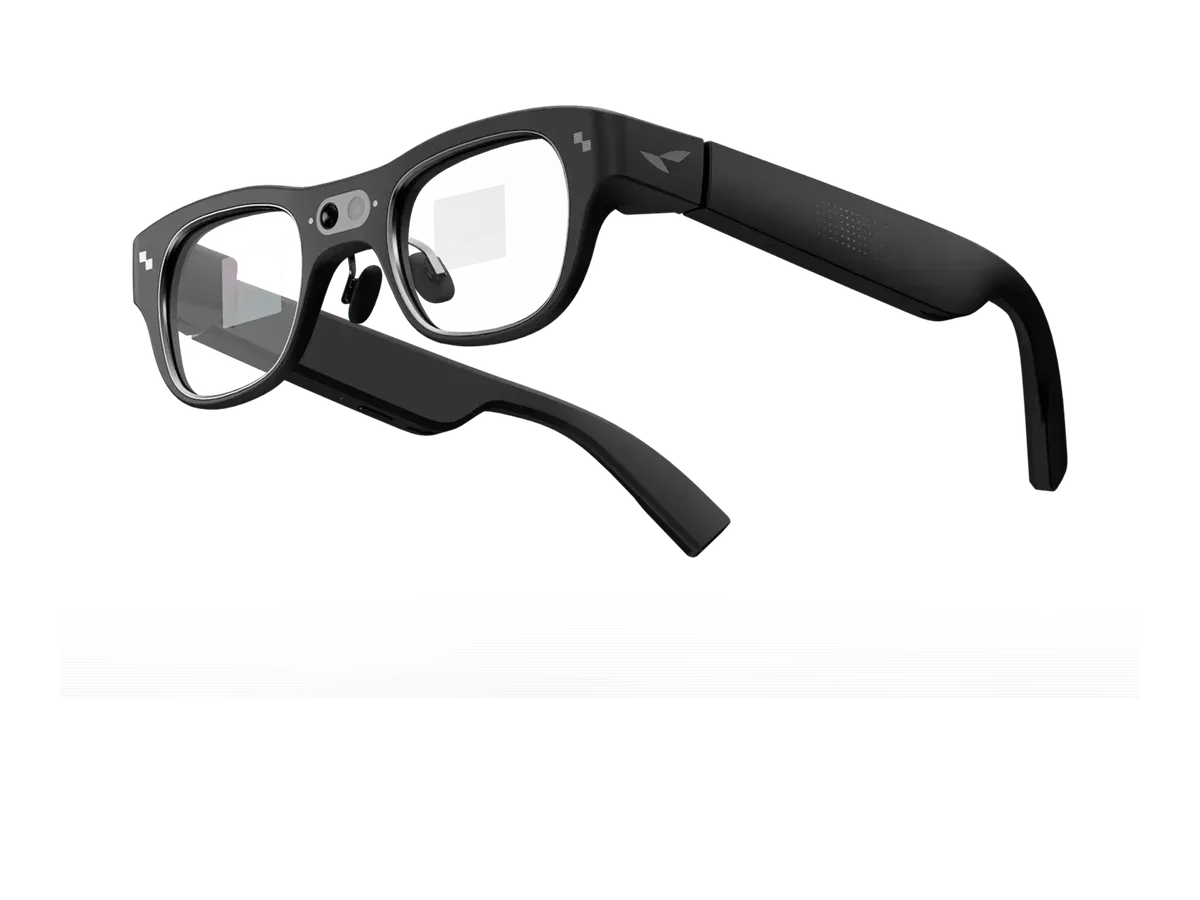
RayNeo
Why it ranks here:
- 6DoF tracking recorded (+20)
- 30° field of view (+8)
- standalone on-device computing (+15)
- built-in 12MP camera (+10)
- 3500 nits brightness (+10)
- tracking: 6DoF, head, SLAM (+10)
- gesture control recorded (+10)
Best of
Field service, training, and spatial work: ranked on recorded capability.
Product data last updated
Enterprise AR is a different game: deployments need 6DoF tracking, real field of view, and ideally standalone computing with no tethered host. The ranking below scores the recorded capability of every available enterprise-class device, including what replaced the discontinued HoloLens 2 in most evaluations.
Our top pick for Enterprise AR Glasses is the RayNeo X3 Pro at $1,299.
| # | Pick | Price | Best for |
|---|---|---|---|
| 1 | RayNeo X3 Pro | $1,299 | Top pick overall |
| 2 | DigiLens ARGO Smart Glasses | Not published by the maker | Longest battery life here |
Ranked by 6DoF tracking · Field of view · Standalone computing · Camera · Brightness · Tracking suite · Battery life · Gesture control. Prices verified .
Every pick is scored on the same criteria — a spec the maker doesn’t publish scores zero, and the Best for column marks where a pick leads this list.
Enterprise AR spans three genuinely different tools. Hands-free field-service glasses put a camera and a small display on a technician so a remote expert can see their view and annotate it — the workflow that eliminates travel and guides less-experienced staff through complex procedures. Spatial-computing headsets anchor full 3D content to the room for design review, collaboration, and training. And managed display glasses give office and hybrid workers a deployable virtual monitor.
The specs that matter differ from consumer buying. Safety certification decides whether a device can enter industrial environments that require eye protection. Display brightness determines readability under harsh workshop or outdoor light — the reason most industrial designs use waveguide optics with high rated nits. Standalone operation (onboard computing, no phone or PC) matters on a factory floor, and fleet-management tooling is often the deciding factor for IT procurement, because a hundred devices without central deployment is a support ticket generator.
Expect enterprise pricing to sit well above consumer hardware, reflecting certification, support contracts, and platform software rather than raw optics. If your actual need is a virtual desktop for knowledge workers, the productivity ranking is the better starting point — or browse the full database and filter by the specs your deployment requires.
Every eligible product is scored on the recorded specs below. Missing data scores zero — we never guess a value. Points shown next to each pick add up to its total score.
RayNeo
Why it ranks here:
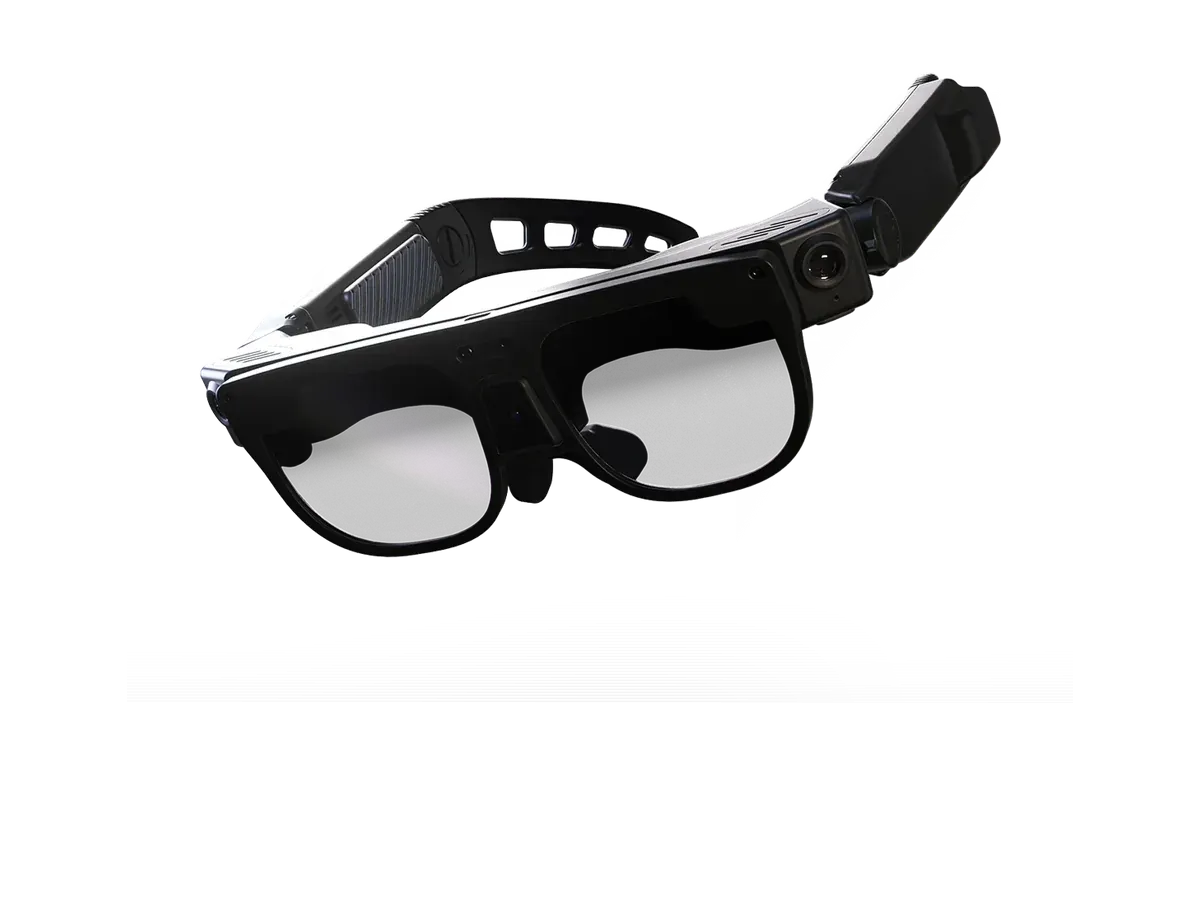
DigiLens
Why it ranks here:
Buy the DigiLens ARGO Smart Glasses if…
Buy the DigiLens ARGO Smart Glasses if you want spatial audio.
Buy the RayNeo X3 Pro if…
Buy the RayNeo X3 Pro if you need the brighter 3500-nit display (vs 2500 nits), you want the lighter 76g fit (vs 200g), you want adjustable lens dimming, and you're an iPhone user.
Provenance: use case derived from our enterprise-deployment buyer profile (advanced-AR capability). Rankings are computed from recorded product specs only.