Skip to content

Best of

Best Micro-OLED AR Glasses

Video glasses that use Micro-OLED panels, ranked on picture, comfort and price.

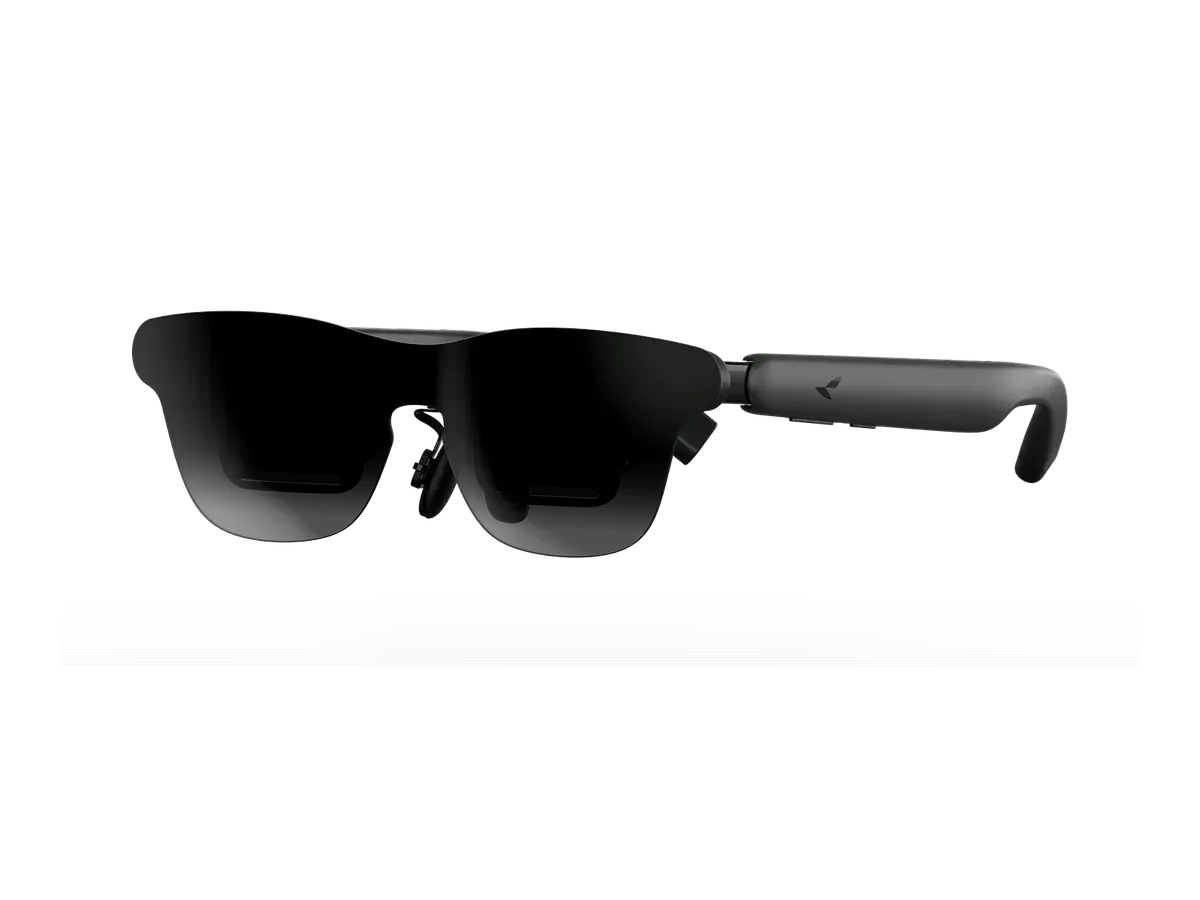
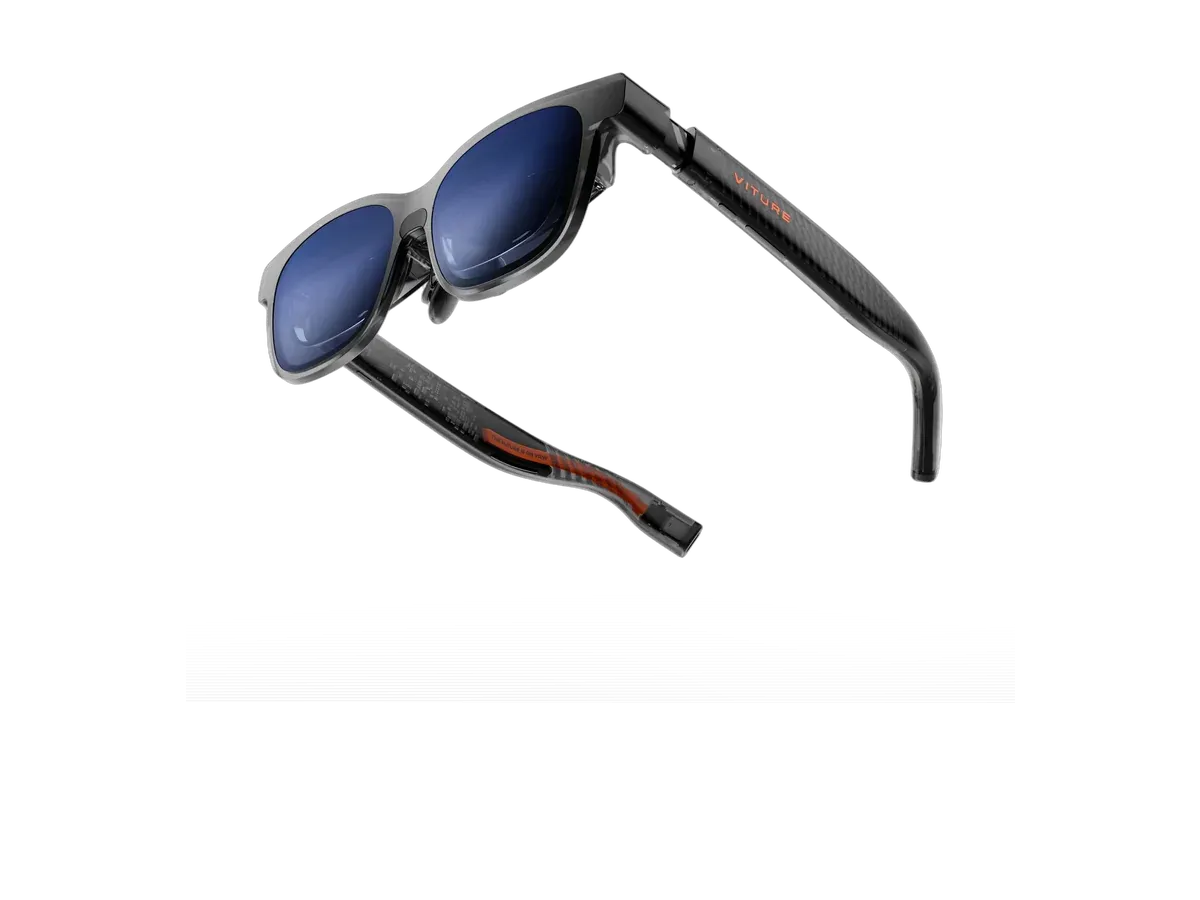
Our top pick for Micro-OLED AR glasses is the VITURE Pro 2 XR Glasses, $299 at VITURE Store.

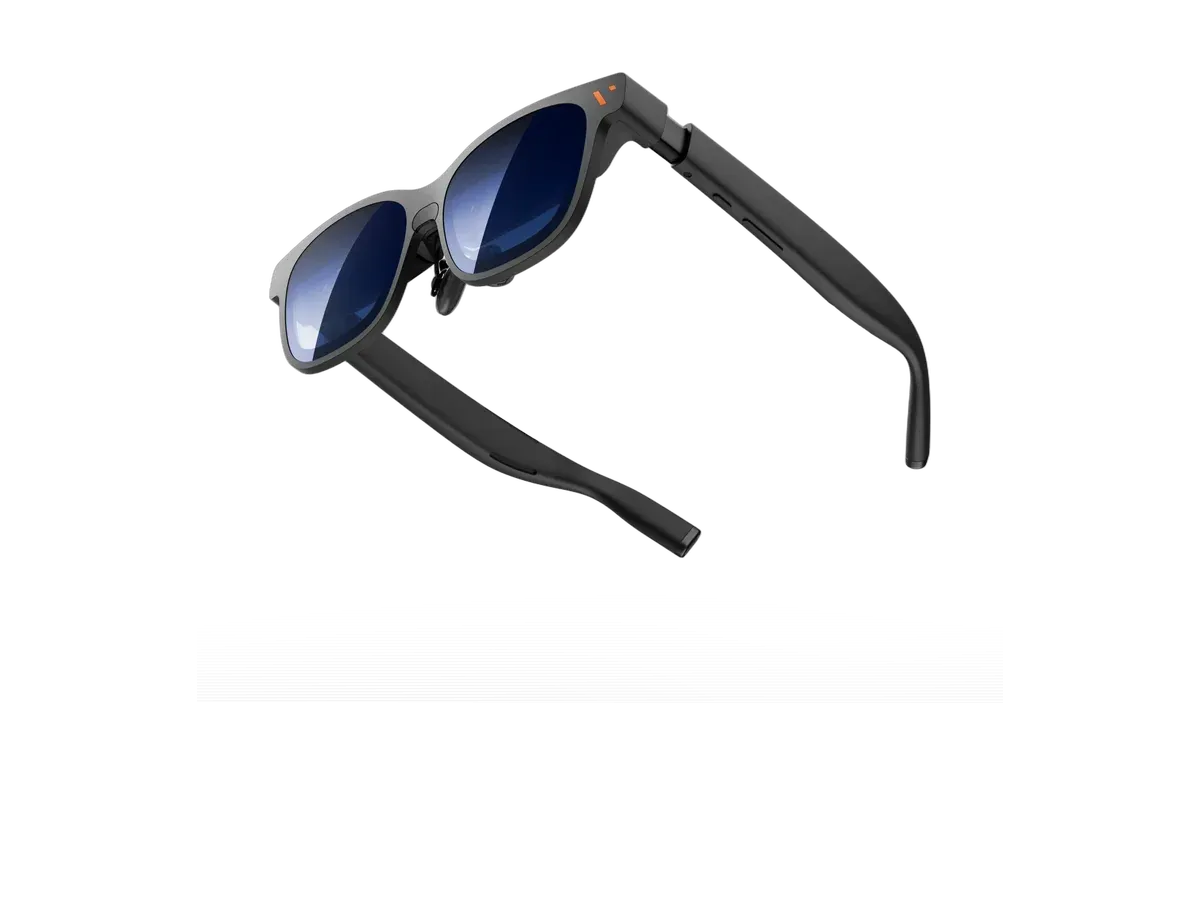
VITURE Pro 2 XR Glasses

Our top pick

VITURE Pro 2 XR Glasses · $299 at VITURE Store

Check price at Amazon See full ranking ↓

Product data last updated

Updated November 17, 2026. Nearly every pair of AR glasses that plugs into a phone, laptop or console uses a Micro-OLED display: a tiny OLED panel per eye with true blacks and rich color, reflected into your view. That is why XREAL, VITURE, RayNeo, Rokid and others all advertise Sony Micro-OLED. We rank every pair of Micro-OLED video glasses you can buy today on recorded specs: brightness, refresh rate, screen size, a 1200p panel, HDR, screen anchoring, weight and price.

# Pick Price Best for
1 VITURE Pro 2 XR Glasses $299 Top pick overall
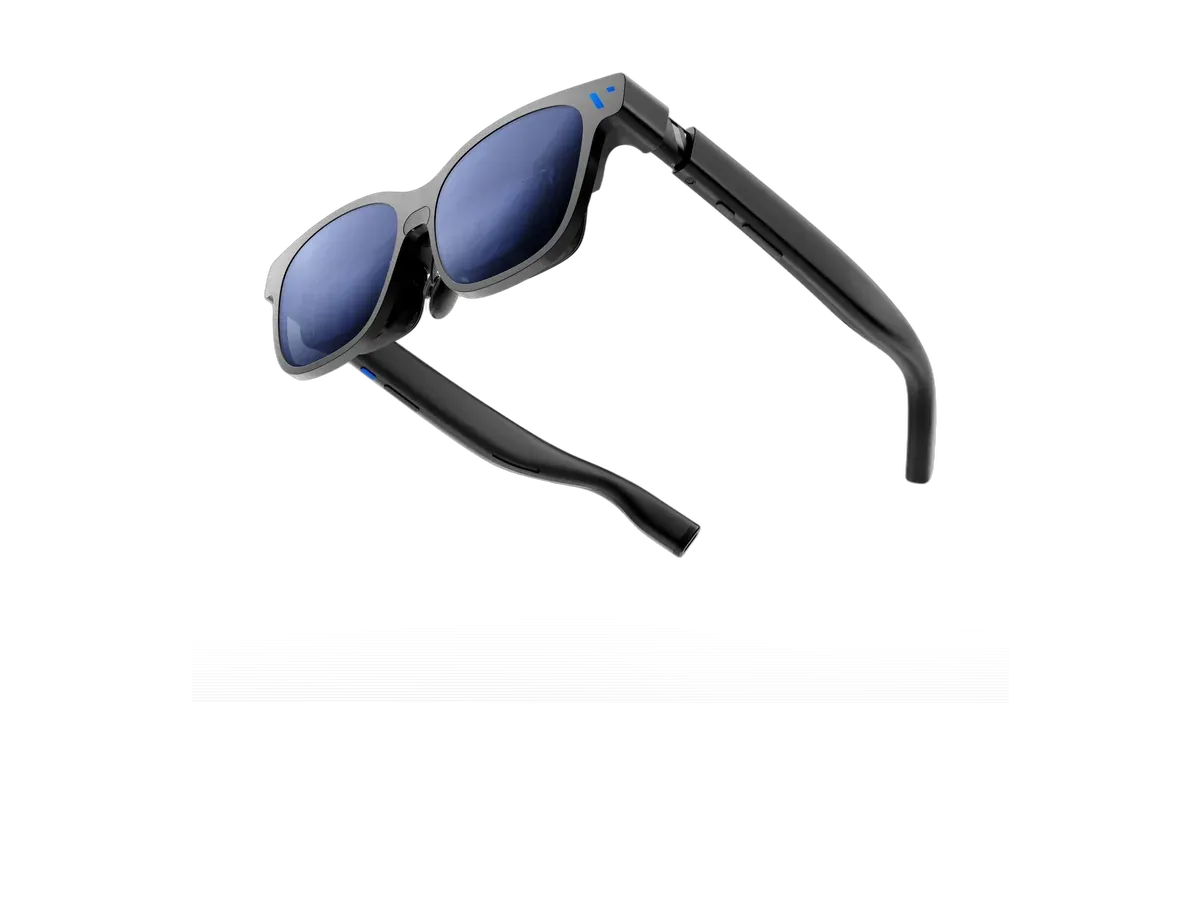
2 RayNeo GT Max $429 Widest view here
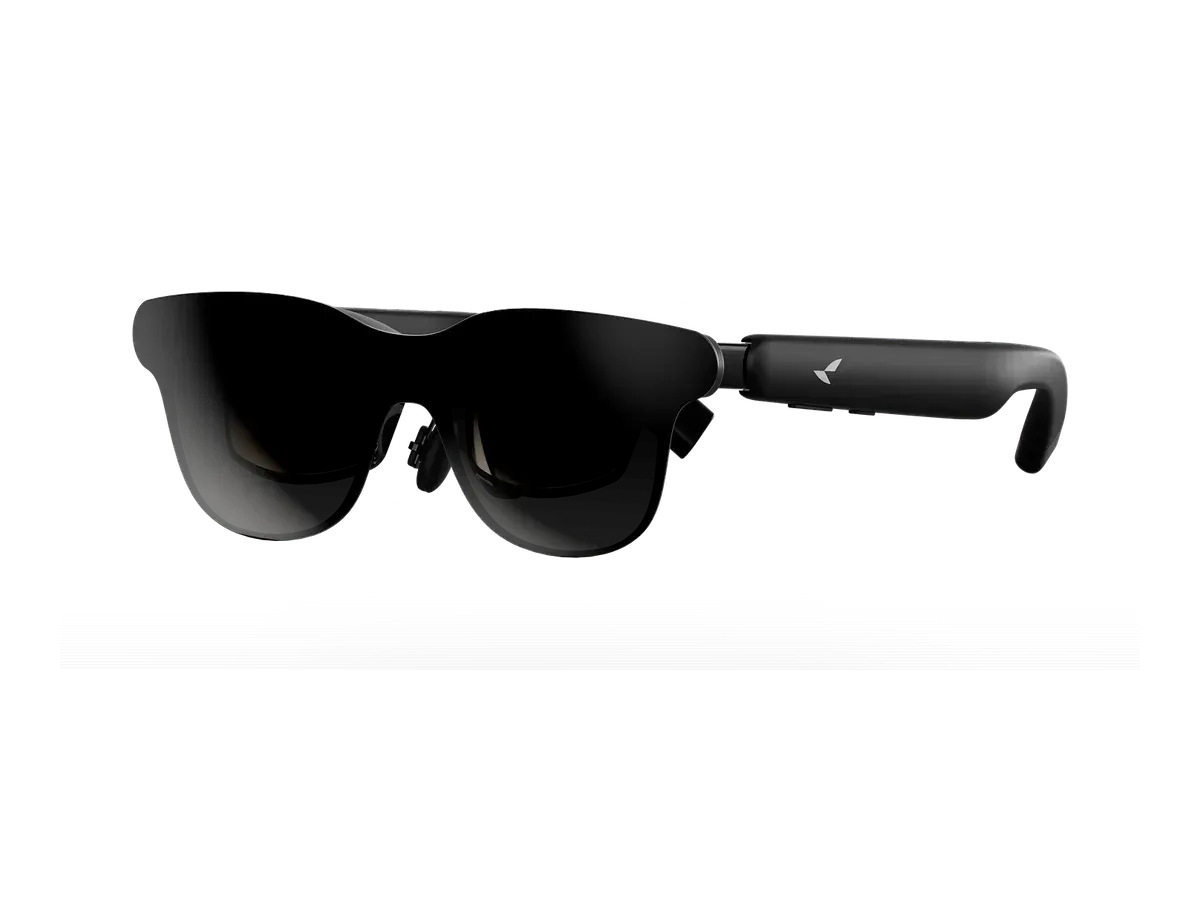
3 VITURE Luma XR $399 —
4 VITURE Beast XR Glasses $549 —
5 RayNeo GT $329 Sharpest text here
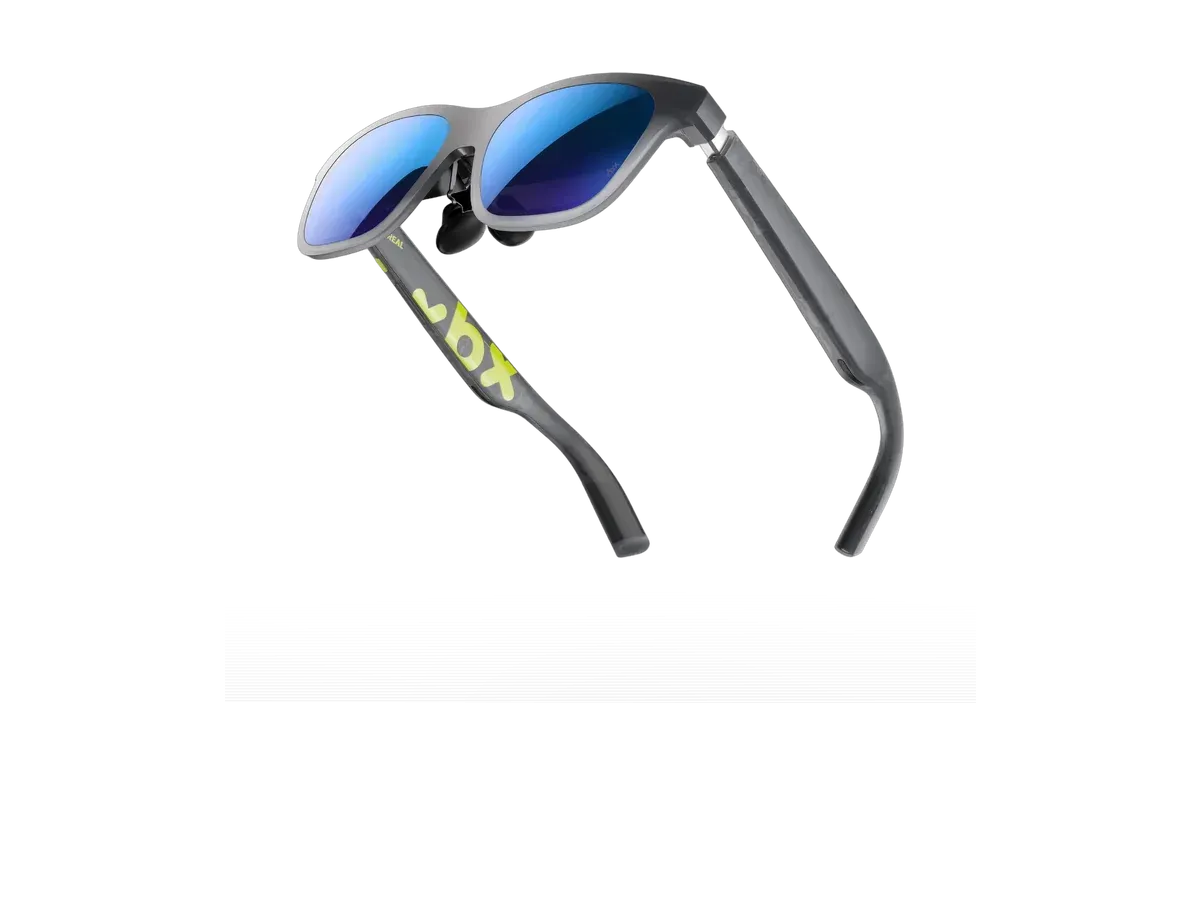
6 XREAL xbx a01+ $299 Lightest frame here

Ranked by Brightness · Refresh rate · Screen size · 1200p panel · HDR · Screen anchoring · Weight · Price. Prices verified at VITURE Store, RayNeo Store and XREAL Store.

Every pick is scored on the same criteria — a spec the maker doesn’t publish scores zero, and the Best for column marks where a pick leads this list. How we rank and check prices

How we picked

We kept every pair of plug-in video glasses you can buy today whose maker names a Micro-OLED display, then scored the picture first: brightness, refresh rate, screen size and a 1200p panel, then HDR, a screen that stays put when you turn your head, weight and price.

Why almost every pair uses Micro-OLED

Micro-OLED panels are tiny, sharp and make their own light, so they give deep blacks and strong contrast, which suits films and games. They are paired with birdbath or prism optics that reflect the image into your eye, which is why these glasses tint your view of the room. MicroLED glasses with clear waveguide lenses are thinner and brighter but mostly show one color for text. Our guide to MicroLED vs Micro-OLED explains the trade-off, and birdbath vs waveguide covers the optics.

Choosing between Micro-OLED pairs

To compare two popular pairs, see VITURE Beast vs XREAL 1S.

How we rank: 8 scored criteria

Every eligible product is scored on the recorded specs below. Missing data scores zero — we never guess a value. Points shown next to each pick add up to its total score. Our full method

  • Brightnessup to 20 pts
  • Refresh rateup to 15 pts
  • Screen sizeup to 15 pts
  • 1200p panelup to 10 pts
  • HDRup to 5 pts
  • Screen anchoringup to 10 pts
  • Weightup to 10 pts
  • Priceup to 15 pts

VITURE Pro 2 XR Glasses or RayNeo GT Max?

Buy the RayNeo GT Max if…

Buy the RayNeo GT Max if you want the wider 59° field of view (vs 50°), you want HDR support, and you want spatial audio.

Buy the VITURE Pro 2 XR Glasses if…

Buy the VITURE Pro 2 XR Glasses if you want to spend $130 less ($299 vs $429), you need the brighter 1600-nit display (vs 1200 nits), you want the lighter 63g fit (vs 78g), and you play on Nintendo Switch.

Also considered

Show all 15 considered models

Smart glasses FAQ

What is a Micro-OLED display in AR glasses?

It is a very small OLED panel, about half an inch across, built on a silicon chip so the pixels are packed tightly. Each pixel makes its own light, so blacks are truly black and contrast is high. In video glasses the image from each panel is reflected into your eye by the optics in the lens.

Is Micro-OLED better than MicroLED for AR glasses?

They suit different glasses. Micro-OLED gives full color and high resolution for watching video and working on a virtual screen, but the optics that carry its image dim the view of the world. MicroLED is brighter and pairs with thin clear waveguide lenses, but most MicroLED glasses on sale today show a single color, usually green, for text and notifications.

Do Micro-OLED glasses get burn-in?

OLED panels can in principle keep a faint ghost of an image left on screen for a very long time. Makers do not publish burn-in figures for these glasses, and normal video and desktop use moves the image around enough that it is rarely raised as a problem. Hiding a fixed taskbar helps if you worry about it.

Are all Sony Micro-OLED glasses the same?

No. Sony supplies panels to several brands, but panel generation, resolution, brightness and especially the optics differ, so the picture, screen size and sharpness vary from pair to pair. The ranking compares the recorded specs.

Guides that go deeper

Plain-English explainers on the models and questions this ranking covers.

  • MicroLED vs Micro-OLED Glasses (2026)Micro-OLED gives display glasses a sharp, full-color movie screen. MicroLED powers bright, mostly green text in everyday smart glasses. Which glasses use which.
  • Birdbath vs Waveguide: AR Optics (2026)How birdbath and waveguide AR optics work, and how they compare on brightness, FOV, weight, and price across the 195 devices in our database.
  • AR Glasses Specs, ExplainedEvery row on an AR glasses spec sheet, defined in plain English — tethered, diopter range, refresh rate, DisplayPort Alt Mode, 3DoF vs 6DoF, IP ratings, and more — with real values from the 178 glasses in our database.

More guides on these picks

Keep researching

Provenance: use case derived from buyers searching 'oled ar glasses', 'micro oled ar glasses' and 'oled xr glasses' (structured: displayType names Micro-OLED, category display, brightness, refreshRate, fieldOfView, resolution, hdrSupport, tracking, weight, price). Rankings are computed from recorded product specs only.