#1
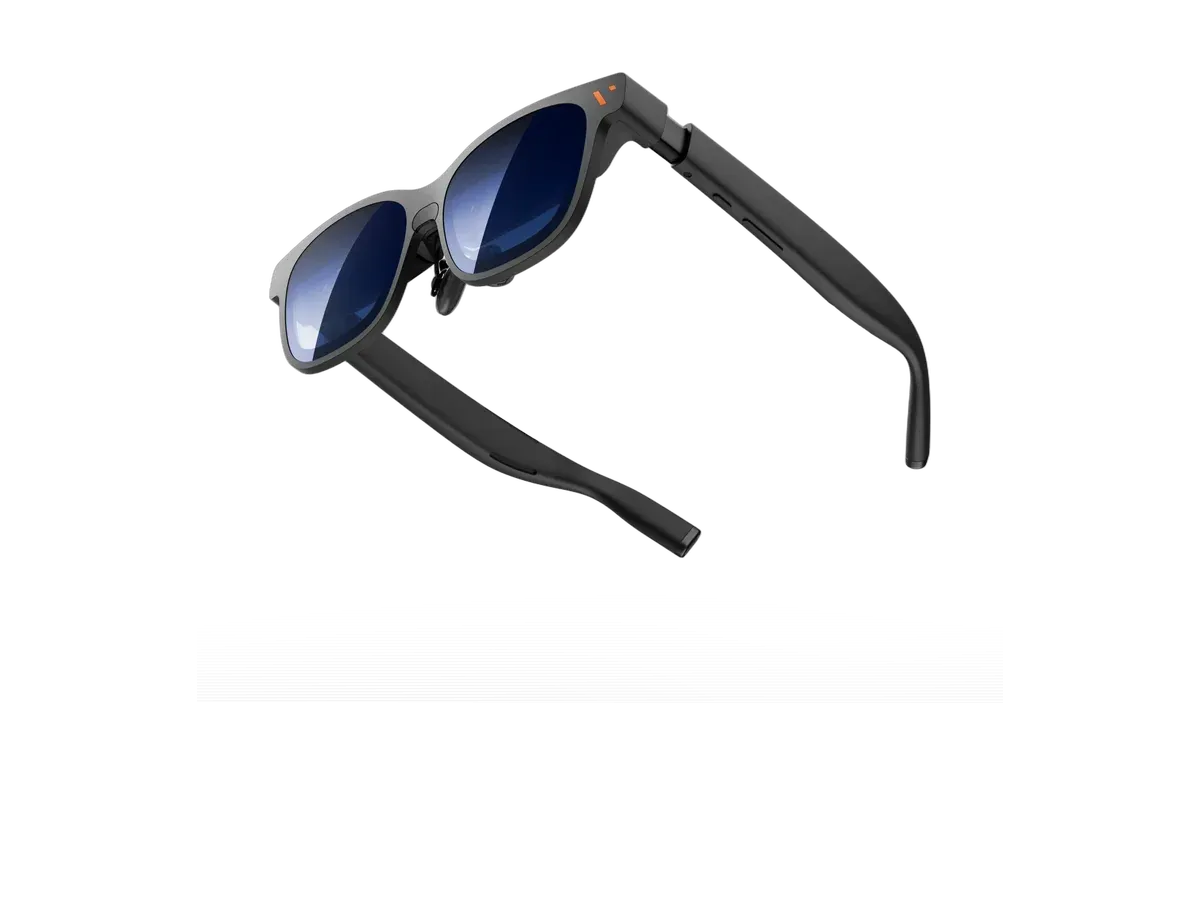
VITURE
Evidence confidence: 6 of 7 scoring inputs documented
Why it ranks here:
- 50° field of view (+16)
- 1600 nits brightness (+20)
- 63g weight (+15)
- $299 price (+15)
- keeps the screen pinned in place when you turn your head (+10)
Best of
Display glasses with a 120Hz screen, ranked on what still differs once the refresh rate is equal.
Our top pick for 120Hz AR glasses is the VITURE Pro 2 XR Glasses at $299.
Our top pick
VITURE Pro 2 XR Glasses · $299 at VITURE Store
Check price at Amazon See full ranking ↓Product data last updated
120Hz AR glasses redraw the picture 120 times a second, twice as often as a standard 60Hz screen, so fast motion in games looks smoother and less smeared. Every pair below has a 120Hz panel, so the ranking compares what still differs: field of view (how much of your vision the screen fills), brightness, sharpness, weight and price. One catch before you buy: the glasses only show 120Hz when the device plugged into them sends 120 frames a second. A gaming PC or laptop can. With consoles and handhelds it depends on the model, the game and any adapter in between, so check your device's video settings.
| # | Pick | Price | Best for |
|---|---|---|---|
| 1 | VITURE Pro 2 XR Glasses | $299 | Top pick overall |
| 2 | RayNeo GT | $329 | Sharpest text here |
| 3 | XREAL xbx a01+ | $299 | Lightest frame here |
| 4 | RayNeo GT Max | $429 | Widest view here |
| 5 | RayNeo Air 4 Pro | $299 | — |
| 6 | XREAL 1 Pro+ | $599 | — |
Ranked by Field of view · Brightness · Sharpness · Weight · Price · Screen anchoring · HDR. Prices verified at XREAL for 1 of these picks; the other 5 were last verified on . Each product page shows its own date.
Every pick is scored on the same criteria — a spec the maker doesn’t publish scores zero, and the Best for column marks where a pick leads this list. How we rank and check prices
Every eligible product is scored on the recorded specs below. Missing data scores zero — we never guess a value. Points shown next to each pick add up to its total score. Our full method
VITURE
Evidence confidence: 6 of 7 scoring inputs documented
Why it ranks here:
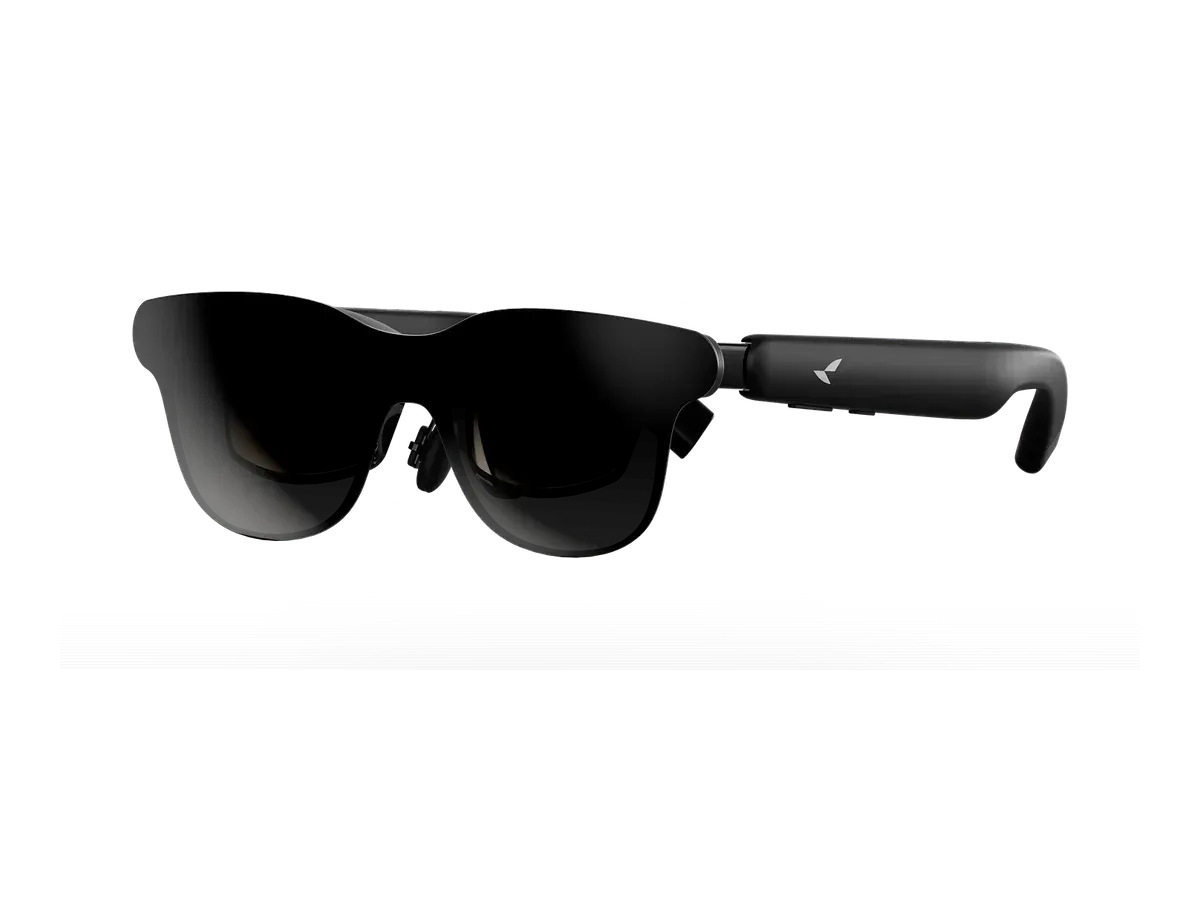
RayNeo
Evidence confidence: 7 of 7 scoring inputs documented
Why it ranks here:
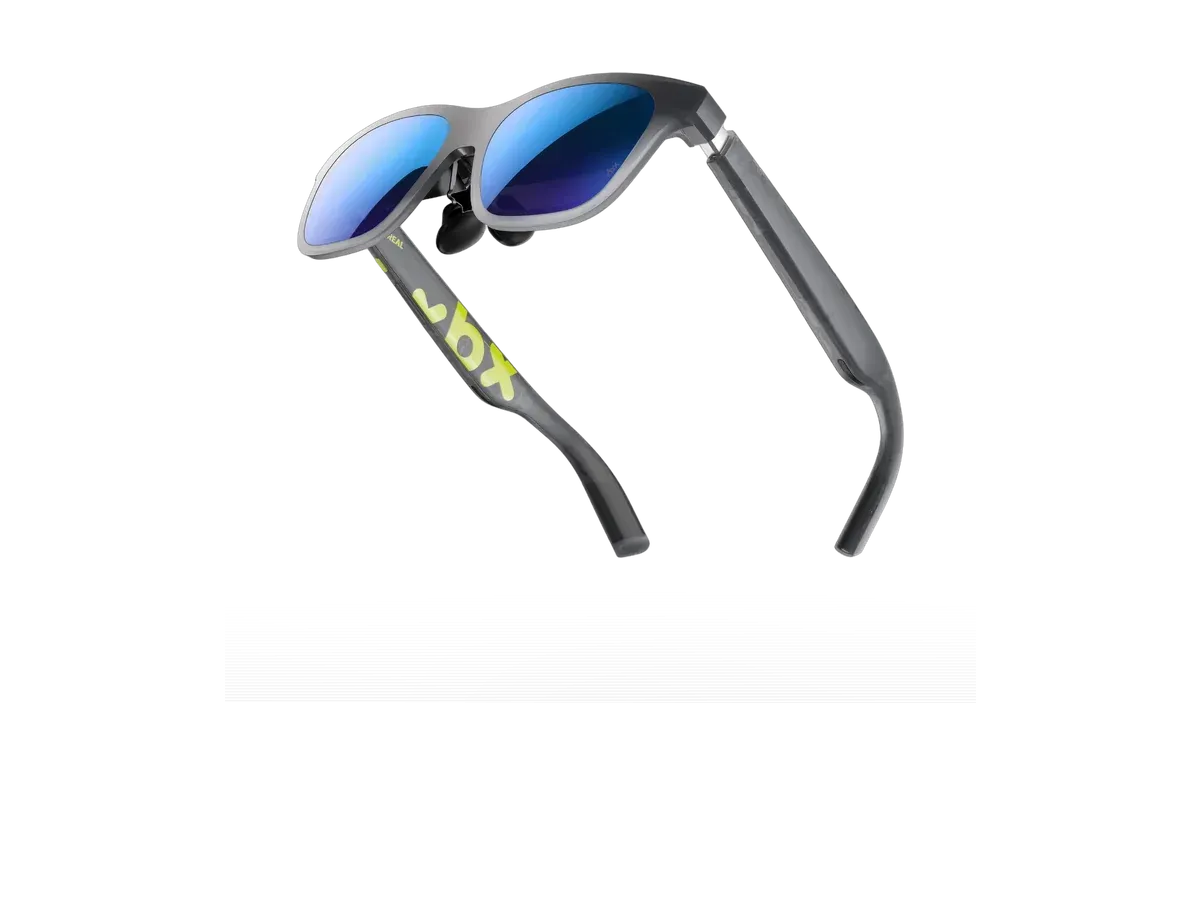
XREAL
Evidence confidence: 6 of 7 scoring inputs documented
Why it ranks here:
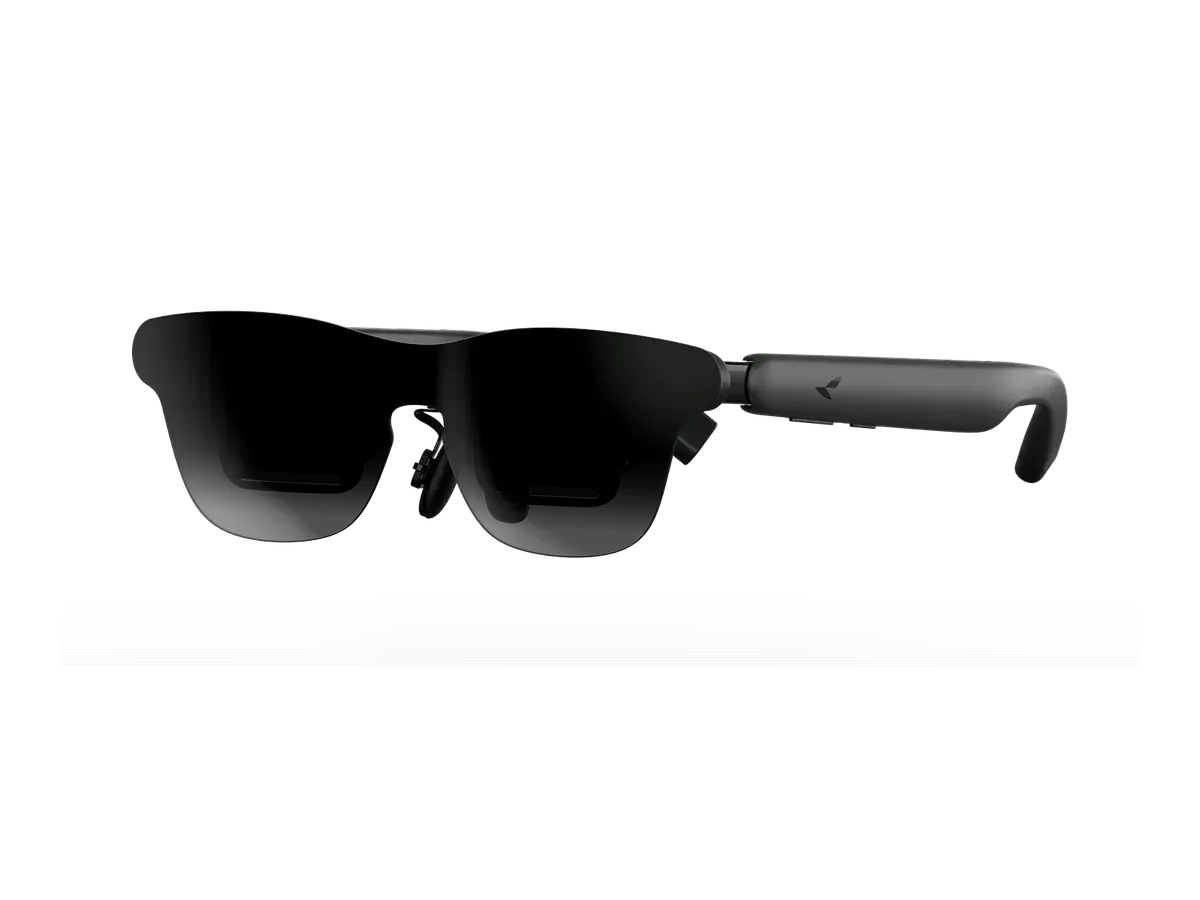
RayNeo
Evidence confidence: 6 of 7 scoring inputs documented
Why it ranks here:
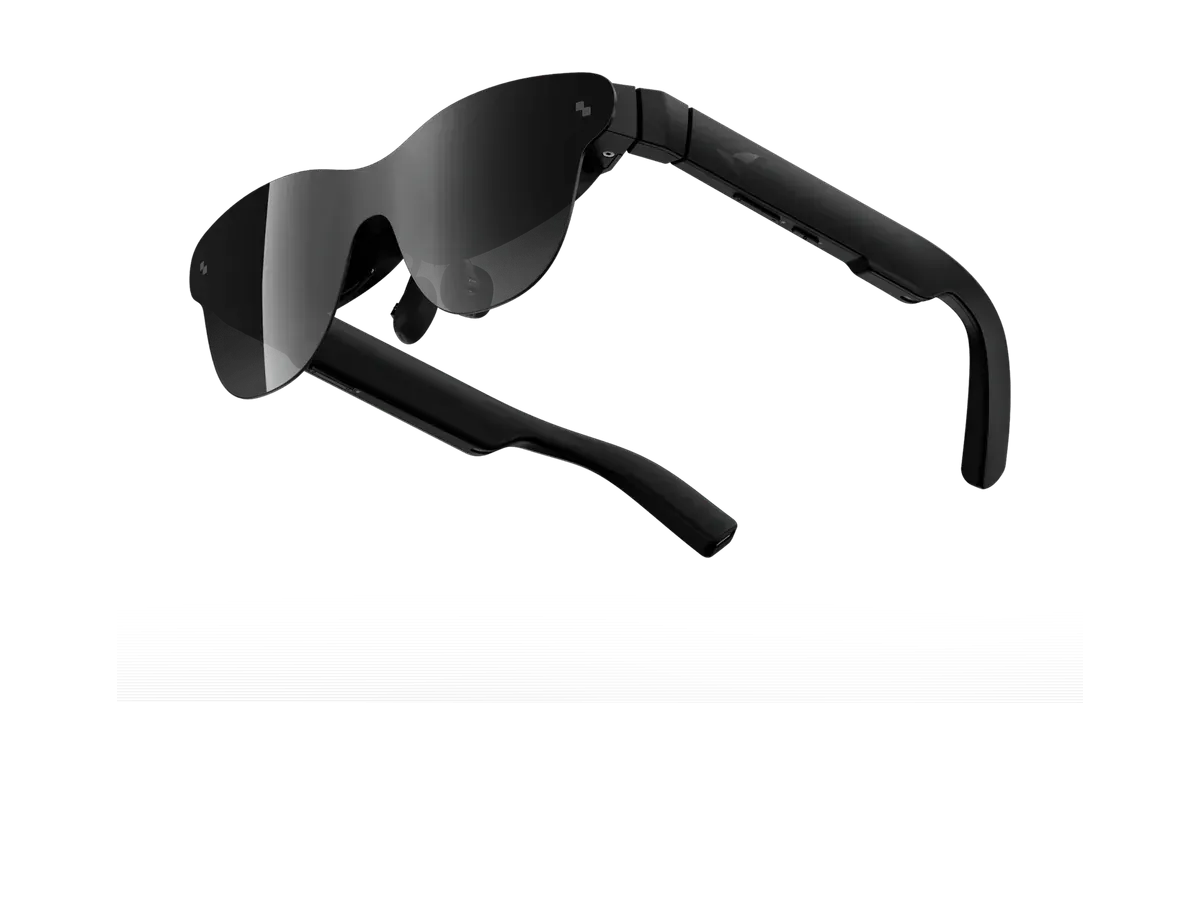
RayNeo
Evidence confidence: 7 of 7 scoring inputs documented
Why it ranks here:
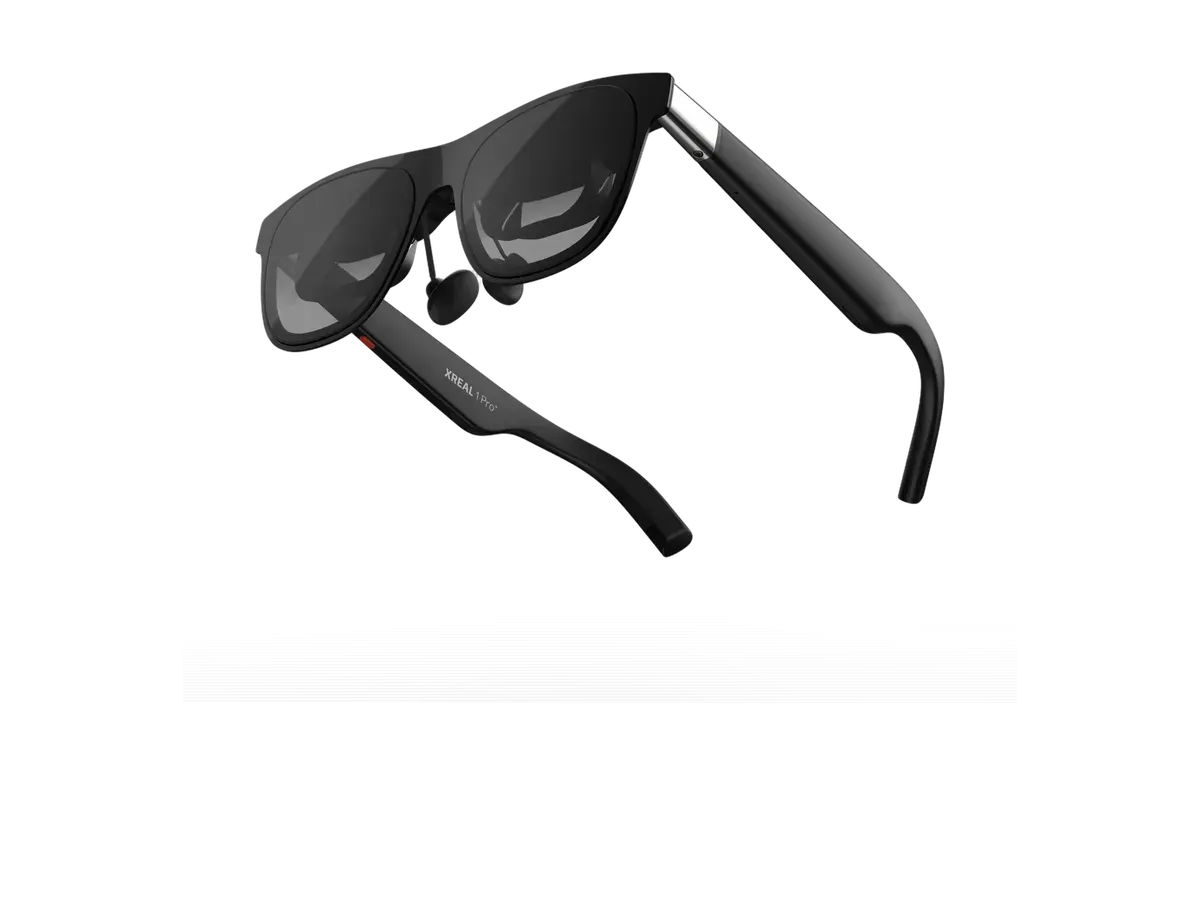
XREAL
Evidence confidence: 6 of 7 scoring inputs documented
Why it ranks here:
Buy the RayNeo GT if…
Buy the RayNeo GT if you want HDR support and you want spatial audio.
Buy the VITURE Pro 2 XR Glasses if…
Buy the VITURE Pro 2 XR Glasses if you want to spend $30 less ($299 vs $329), you want the wider 50° field of view (vs 46°), you need the brighter 1600-nit display (vs 1200 nits), and you want the lighter 63g fit (vs 68g).
For games, yes, as long as your device can send 120 frames a second. Motion looks smoother and fast camera turns blur less. For films it matters little, because most films run at 24 frames a second. If you mainly watch video, put field of view, brightness and price ahead of refresh rate.
A Windows PC or gaming laptop with a USB-C port that carries video can, when the game runs fast enough and the display is set to 120Hz in Windows settings. Handhelds and consoles vary by model and by game, and an HDMI adapter in the chain can limit the rate. When the device sends 60Hz, the glasses simply run at 60Hz.
Field of view and brightness. A 50° field of view fills about as much of your vision as a big monitor at arm's length, and every extra degree makes the screen feel larger. Brightness is measured in nits: 400 or more is fine indoors, and 1,000 or more holds up in daylight. Weight decides how long a session stays comfortable.
Rankings that share the most top picks with this one.
Provenance: use case derived from display glasses whose maker lists a native refresh rate of 120Hz or more. Rankings are computed from recorded product specs only.