Skip to content

Best of

Best 1200p AR Glasses (1080p vs 1200p Explained)

Video glasses with a taller 1920x1200 panel per eye.

Our top pick for 1200p AR glasses is the VITURE Luma XR, $399 at VITURE Store.

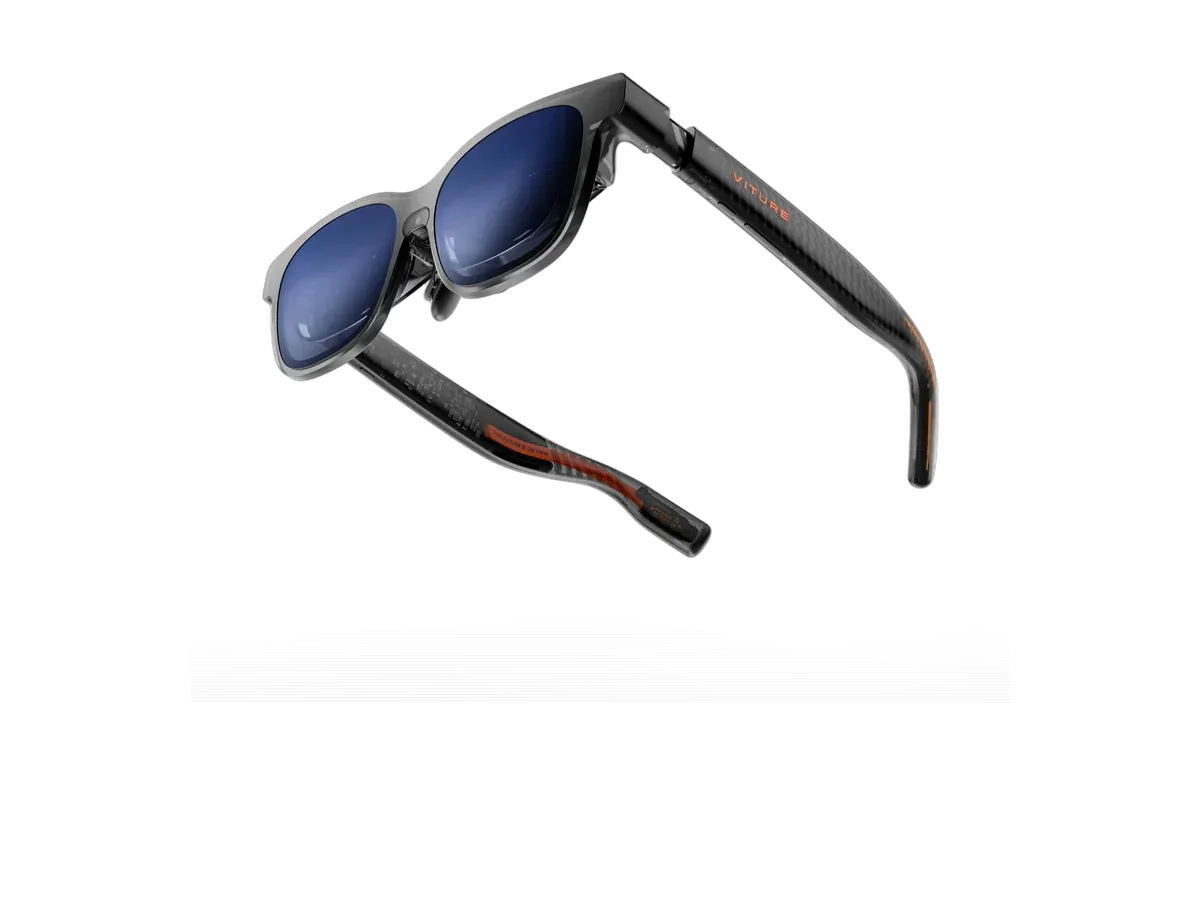
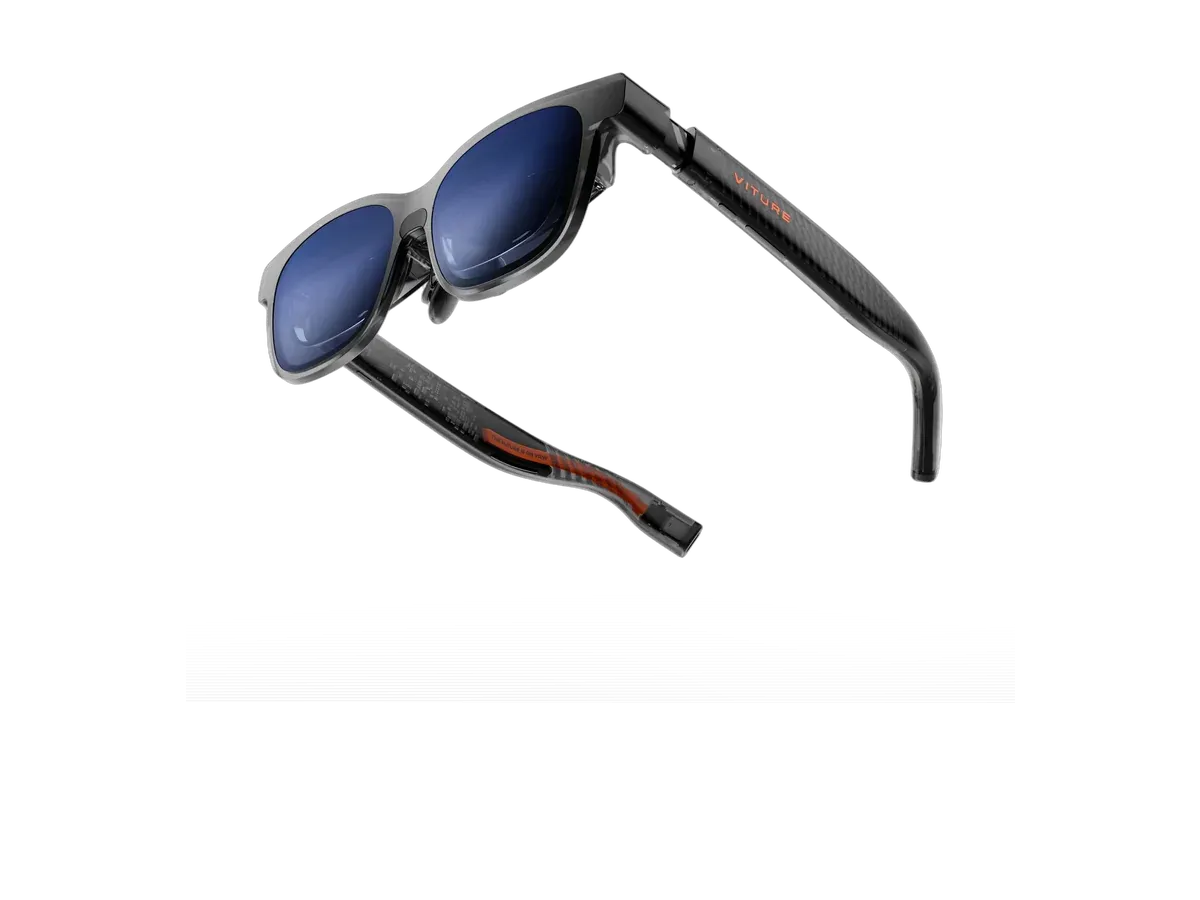
VITURE Luma XR

Our top pick

VITURE Luma XR · $399 at VITURE Store

Check price at Amazon See full ranking ↓

Product data last updated

Updated November 17, 2026. 1200p AR glasses use a 1920x1200 panel per eye instead of the usual 1920x1080, which adds 120 rows of pixels, about 11 percent more, and gives a slightly taller 16:10 screen. That extra height helps most with documents, code and web pages; films in 16:9 look the same as on 1080p glasses. We rank every pair with a 1200p panel you can buy today on recorded specs: brightness, refresh rate, screen size, price, weight, screen anchoring, HDR and dimming.

# Pick Price Best for
1 VITURE Luma XR $399 Top pick overall
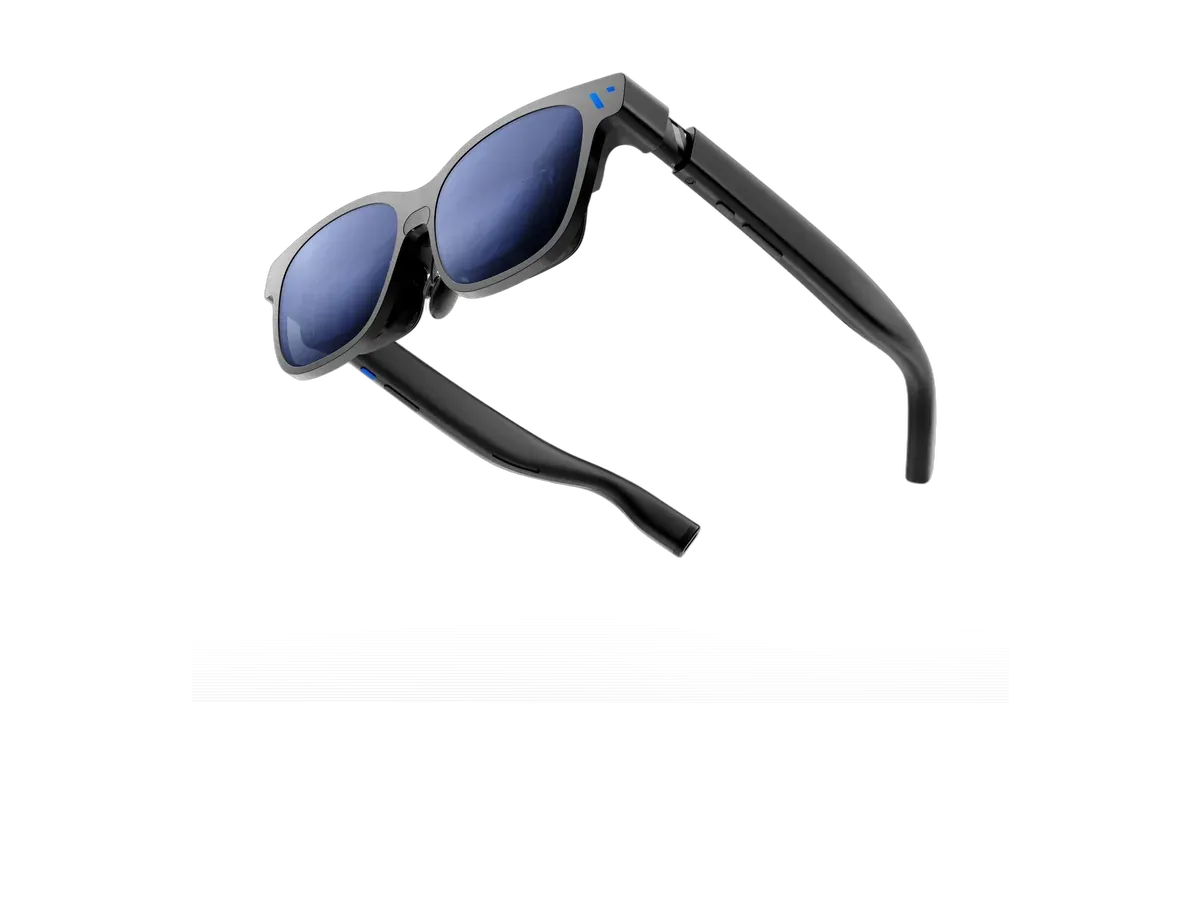
2 VITURE Luma Pro $499 —
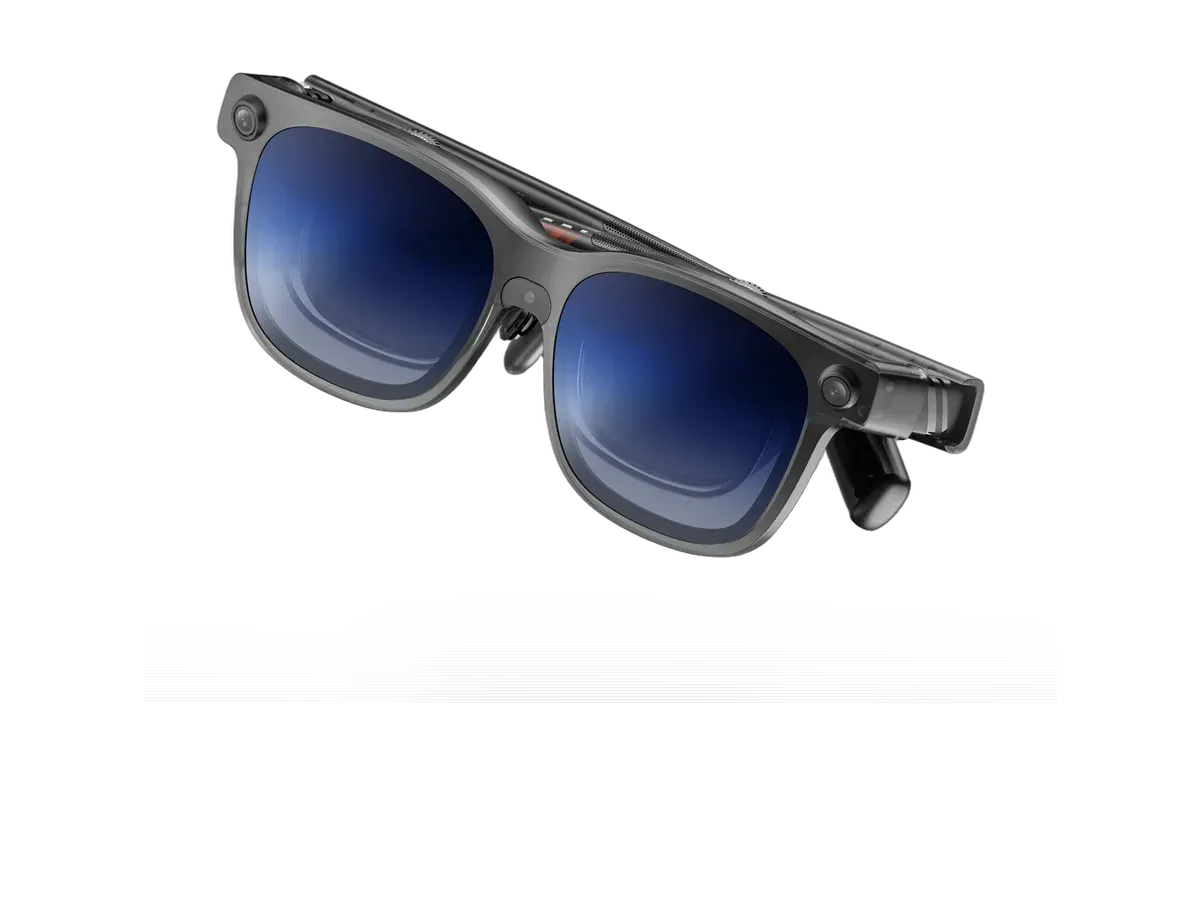
3 VITURE Luma Ultra XR/AR Glasses $599 Brightest display here
4 VITURE Beast XR Glasses $549 Widest view here
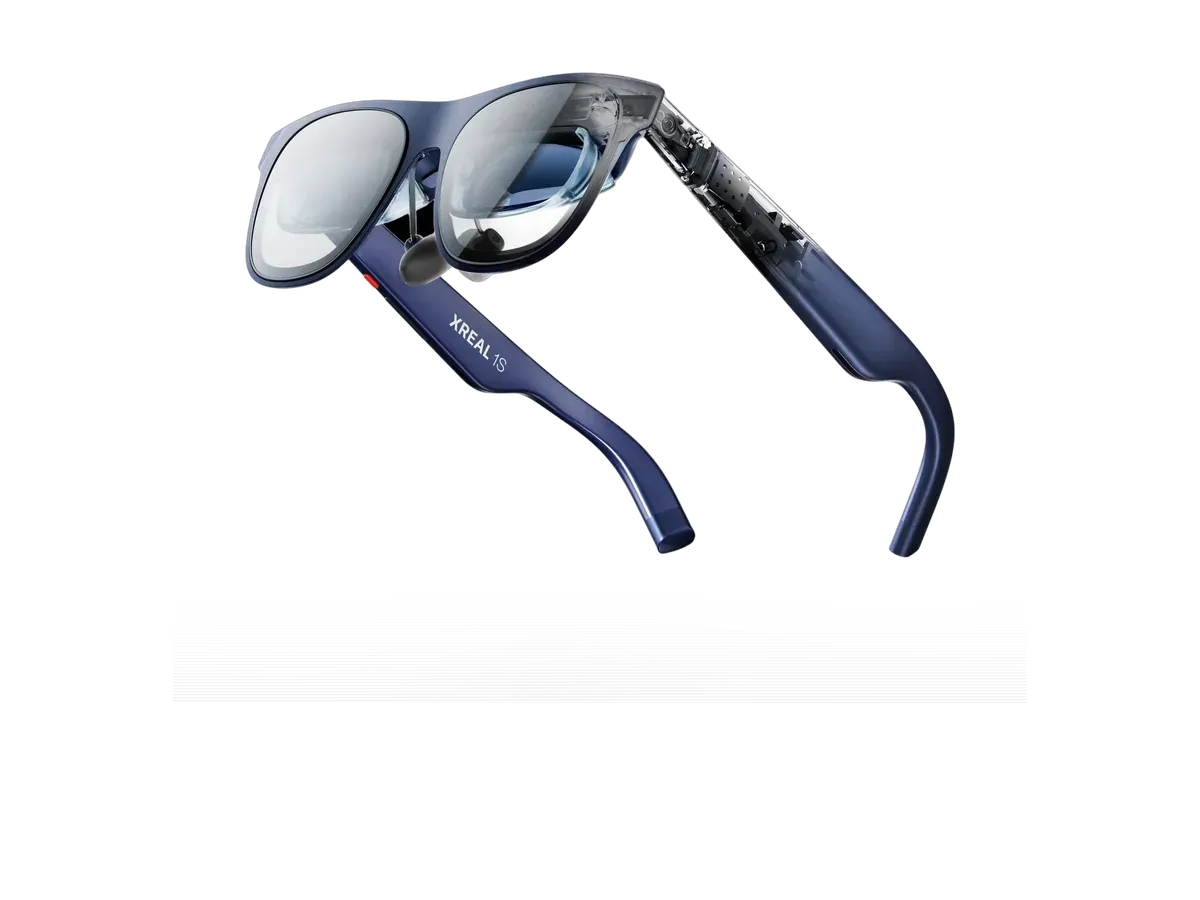
5 XREAL 1S $449 —
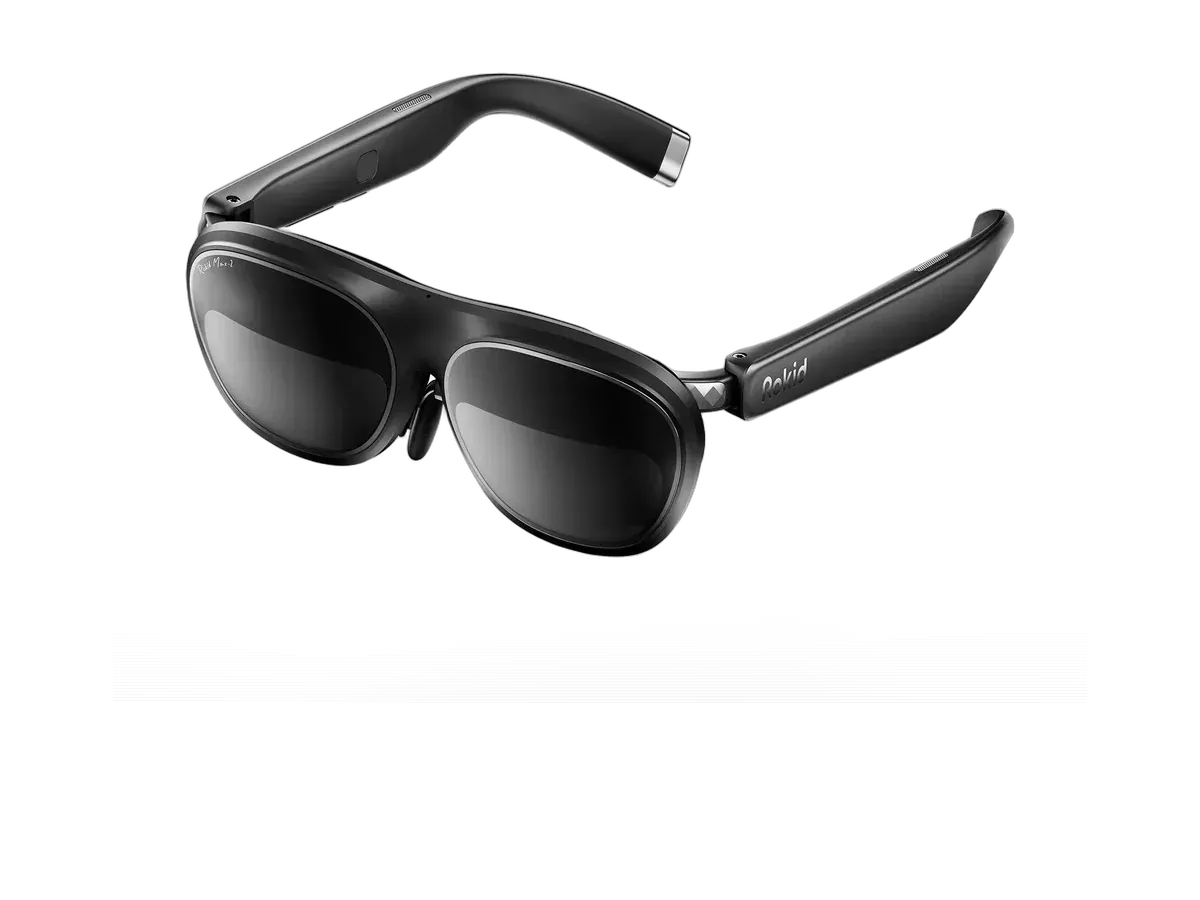
6 Rokid Max 2 $299 Lowest price here

Ranked by Brightness · Refresh rate · Screen size · Price · Weight · Screen anchoring · HDR · Lens dimming. Prices verified at VITURE Store, Amazon and Rokid Store.

Every pick is scored on the same criteria — a spec the maker doesn’t publish scores zero, and the Best for column marks where a pick leads this list. How we rank and check prices

How we picked

We kept every pair of video glasses you can buy today with a 1920x1200 panel per eye, then scored brightness, refresh rate, screen size, price, weight, a screen that stays put when you turn your head, HDR and dimming.

1080p vs 1200p: what changes

A 1200p panel has the same 1920 pixels across as 1080p and 120 more rows, so the screen is about 11 percent taller and has a 16:10 shape. In practice:

  • Documents, code and spreadsheets show a few more lines at once.
  • Films and most games are 16:9, so they show the same picture as on 1080p, with thin bars above and below.
  • Sharpness depends more on field of view and optics than on those extra rows. A wide 1200p screen can look as soft as a narrower 1080p one.

If text clarity is your priority, see sharpest text AR glasses, which ranks by pixels per degree, and AR glasses for coding.

Who makes 1200p glasses

VITURE’s Luma line and Beast, XREAL’s 1S and Rokid’s Max 2. Our guide to the VITURE Luma line explains the differences between the Luma models, and you can compare VITURE Luma Pro vs XREAL 1S.

How we rank: 8 scored criteria

Every eligible product is scored on the recorded specs below. Missing data scores zero — we never guess a value. Points shown next to each pick add up to its total score. Our full method

  • Brightnessup to 20 pts
  • Refresh rateup to 15 pts
  • Screen sizeup to 15 pts
  • Priceup to 20 pts
  • Weightup to 10 pts
  • Screen anchoringup to 10 pts
  • HDRup to 5 pts
  • Lens dimmingup to 5 pts

VITURE Luma XR or VITURE Luma Pro?

Buy the VITURE Luma XR if…

Buy the VITURE Luma XR if you want to spend $100 less ($399 vs $499) and you want spatial audio.

Smart glasses FAQ

What is the difference between 1080p and 1200p AR glasses?

A 1200p panel is 1920 pixels wide and 1200 tall, while 1080p is 1920 by 1080. The width is the same, so the extra 120 rows make the screen a little taller, with about 11 percent more pixels and a 16:10 shape like many laptop screens.

Is 1200p sharper than 1080p?

Not on its own. Both have the same number of pixels across, so sharpness depends mostly on how wide the field of view is and on the optics. A 1200p pair with a much wider screen can look slightly softer than a 1080p pair with a narrower one. What 1200p reliably adds is room for more lines of text.

Do movies look better on 1200p glasses?

Not really. Most films and shows are 16:9, so on a 16:10 panel they fill the width and leave thin bars above and below, showing the same pixels a 1080p panel would. The extra rows matter for work: documents, spreadsheets, code and web pages.

Which brands make 1200p AR glasses?

VITURE's Luma line and Beast, XREAL's 1S and Rokid's Max 2 use 1920x1200 panels. Each product page lists the maker's resolution figure.

Guides that go deeper

Plain-English explainers on the models and questions this ranking covers.

  • AR Glasses Specs, ExplainedEvery row on an AR glasses spec sheet, defined in plain English — tethered, diopter range, refresh rate, DisplayPort Alt Mode, 3DoF vs 6DoF, IP ratings, and more — with real values from the 178 glasses in our database.
  • Which VITURE Luma: XR, Pro, or Ultra?VITURE's Luma line in one decision: Luma XR, Luma Pro, and Luma Ultra on recorded specs, plus where the cheaper Pro 2 and the big-screen Beast fit.
  • Glasses as a Second Screen: Setup Guide (2026)Which AR glasses work as a virtual monitor? Claimed screen sizes, USB-C compatibility, multi-display software, and text sharpness from our 76-product database.

More guides on these picks

Keep researching

Provenance: use case derived from buyers comparing '1080p vs 1200p' AR glasses (structured: resolution 1920x1200, category display, brightness, refreshRate, fieldOfView, weight, price, tracking, hdrSupport, dimmingControl). Rankings are computed from recorded product specs only.