#1
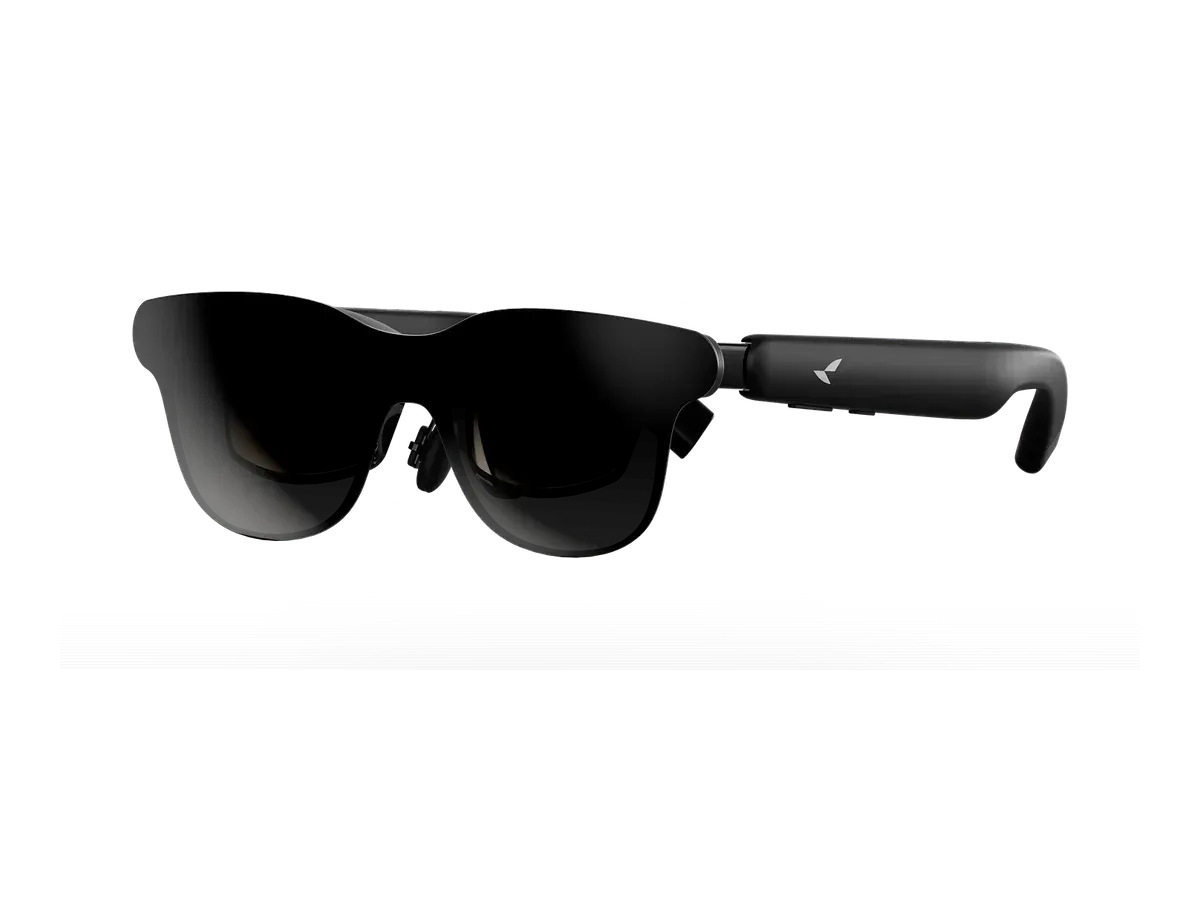
RayNeo
Evidence confidence: 3 of 4 scoring inputs documented
Why it ranks here:
- 49 pixels per degree (+50)
- 1200 nits brightness (+1)
- 68g weight (+1)
Best of
Every display pair with a published pixels-per-degree figure, sorted for crisp, readable text.
Our top pick for reading text is the RayNeo GT at $329.
Product data last updated
If you mostly read on your glasses, one number matters more than screen size or brightness: pixels per degree. It counts how many pixels fill each degree of your view. A big screen with low pixel density looks soft, while a smaller screen packed with pixels looks crisp. Around 40 pixels per degree, text starts to look like print. This ranking covers only display glasses whose maker has published a figure we could check, and sorts them on that number. Brightness, weight and lens dimming only break ties. The table below the picks shows each figure side by side.
| # | Pick | Price | Best for |
|---|---|---|---|
| 1 | RayNeo GT | $329 | Top pick overall |
| 2 | GOOVIS G3 Max 3D Head Mounted Display | $1,199 | Widest view here |
| 3 | Lenovo Legion Glasses 2 | $249.99 | Lowest price here |
| 4 | RayNeo Air 3s Pro AR/XR Glasses | $299 | — |
| 5 | RayNeo Air 3s | $269 | — |
| 6 | XREAL One | $399 | — |
Ranked by Text sharpness · Brightness · Weight · Lens dimming. Prices verified at Goovis Store for 1 of these picks; the other 5 were last verified on . Each product page shows its own date.
Every pick is scored on the same criteria — a spec the maker doesn’t publish scores zero, and the Best for column marks where a pick leads this list. How we rank and check prices
Pixels per degree is the number to look at when you shop for reading. It divides the pixels across the screen by how many degrees of your view they cover, so it tells you how fine the detail is wherever you look. Raw resolution does not tell you this, because the same panel looks softer when the optics spread it over a wider view. The optics explainer walks through the math.
Not every maker publishes the figure, so some well-known glasses are missing here. They may still read well; we simply cannot rank them without a number. For a list that weighs sharpness together with brightness, weight and computer support for desk work, see the AR glasses for work and virtual monitor ranking. Programmers have their own coding ranking, and if screen size matters more to you than crispness, the biggest virtual screen ranking sorts the other way.
Every eligible product is scored on the recorded specs below. Missing data scores zero — we never guess a value. Points shown next to each pick add up to its total score. Our full method
RayNeo
Evidence confidence: 3 of 4 scoring inputs documented
Why it ranks here:
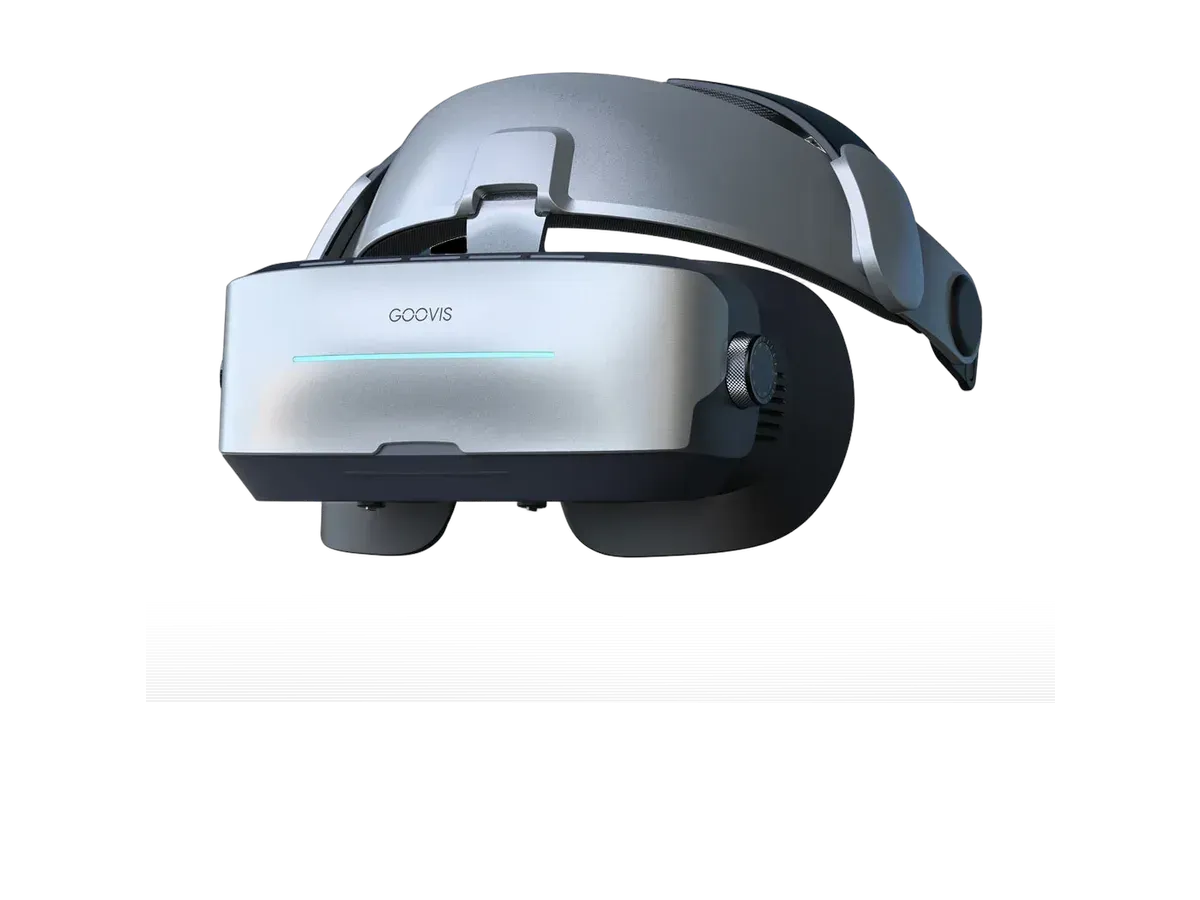
Goovis
Evidence confidence: 3 of 4 scoring inputs documented
Why it ranks here:
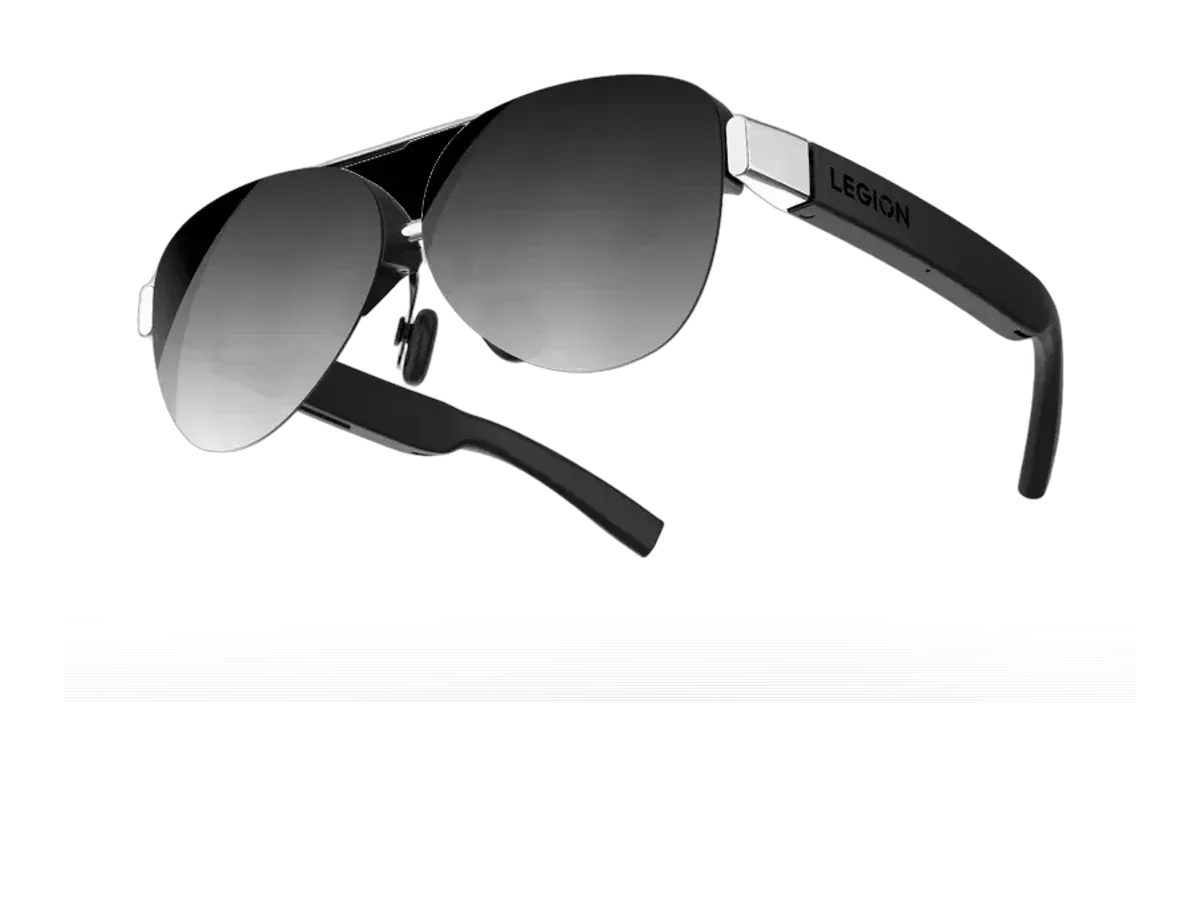
Lenovo
Evidence confidence: 4 of 4 scoring inputs documented
Why it ranks here:
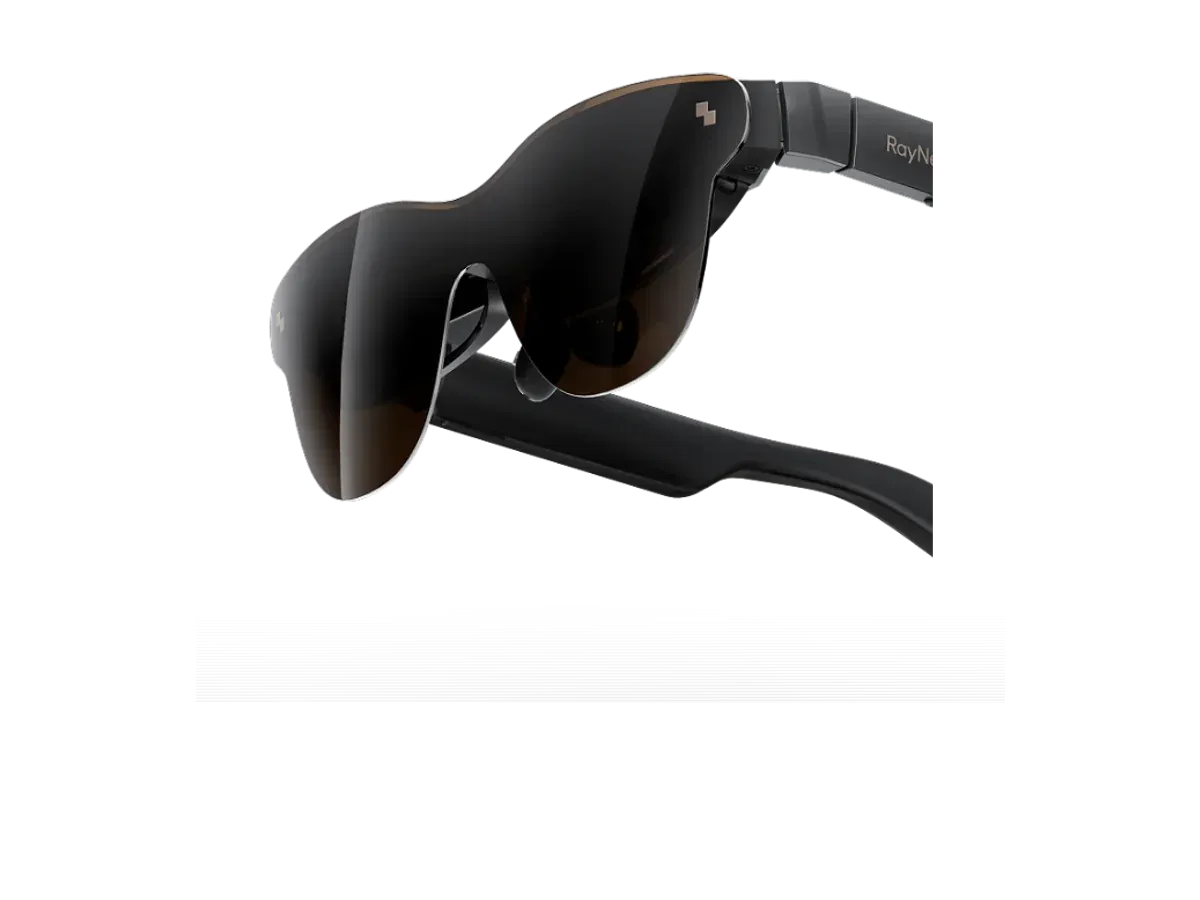
RayNeo
Evidence confidence: 4 of 4 scoring inputs documented
Why it ranks here:
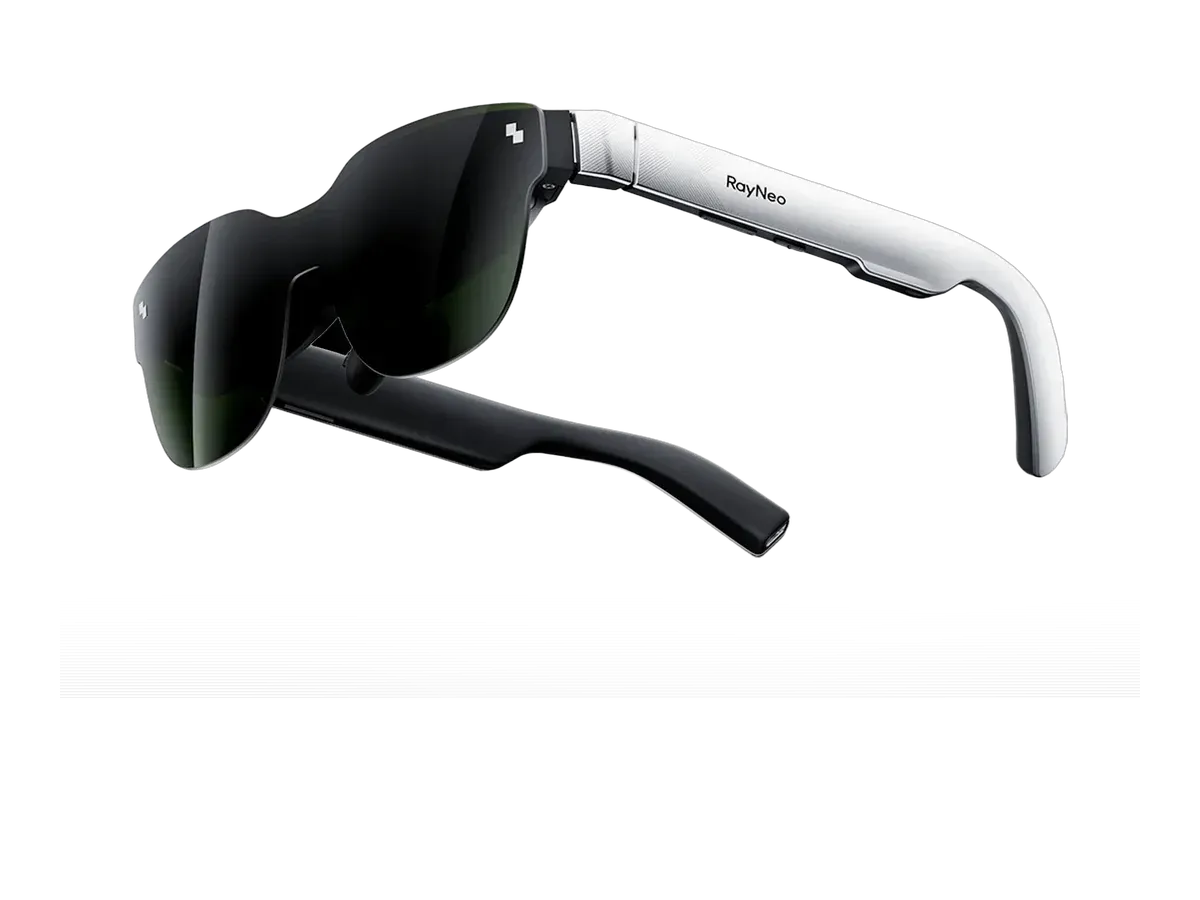
RayNeo
Evidence confidence: 4 of 4 scoring inputs documented
Why it ranks here:
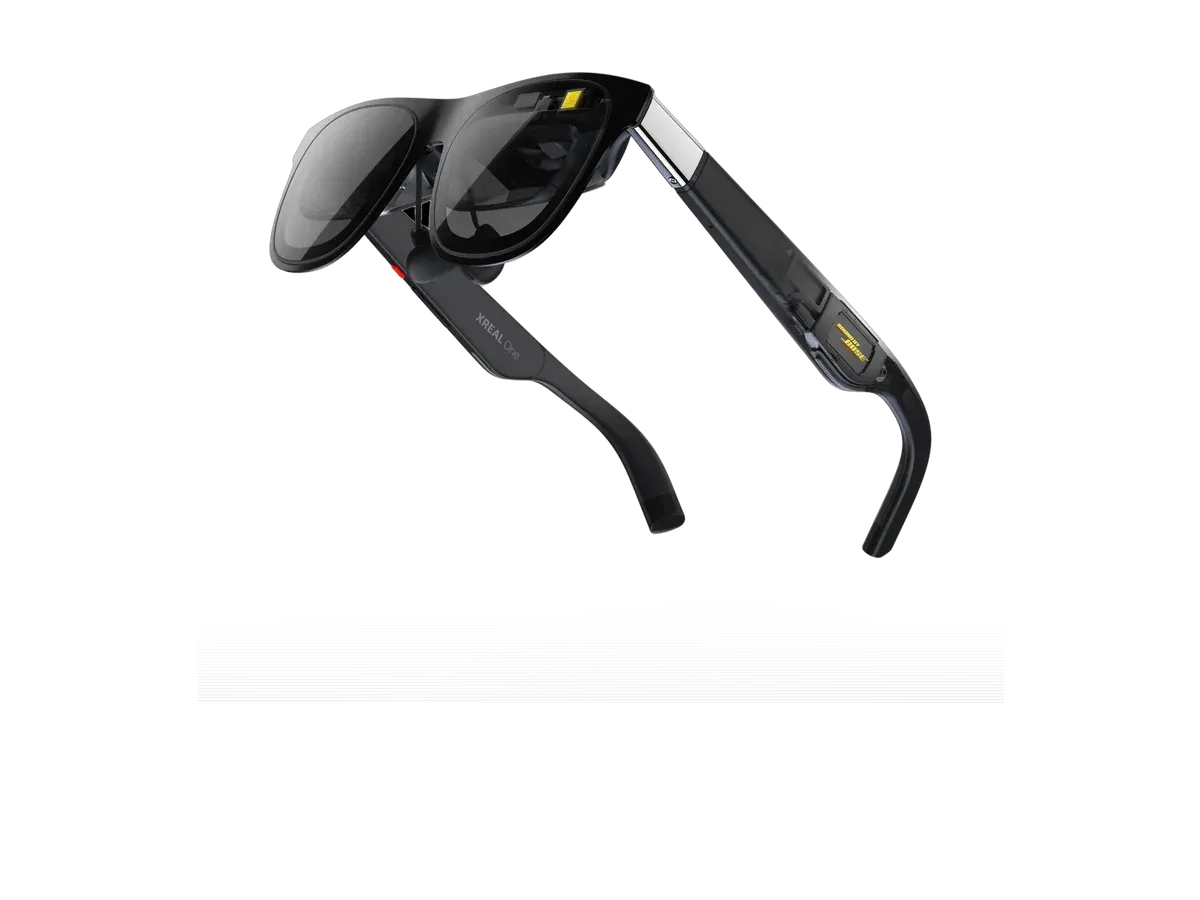
XREAL
Evidence confidence: 4 of 4 scoring inputs documented
Why it ranks here:
Readable text is the whole reason to work in glasses, and it comes down to pixels per degree (PPD) — how much detail lands in each degree of your view. Here is every ranked pick’s recorded PPD, the virtual screen size it projects, its brightness, and the work machines it plugs into. Where a maker publishes no PPD figure, the cell says “not recorded” rather than guessing. Planning a multi-monitor setup? Spreading work across several virtual screens is done by host software, not the glasses alone — our virtual monitor glasses guide walks through what each setup needs.
| Product | Sharpness (PPD) | Virtual screen | Brightness | Works with |
|---|---|---|---|---|
| RayNeo GT | 49 | 201-inch | 1200 nits | MacPC |
| GOOVIS G3 Max 3D Head Mounted Display | 45 | 1000-inch | — | MacPCiPad |
| Lenovo Legion Glasses 2 | 44 | 126-inch | 800 nits | MacPC |
| RayNeo Air 3s Pro AR/XR Glasses | 42 | 201-inch | 1200 nits | MacPC |
| RayNeo Air 3s | 42 | 201-inch | 650 nits | MacPC |
| XREAL One | 42 | 147-inch | 600 nits | MacPCDeXiPad |
Buy the GOOVIS G3 Max 3D Head Mounted Display if…
Buy the GOOVIS G3 Max 3D Head Mounted Display if you want the wider 65° field of view (vs 46°), you want adjustable lens dimming, you play on PlayStation, and you play on Xbox.
Buy the RayNeo GT if…
Buy the RayNeo GT if you want to spend $870 less ($329 vs $1199), you want the lighter 68g fit (vs 300g), you want HDR support, and you want spatial audio.
The ones with the highest pixels-per-degree figure. Among display glasses with a published number, the range runs from the high 30s to the mid 50s. This ranking is sorted on exactly that number, so the first pick is the sharpest pair on sale today among those with a published figure.
Yes. They work as a screen for whatever your phone, tablet or computer shows, including e-book apps, PDFs and web pages. For long reading, larger fonts and a dark background help, and lens dimming makes the text stand out more against the room.
Most of these glasses use panels about 1,920 pixels wide for each eye. Stretch the same pixels over a wider view and each degree gets fewer of them, so text looks softer. That is why some glasses with modest screen sizes read better than those claiming the biggest screen.
Plain-English explainers on the models and questions this ranking covers.
Rankings that share the most top picks with this one.
Provenance: use case derived from readers who want the crispest text from display glasses. Rankings are computed from recorded product specs only.