RayNeo Air 3s Pro AR/XR Glasses vs VITURE Luma XR
Side-by-side comparison of specs, features, and pricing
Specs updated
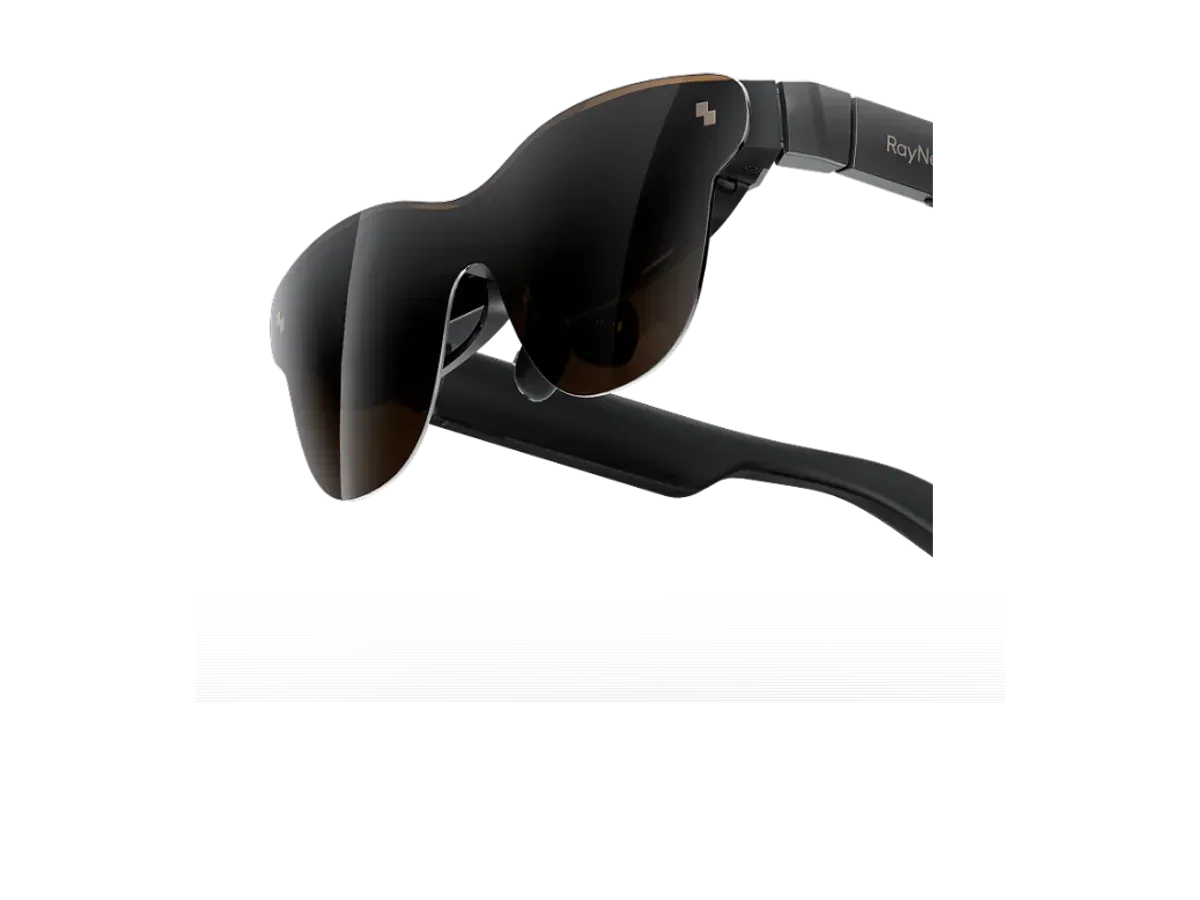
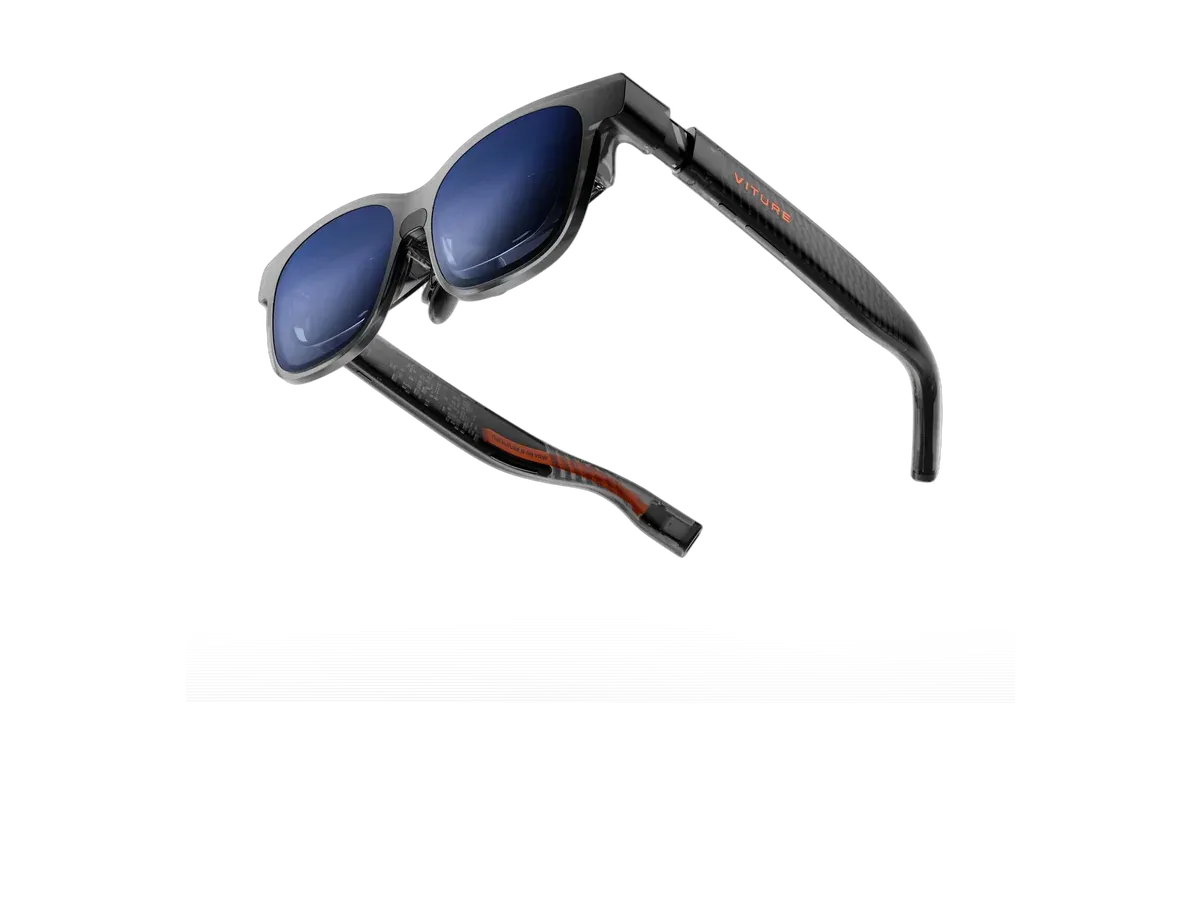
Which should you buy?
Bottom line: the RayNeo Air 3s Pro AR/XR Glasses is the better buy for most people at $100 less, unless you need the wider field of view.
We may earn a commission on purchases made through links on this page.
Buy the RayNeo Air 3s Pro AR/XR Glasses if…
- You want to spend $100 less ($299 vs $399)
- You need the brighter 1200-nit display (vs 1000 nits)
Buy the VITURE Luma XR if…
- You want the wider 50° field of view (vs 46°)
Verdict generated from the recorded spec differences shown in the table below — when a spec is missing for either product, it is left out rather than guessed.
See the full rankings
Specs Comparison
Specs last verified
| Specification |  RayNeo Air 3s Pro AR/XR Glasses $299 RayNeo Air 3s Pro AR/XR Glasses $299 |  VITURE Luma XR $399 VITURE Luma XR $399 |
|---|---|---|
| Price | ||
| Price | $299 | $399 |
| Display | ||
| Display type | Sony 0.6" tandem Micro-OLED (5.5th-gen, HueView 2.0) | Sony Micro-OLED (enhanced panels, 50% sharper than VITURE Pro) |
| Resolution | 1920x1080 | 1920x1200 |
| Pixels per degree | 42 | — |
| Field of view (°) | 46 | 50 |
| Refresh rate (Hz) | 120 | 120 |
| Brightness (nits) | 1200 | 1000 |
| Virtual screen size (in) | 201 | 146 |
| HDR support | — | ✕ No |
| Color support | Full color | Full color |
| Optics | ||
| Optics type | birdbath | birdbath |
| Dimming control | ✓ Yes | ✓ Yes |
| Transparency level | — | electrochromic film (0.5-40% transmittance) |
| Prescription support | ✓ Yes | ✓ Yes |
| Diopter range | Prescription lens frame support (lenses separate) | 0.00 to -6.00 |
| Physical | ||
| Weight (g) | 76 | 77 |
| Frame style | — | wraparound |
| Color options | — | Translucent Black |
| Foldable | ✕ No | ✓ Yes |
| Battery & power | ||
| Charging method | — | USB-C (powered by connected device) |
| Connectivity | ||
| Connectivity | USB-C (DP Alt Mode) | USB-C |
| Tethered | — | ✓ Yes |
| Compatible devices | Android, iOS, PC, Mac, Steam Deck, Nintendo Switch 2, PlayStation, Xbox, ROG Ally | Android, iOS, PC, Mac, Steam Deck, Nintendo Switch, PlayStation, Xbox, ROG Ally |
| Computing | ||
| Processing type | — | tethered |
| Operating system | None (plug-and-play external display); optional RayNeo Pocket TV host | iPhone, Android, Mac, PC, Steam Deck, Switch/Switch 2 (via adapters) |
| Chipset | None (tethered display glasses) | None on-device (host-powered; SpaceWalker app ecosystem) |
| Sensors & input | ||
| Camera | ✕ No | ✕ No |
| Microphones | — | 2 |
| Speakers | open-ear · spatial audio | directional · spatial audio |
| Tracking | 0DoF | 3DoF |
Buy the RayNeo Air 3s Pro AR/XR Glasses
Buy the VITURE Luma XR
Keep shopping
Jump straight to full specs and where to buy either model, or keep exploring related picks.
More ways to decide
All VITURE vs RayNeo comparisons
RayNeo Air 3s Pro AR/XR Glasses vs VITURE Luma XR: FAQs
Which is newer: the RayNeo Air 3s Pro AR/XR Glasses or the VITURE Luma XR?
The VITURE Luma XR is newer, released September 2025, versus August 2025 for the RayNeo Air 3s Pro AR/XR Glasses.
Which is cheaper: the RayNeo Air 3s Pro AR/XR Glasses or the VITURE Luma XR?
The RayNeo Air 3s Pro AR/XR Glasses costs $299 and the VITURE Luma XR costs $399, making the RayNeo Air 3s Pro AR/XR Glasses $100 cheaper.
Which has the larger field of view: the RayNeo Air 3s Pro AR/XR Glasses or the VITURE Luma XR?
The VITURE Luma XR has the larger field of view: RayNeo Air 3s Pro AR/XR Glasses measures 46 degrees vs 50 degrees for the VITURE Luma XR.
Which is lighter: the RayNeo Air 3s Pro AR/XR Glasses or the VITURE Luma XR?
The RayNeo Air 3s Pro AR/XR Glasses is lighter at 76g. The RayNeo Air 3s Pro AR/XR Glasses weighs 76g and the VITURE Luma XR weighs 77g.
Which has the brighter display: the RayNeo Air 3s Pro AR/XR Glasses or the VITURE Luma XR?
The RayNeo Air 3s Pro AR/XR Glasses is brighter at 1200 nits (RayNeo Air 3s Pro AR/XR Glasses: 1200 nits, VITURE Luma XR: 1000 nits).
What is the main difference between the RayNeo Air 3s Pro AR/XR Glasses and the VITURE Luma XR?
Based on recorded specs, the RayNeo Air 3s Pro AR/XR Glasses leads on price ($100 cheaper) while the VITURE Luma XR leads on field of view (4 degrees wider FOV).