Most people land here because of two famous machines, so the status of those comes first, honestly — then the four head-mounted devices you can actually deploy in 2026.
The two famous names, straight
The Microsoft HoloLens 2 is discontinued. Microsoft’s own support channel confirms the wind-down: updates for critical security issues and customer and developer support continue only through the end of 2027, per the company’s statements collected on Microsoft’s Q&A thread — a later Microsoft note in the same thread puts the final end-of-support date at February 28, 2028. Existing fleets keep working until then; a new deployment on dead hardware is a plan with an expiry date. The Magic Leap 2 tells the same story from the other side: Magic Leap’s own site now leads with waveguide optics and prototyping for partners — supplier language, not headset sales — and the ML2 does not appear as a product on its homepage at all. Both records in this catalog carry discontinued status, which is why neither appears in the ranking above as something to buy.
The headset class, and why it is not a glasses decision
Everything ranked here is head-mounted compute: its own processor, battery and work display, issued to a team and managed like IT equipment. The recorded weights run 179 to 270 grams — three to six times a pair of smart glasses — and that weight buys shift-grade batteries, rugged builds, mounting systems for hardhats and safety frames, and displays positioned for work instructions rather than style. If the people wearing the device drive forklifts, wear gloves, or work under a brim, this is the class; if they sit in meetings, the glasses pages serve that buyer better.
Who each live pick is for
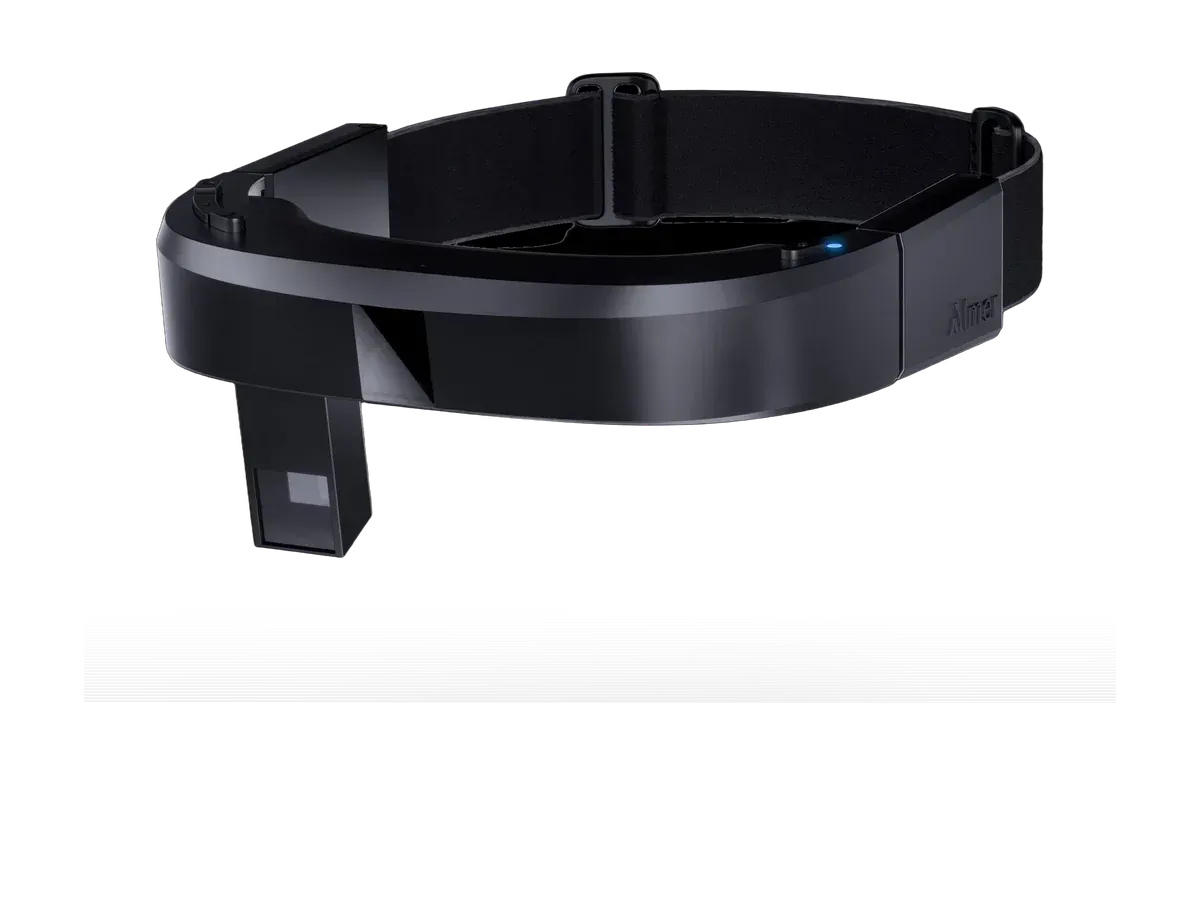
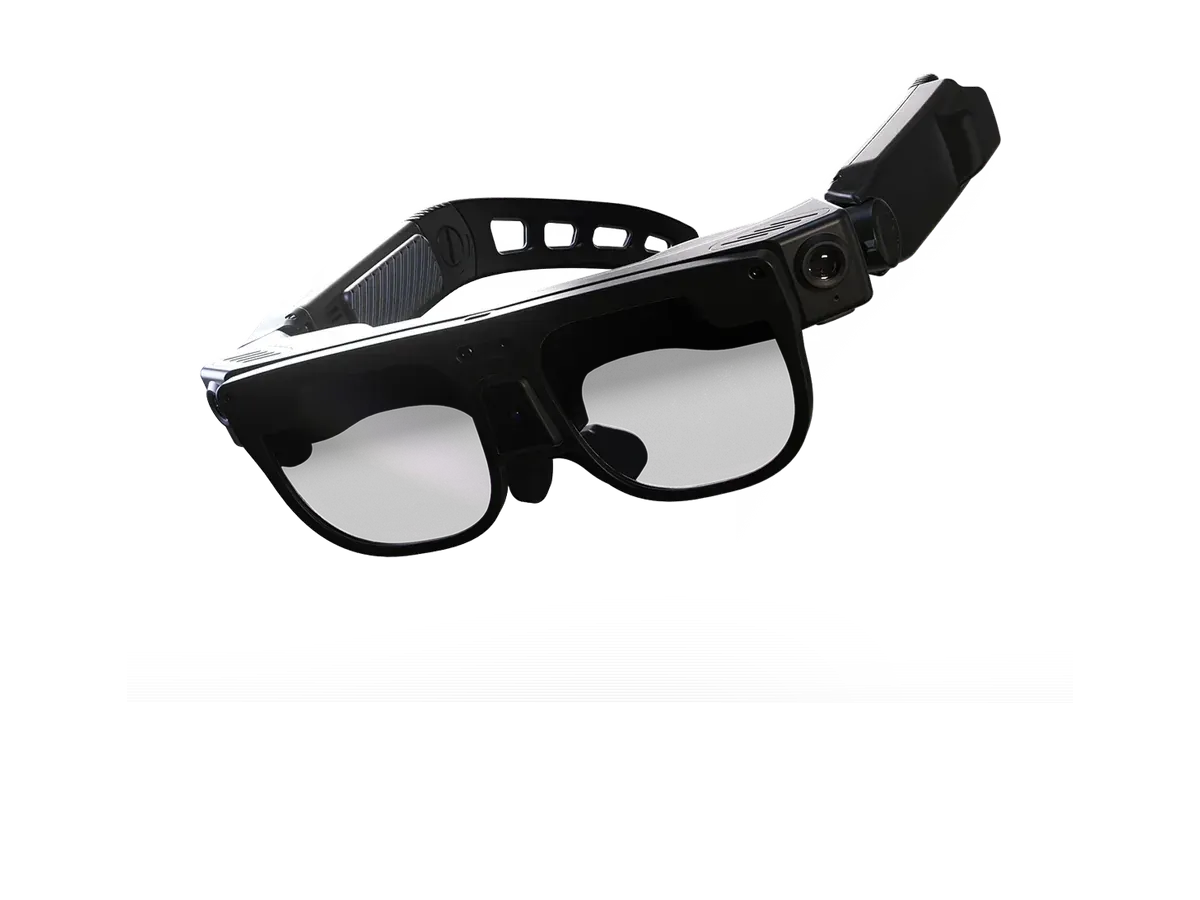
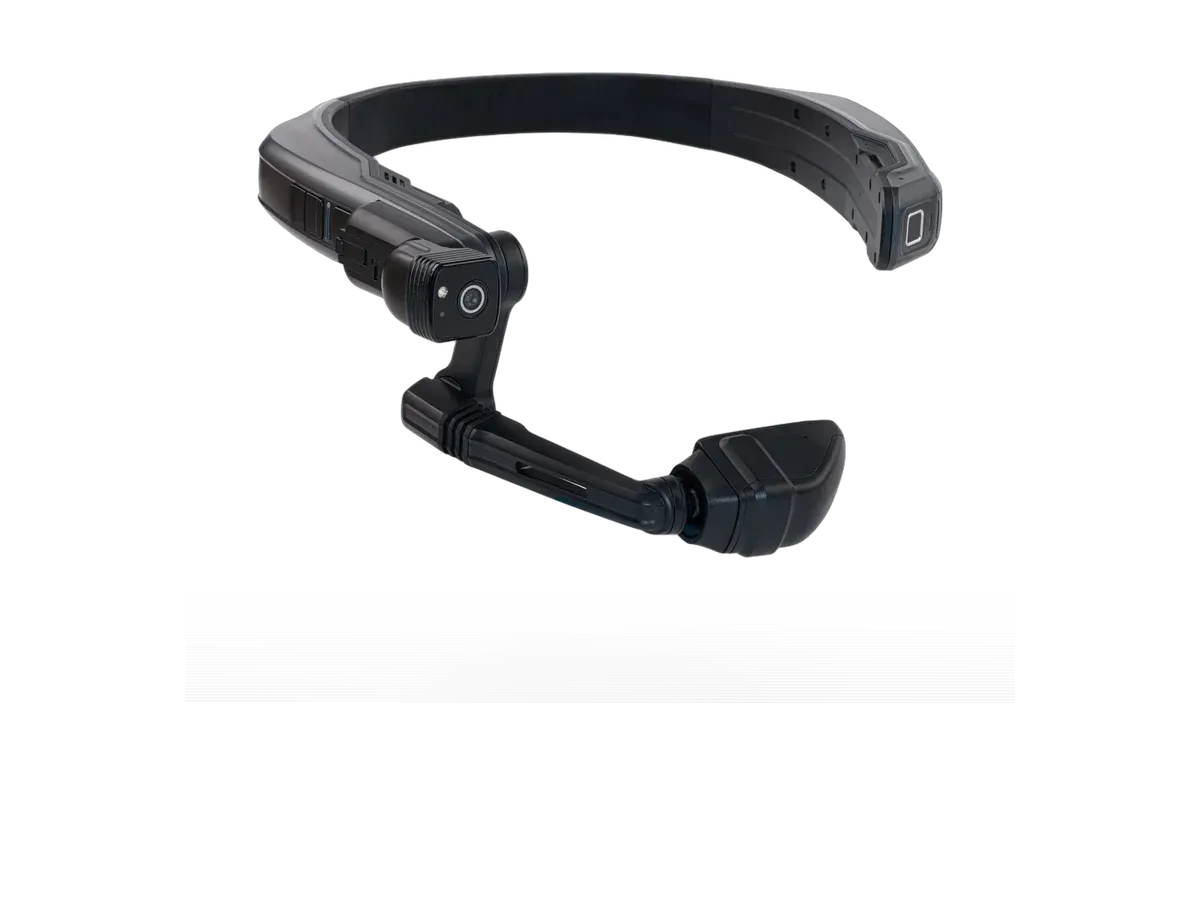
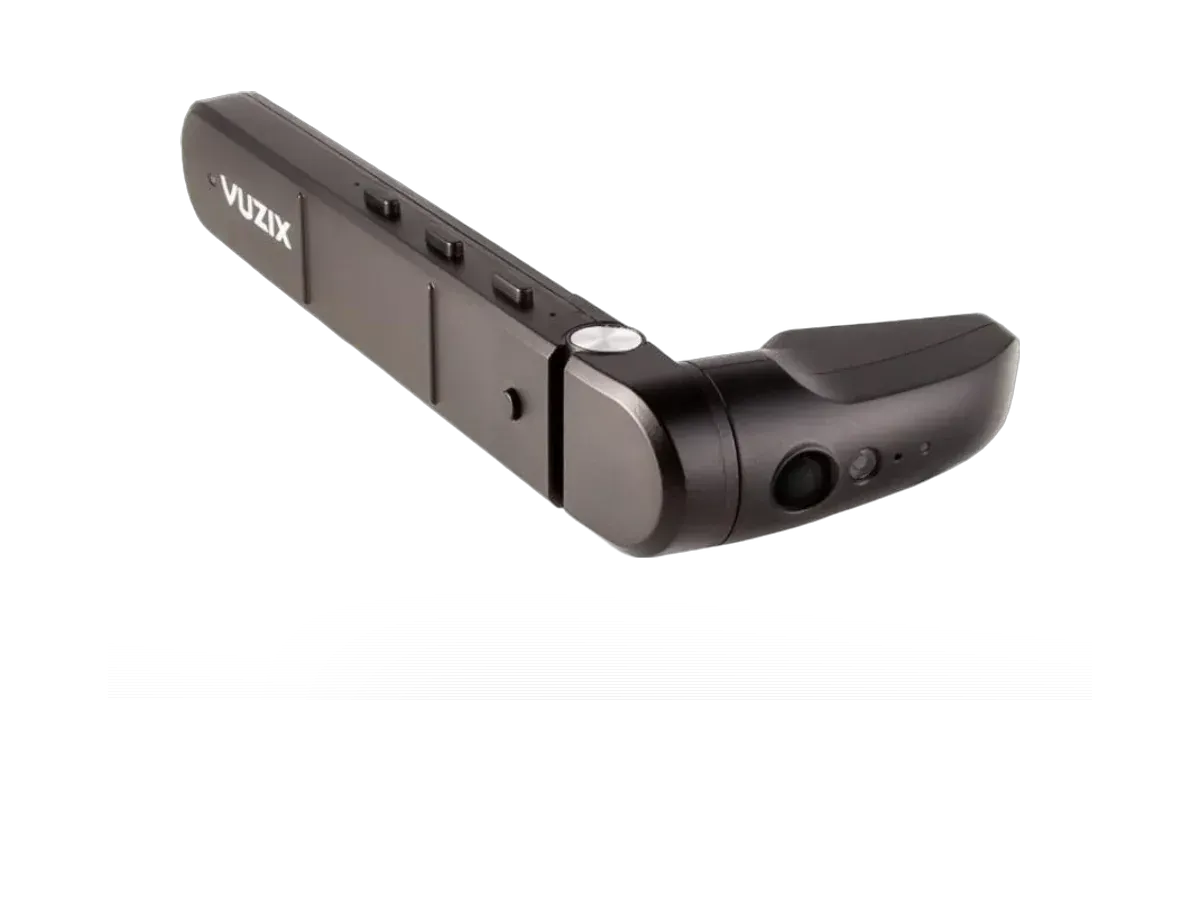
The Almer Arc 2 wins the ranking on recorded comfort-per-capability: Almer’s page commits to 179 grams — the class’s lightest — with a 1080p full-HD monocular panel, four beamforming microphones rated to cut through 95 decibels, and a packaged, subscription-style offering with Intune and Ivanti fleet management. The DigiLens ARGO carries the widest recorded display window here (a 30-degree field of view) in a rugged standalone build, sold on quotes. The RealWear Navigator 520 is the voice-first workhorse — operated entirely by spoken commands across 200-plus voice-optimized apps, with hot-swap batteries, at a recorded $3,150. And the Vuzix M400 is the proven modular unit: IP67, two-meter drop safety, hot-swappable packs and hardhat mounting at a recorded $1,499.99, with Android 13 support committed through 2028.
Where this page hands off
If the actual task is the picking loop — scan, confirm, next — the same four devices are re-ranked for that specific workflow on the warehouse picking page, where a different winner emerges because the question changes. For desk work on a laptop, the glasses-class pages (the monitor glasses ranking among them) serve the buyer this page deliberately does not.