#1
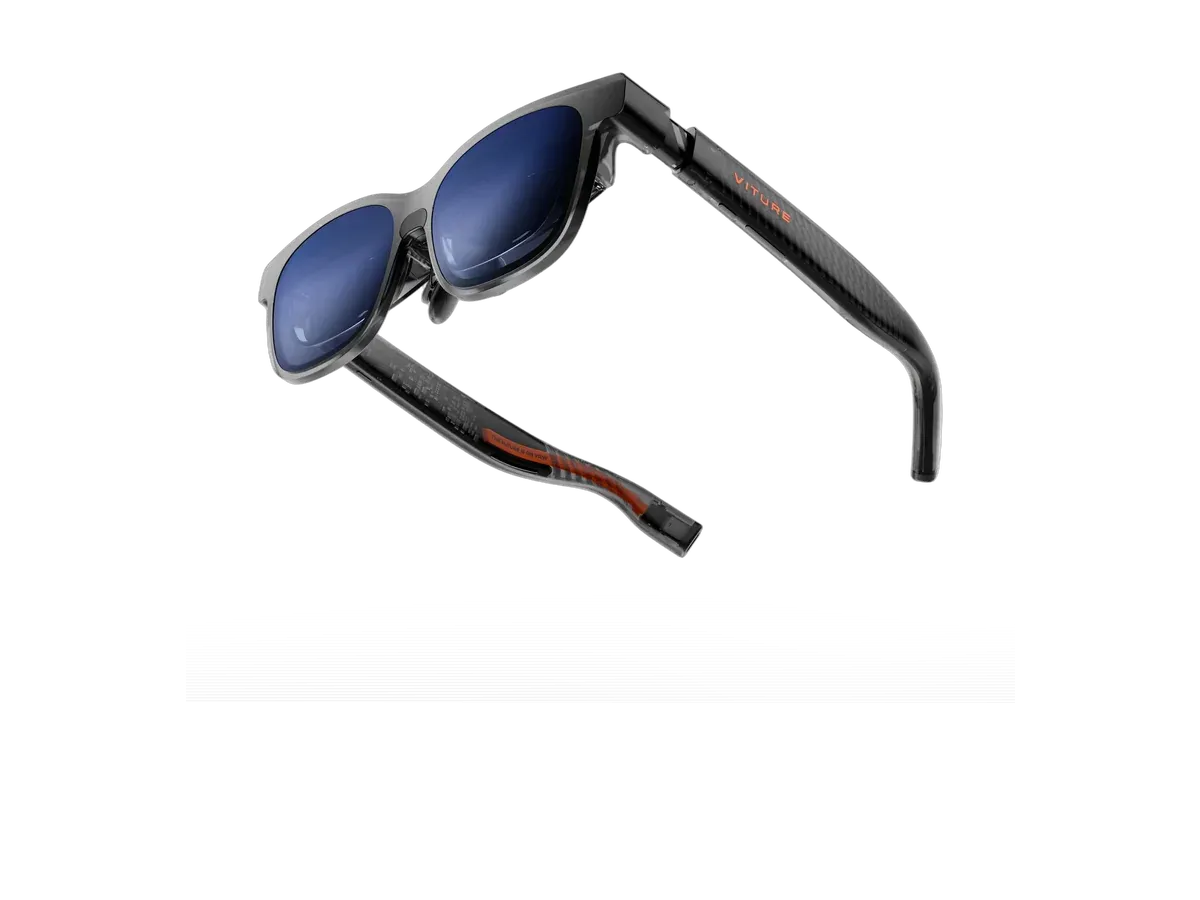
VITURE
Evidence confidence: 6 of 6 scoring inputs documented
Why it ranks here:
- turns ordinary 2D video into 3D (+25)
- 50° field of view (+18)
- 1000 nits brightness (+15)
- 77g weight (+10)
- adjustable lens dimming (+10)
- spatial audio (+10)
Best of
Glasses that play 3D video or convert 2D to 3D, ranked for picture size, brightness and comfort.
Our top pick for 3D movies is the VITURE Luma XR at $399.
Product data last updated
Display glasses have a separate screen for each eye, which is exactly what 3D video needs. Some models play side-by-side 3D files, and a newer group can turn ordinary 2D video into 3D as it plays. This page includes only models whose maker lists one of those features: 2D-to-3D conversion on the VITURE Luma XR, XREAL 1S and RayNeo Air 4 Pro, and 3D playback on the RayNeo GT Max and GOOVIS G3 Max. The INAIR 2 Pro also converts 2D to 3D, but INAIR's store showed it sold out on November 15, 2026, so it isn't ranked here. We rank them on how they do 3D, then field of view, brightness, weight and dimming.
| # | Pick | Price | Best for |
|---|---|---|---|
| 1 | VITURE Luma XR | $399 | Top pick overall |
| 2 | XREAL 1S | $449 | — |
| 3 | RayNeo Air 4 Pro | $299 | Lowest price here |
| 4 | RayNeo GT Max | $429 | — |
| 5 | GOOVIS G3 Max 3D Head Mounted Display | $1,199 | Widest view here |
Ranked by 3D support · Field of view · Brightness · Weight · Lens dimming · Spatial audio. Prices verified at Goovis Store for 1 of these picks; the other 4 were last verified on . Each product page shows its own date.
Every pick is scored on the same criteria — a spec the maker doesn’t publish scores zero, and the Best for column marks where a pick leads this list. How we rank and check prices
3D works on display glasses because each eye already has its own screen. There are two ways to use it. Side-by-side 3D files, the format most 3D video is shared in, play natively on glasses that support them. 2D-to-3D conversion is newer: a chip in the glasses or the maker’s app builds depth from ordinary video as it plays, so any film or show can be watched in 3D, though the effect is usually gentler than a film shot in 3D.
For films in 2D, which is still most of what people watch, the movies and travel ranking scores every pair on picture size, dimming, weight and sound. The big screen glasses guide covers streaming apps and downloads. If you want to compare two of the glasses below side by side, use the comparison tool.
Every eligible product is scored on the recorded specs below. Missing data scores zero — we never guess a value. Points shown next to each pick add up to its total score. Our full method
VITURE
Evidence confidence: 6 of 6 scoring inputs documented
Why it ranks here:
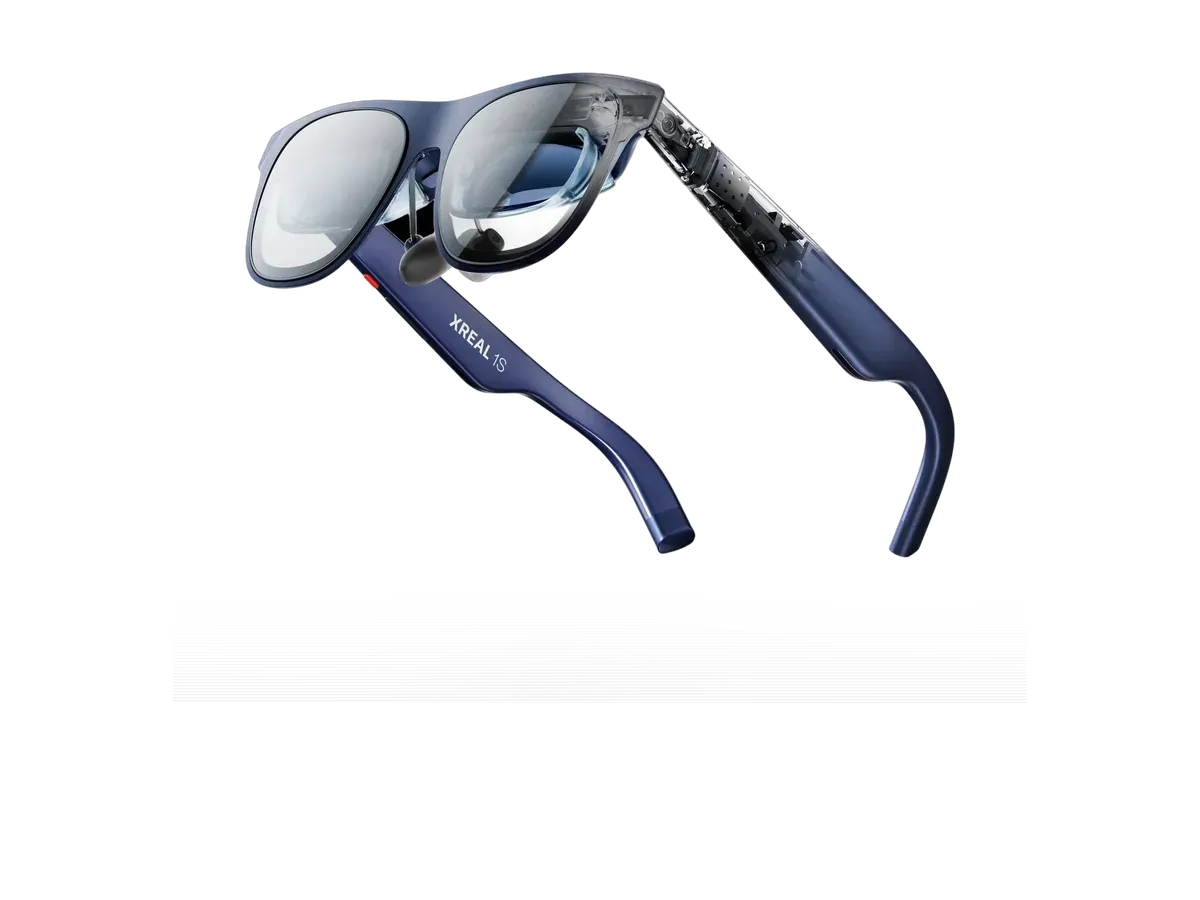
XREAL
Evidence confidence: 6 of 6 scoring inputs documented
Why it ranks here:
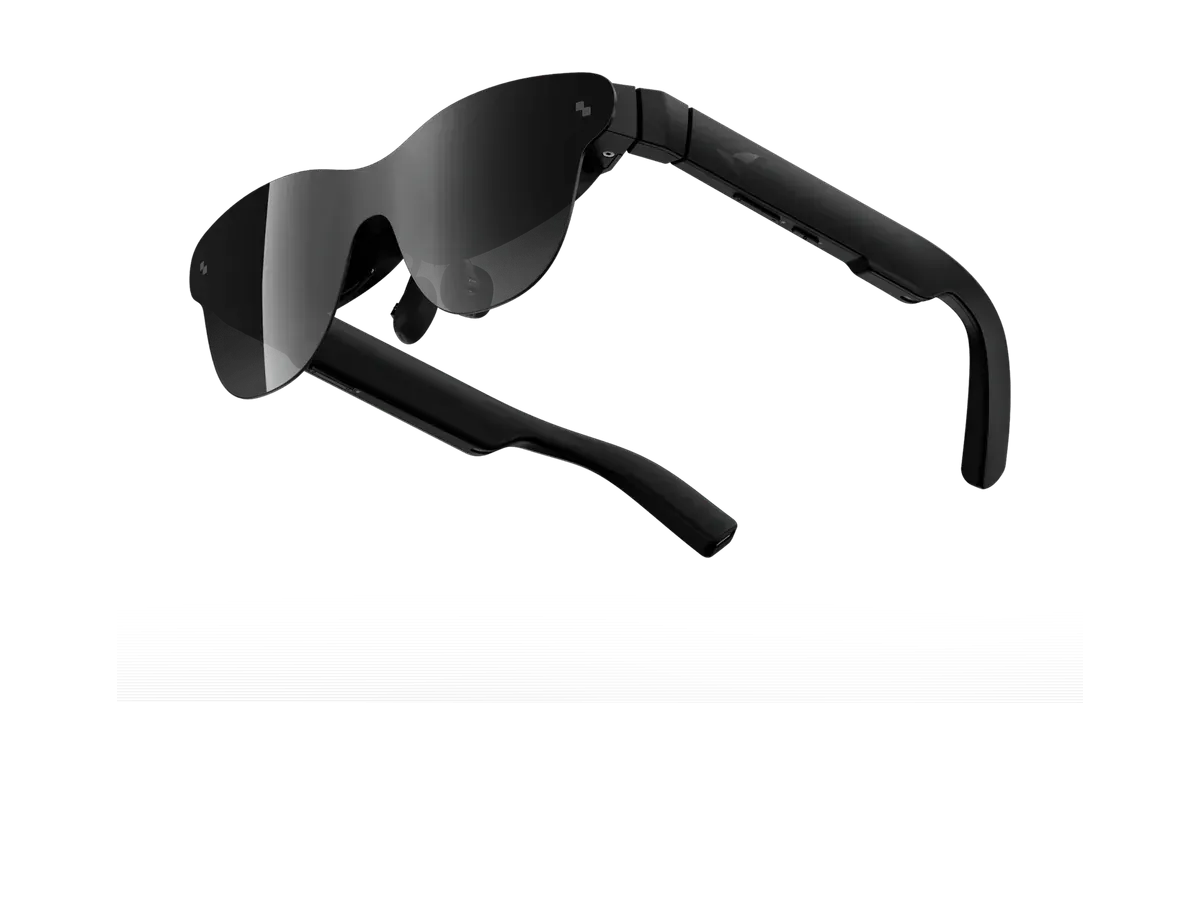
RayNeo
Evidence confidence: 6 of 6 scoring inputs documented
Why it ranks here:
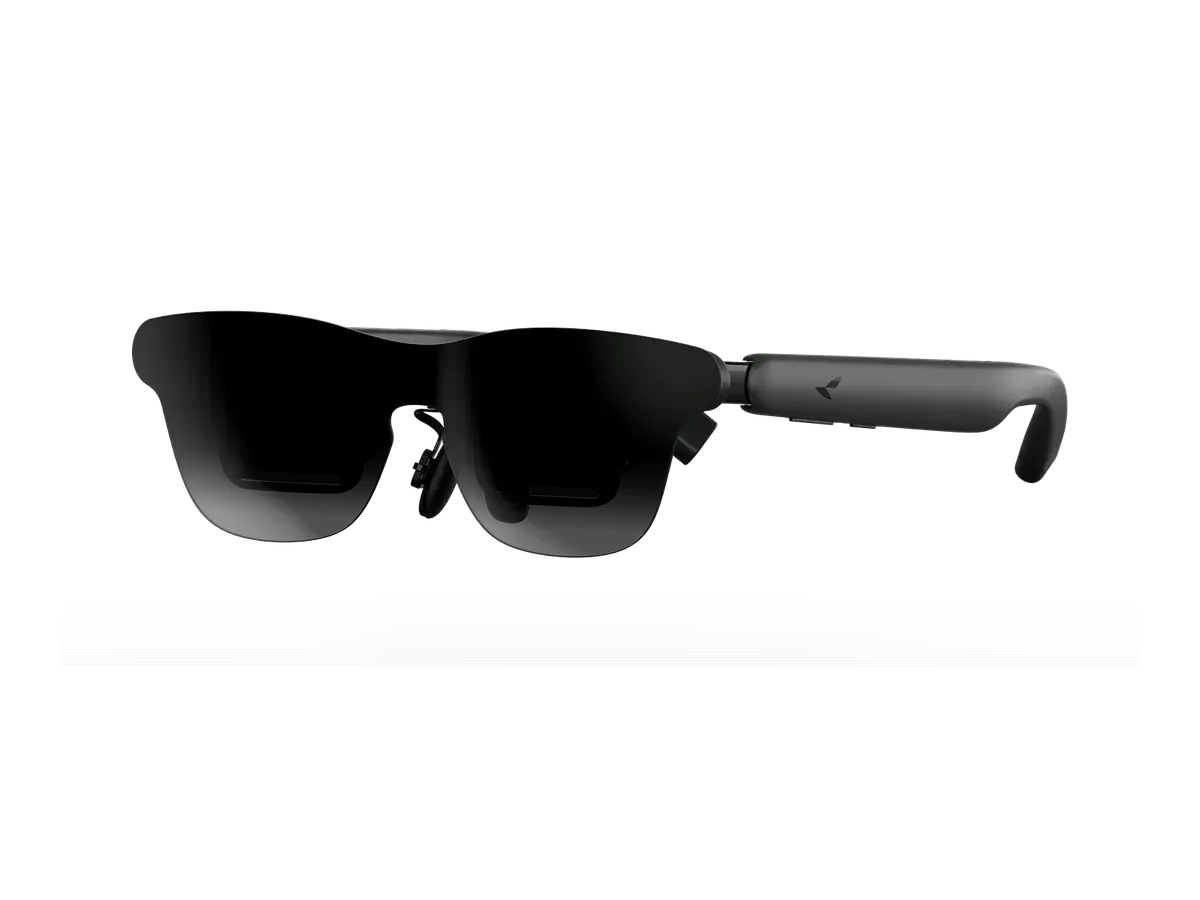
RayNeo
Evidence confidence: 6 of 6 scoring inputs documented
Why it ranks here:
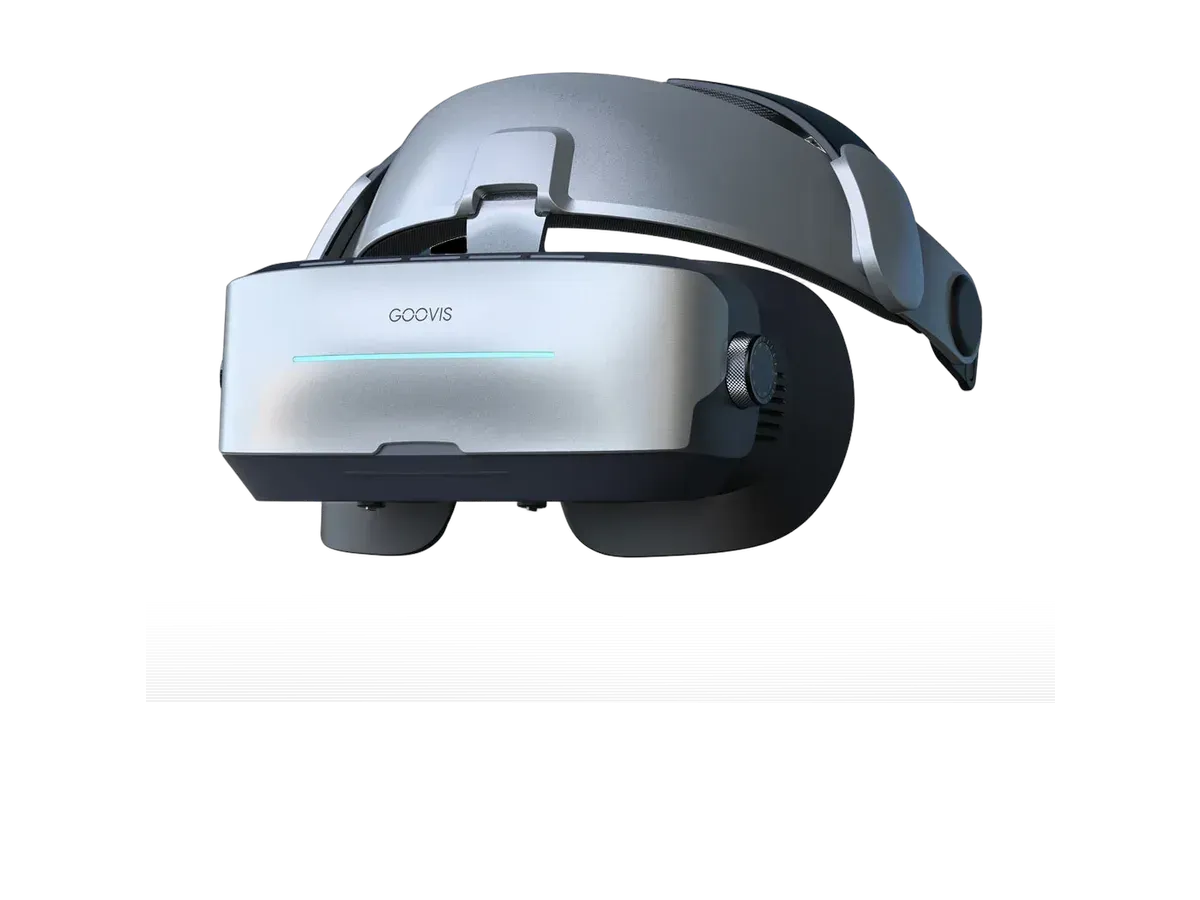
Goovis
Evidence confidence: 4 of 6 scoring inputs documented
Why it ranks here:
Buy the VITURE Luma XR if…
Buy the VITURE Luma XR if you want to spend $50 less ($399 vs $449), you need the brighter 1000-nit display (vs 700 nits), and you want the lighter 77g fit (vs 82g).
Yes. Because each eye has its own screen, display glasses can show a slightly different picture to each eye, which is how 3D works. Several makers support side-by-side 3D files, and some can convert regular 2D video into 3D in real time.
A chip or app guesses the depth in a normal video and builds a separate view for each eye as it plays. It works on any film or show, not just 3D releases. The effect is usually milder than a film made in 3D, and some people find it more natural than others.
Some people get tired eyes or headaches from 3D on any screen, and glasses are no different. Start with short sessions, make sure the glasses fit well and are set for your eyes, and switch back to 2D if it feels uncomfortable.
Plain-English explainers on the models and questions this ranking covers.
Rankings that share the most top picks with this one.
Provenance: use case derived from film fans who want 3D movies or 2D-to-3D conversion on a wearable screen. Rankings are computed from recorded product specs only.