GOOVIS G3 Max 3D Head Mounted Display vs VITURE One XR Glasses
Side-by-side comparison of specs, features, and pricing
Specs updated
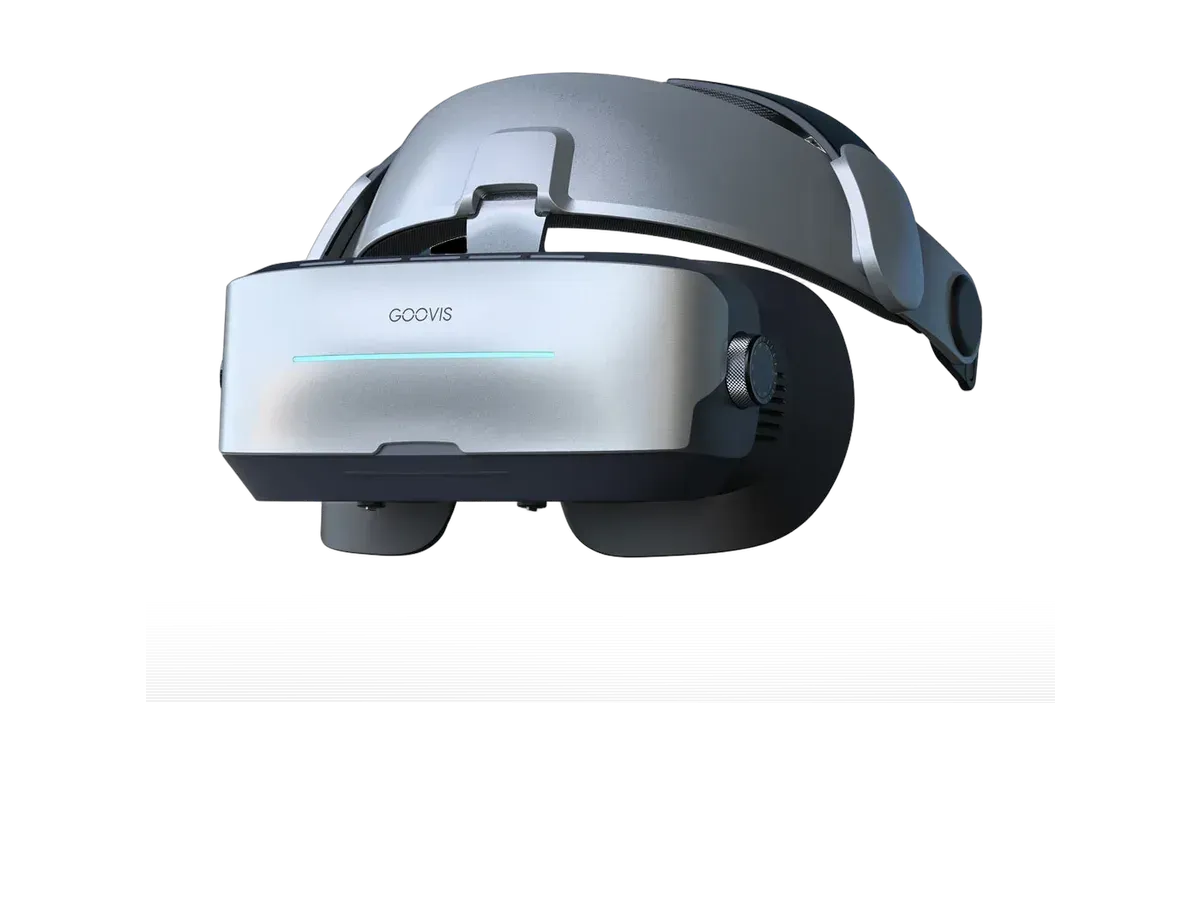
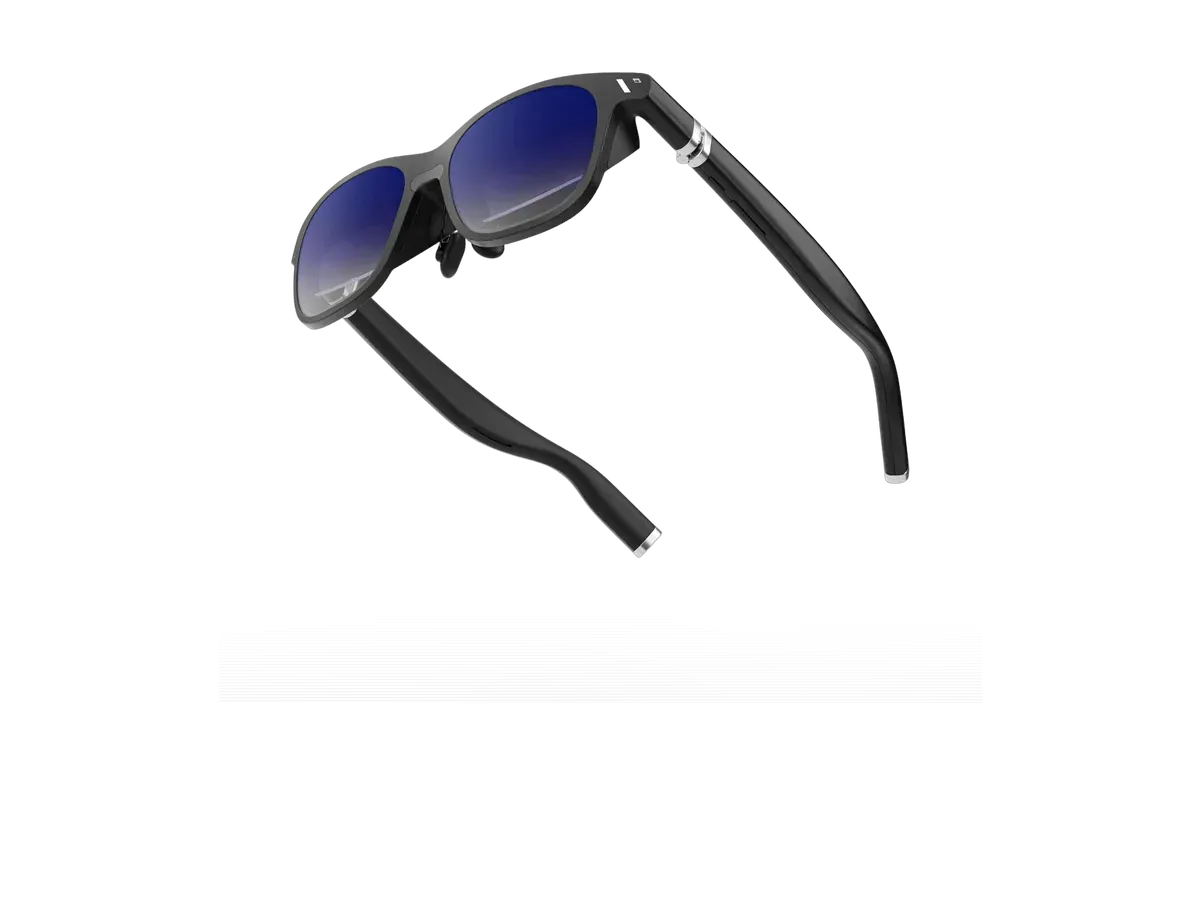
Which should you buy?
Bottom line: the VITURE One XR Glasses is the better buy for most people at $650 less, unless you need the wider field of view.
We may earn a commission on purchases made through links on this page.
Buy the GOOVIS G3 Max 3D Head Mounted Display if…
- You want the wider 65° field of view (vs 43°)
- You want smoother 120Hz motion (vs 60Hz)
- You play on Steam Deck
- You play on PlayStation
Buy the VITURE One XR Glasses if…
- You want to spend $650 less ($549 vs $1199)
- You want the lighter 78g fit (vs 300g)
Verdict generated from the recorded spec differences shown in the table below — when a spec is missing for either product, it is left out rather than guessed.
See the full rankings
Specs Comparison
Specs last verified
| Specification |  GOOVIS G3 Max 3D Head Mounted Display $1,199 GOOVIS G3 Max 3D Head Mounted Display $1,199 |  VITURE One XR Glasses $549 VITURE One XR Glasses $549 |
|---|---|---|
| Price | ||
| Price | $1,199 | $549 |
| Display | ||
| Display type | Dual 0.83" Micro-OLED, 3528 ppi | Sony Micro-OLED |
| Resolution | 2560x1440 | 1920x1080 |
| Pixels per degree | 45 | — |
| Field of view (°) | 65 | 43 |
| Refresh rate (Hz) | 120 | 60 |
| Virtual screen size (in) | 1000 | 120 |
| Color support | Full color | Full color |
| Optics | ||
| Optics type | aspheric | birdbath |
| Dimming control | ✓ Yes | ✓ Yes |
| Prescription support | ✓ Yes | ✓ Yes |
| Diopter range | Per-eye diopter adjustment +2.0D to -7.0D in 0.5D steps with digital feedback | Built-in myopia adjustment dials up to -5.0D |
| Physical | ||
| Weight (g) | 300 | 78 |
| Foldable | ✕ No | ✕ No |
| Battery & power | ||
| Battery life (hours) | 3 | — |
| Connectivity | ||
| Connectivity | USB-C (DP Alt Mode) | USB-C (DP Alt Mode) |
| Compatible devices | Android, iPhone 15/16, PC, Mac, Steam Deck, ROG Ally, PlayStation 5, Xbox, Lenovo Legion Go, iPad | — |
| Computing | ||
| Operating system | None (display); Android TV via optional D4H1 controller | Steam Deck, Android, laptops via USB-C; consoles via dock; Neckband standalone |
| Chipset | None in headset; optional D4H1 Android TV media player dongle | None on-device; optional Neckband accessory ran Android app ecosystem |
| Sensors & input | ||
| Camera | ✕ No | ✕ No |
| Speakers | open-ear | directional |
| Tracking | 0DoF | 3DoF |
Buy the GOOVIS G3 Max 3D Head Mounted Display
Buy the VITURE One XR Glasses
Keep shopping
Jump straight to full specs and where to buy either model, or keep exploring related picks.
More ways to decide
GOOVIS G3 Max 3D Head Mounted Display vs VITURE One XR Glasses: FAQs
Which is newer: the GOOVIS G3 Max 3D Head Mounted Display or the VITURE One XR Glasses?
The GOOVIS G3 Max 3D Head Mounted Display is newer, released December 2023, versus November 2022 for the VITURE One XR Glasses.
Which is cheaper: the GOOVIS G3 Max 3D Head Mounted Display or the VITURE One XR Glasses?
The GOOVIS G3 Max 3D Head Mounted Display costs $1199 and the VITURE One XR Glasses costs $549, making the VITURE One XR Glasses $650 cheaper.
Which has the larger field of view: the GOOVIS G3 Max 3D Head Mounted Display or the VITURE One XR Glasses?
The GOOVIS G3 Max 3D Head Mounted Display has the larger field of view: GOOVIS G3 Max 3D Head Mounted Display measures 65 degrees vs 43 degrees for the VITURE One XR Glasses.
Which is lighter: the GOOVIS G3 Max 3D Head Mounted Display or the VITURE One XR Glasses?
The VITURE One XR Glasses is lighter at 78g. The GOOVIS G3 Max 3D Head Mounted Display weighs 300g and the VITURE One XR Glasses weighs 78g.
What is the main difference between the GOOVIS G3 Max 3D Head Mounted Display and the VITURE One XR Glasses?
Based on recorded specs, the GOOVIS G3 Max 3D Head Mounted Display leads on field of view (22 degrees wider FOV) while the VITURE One XR Glasses leads on price ($650 cheaper).