#1
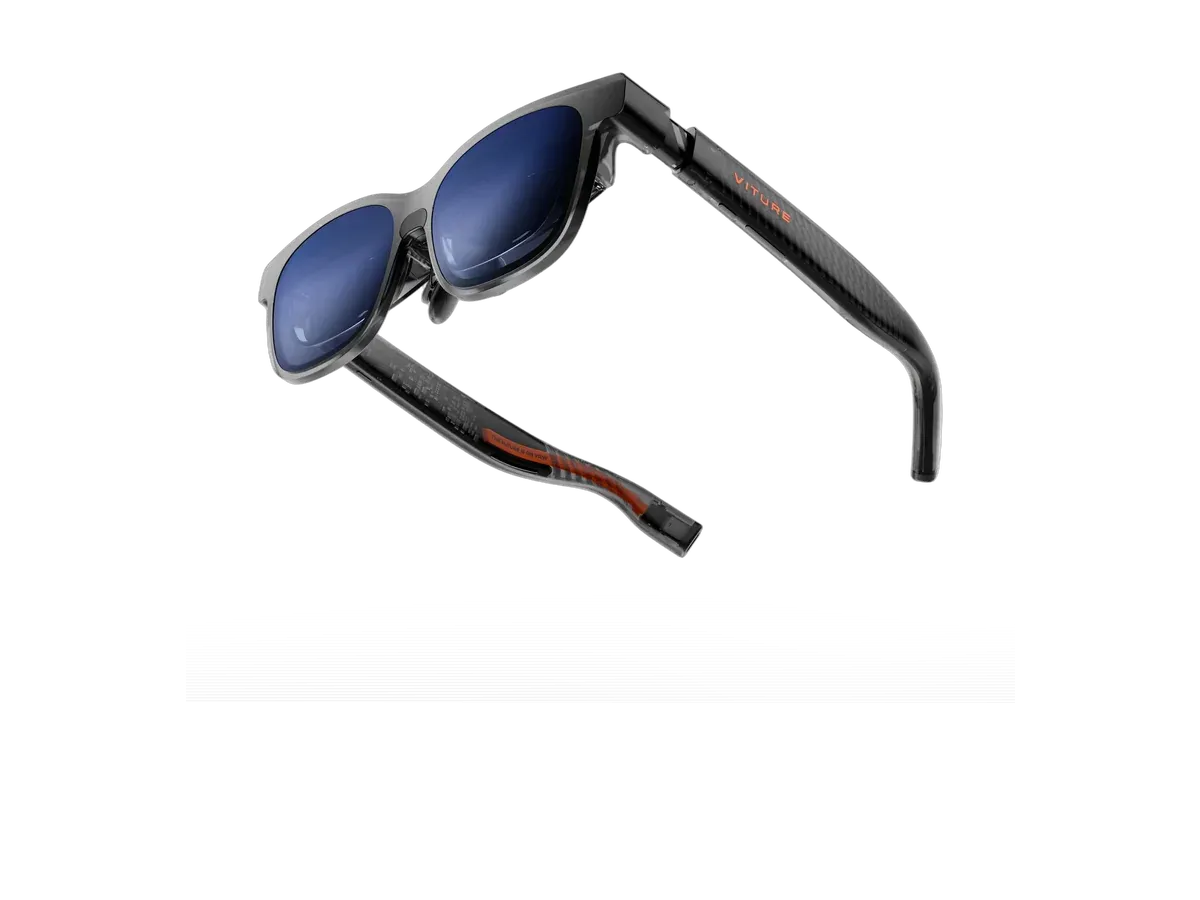
VITURE
Evidence confidence: 6 of 6 scoring inputs documented
Why it ranks here:
- maker-published dial range -6D to 0D (+25)
- 77g weight (+14)
- 50° field of view (+10)
- adjustable lens dimming (+5)
- folds like regular glasses (+5)
Best of
Every model with a built-in diopter dial, what the dials cover, and when you still need prescription lenses.
Our top pick for built-in vision correction is the VITURE Luma XR at $399.
Product data last updated
Smart glasses with built-in vision correction handle nearsightedness with a dial on the frame instead of custom lenses — smart glasses for myopia in the most literal sense. Turn the adjustment until text sharpens: no optician, no waiting, and a shared pair suits more than one wearer. The limit is what a dial can do. Makers publish sphere-only ranges, so these work as smart glasses for nearsighted wearers inside each published range, while astigmatism and stronger prescriptions still need an insert or lens-frame route. If you searched ar glasses with diopter adjustment, this ranking is exactly that feature: every pick carries a maker-published dial range, scored alongside the usual comfort and display floor.
| # | Pick | Price | Best for |
|---|---|---|---|
| 1 | VITURE Luma XR | $399 | Top pick overall |
| 2 | Rokid Max 2 | $299 | Lowest price here |
| 3 | Brilliant Labs Halo AI Glasses | $399 | Lightest frame here |
| 4 | Rokid AR Spatial | $449 | — |
| 5 | GOOVIS G3 Max 3D Head Mounted Display | $1,199 | Widest view here |
| 6 | VITURE Pro 2 XR Glasses | $299 | Brightest display here |
Ranked by Published dial range · Farsighted coverage · Weight · Display · Lens dimming · Foldable design. Prices verified at Goovis Store for 1 of these picks; the other 5 were last verified on . Each product page shows its own date.
Every pick is scored on the same criteria — a spec the maker doesn’t publish scores zero, and the Best for column marks where a pick leads this list. How we rank and check prices
A dial cannot replace an optician — it can only move a lens. That is the whole trade this page ranks. Built-in vision correction means the maker mounted the focus adjustment on the frame: the Rokid Max 2 publishes 0.00D to -6.00D of myopia correction on its own product page, VITURE’s Luma XR states a -6.0D myopia adjustment, and every pick above carries a maker-published range of its own. Inside that range, a nearsighted wearer gets a sharp picture with no lens order, no waiting, and nothing clipped behind the optics — and the same pair re-dials for someone else’s eyes in seconds.
The published ranges are sphere-only. Astigmatism needs a cylinder value and an axis, and no maker page behind this ranking documents a dial that corrects either — where a maker says nothing on a detail like that, the answer here stays “Not published by the maker” rather than a guess. The same goes for presbyopia and for prescriptions deeper than the printed range: past the dial’s limit, the maker-documented path is an add-on, not a bigger number on the wheel. Rokid’s own display-adjustment guidance tells users beyond the range to add lenses with its Prescription Mount, and VITURE sells clip-on prescription lens frames for stronger or astigmatic prescriptions. How all four prescription routes work — dials, inserts, lenses made into the frame, and over-glasses designs — is mapped model by model in the prescription guide.
Dial glasses are tethered display glasses first: they draw power from the phone, laptop or console feeding them, which is why the ranking scores weight, field of view and dimming alongside the dial itself. If your decision is between the two generations of Rokid’s dial line, the Rokid Max vs Rokid Max 2 page puts the published specs side by side. And if your frames question is really a lenses question — a camera-first pair whose correction is ground into the frame, with no dial anywhere — that is a different buying path: the Ray-Ban Meta prescription lens guide covers the ranges, ordering paths and published costs for that line.
Every eligible product is scored on the recorded specs below. Missing data scores zero — we never guess a value. Points shown next to each pick add up to its total score. Our full method
VITURE
Evidence confidence: 6 of 6 scoring inputs documented
Why it ranks here:
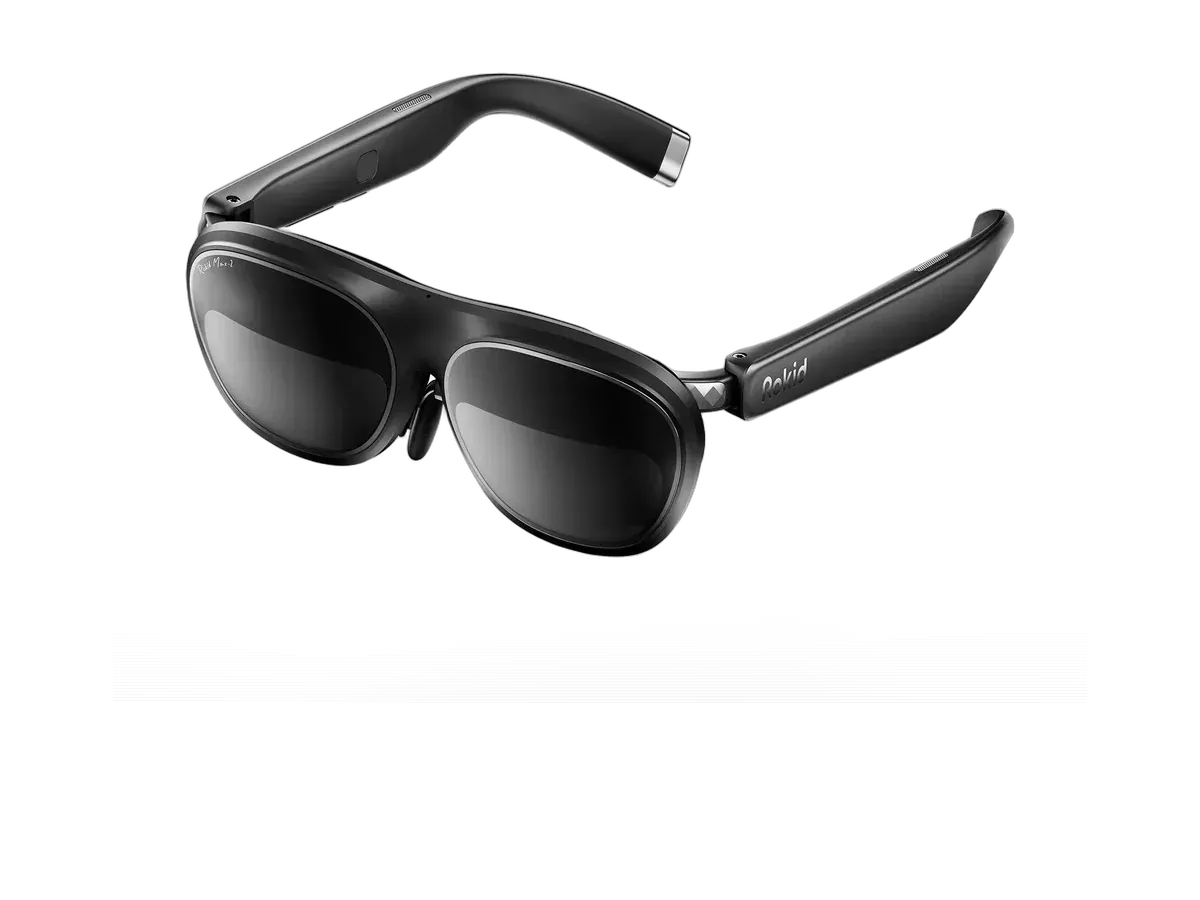
Rokid
Evidence confidence: 6 of 6 scoring inputs documented
Why it ranks here:
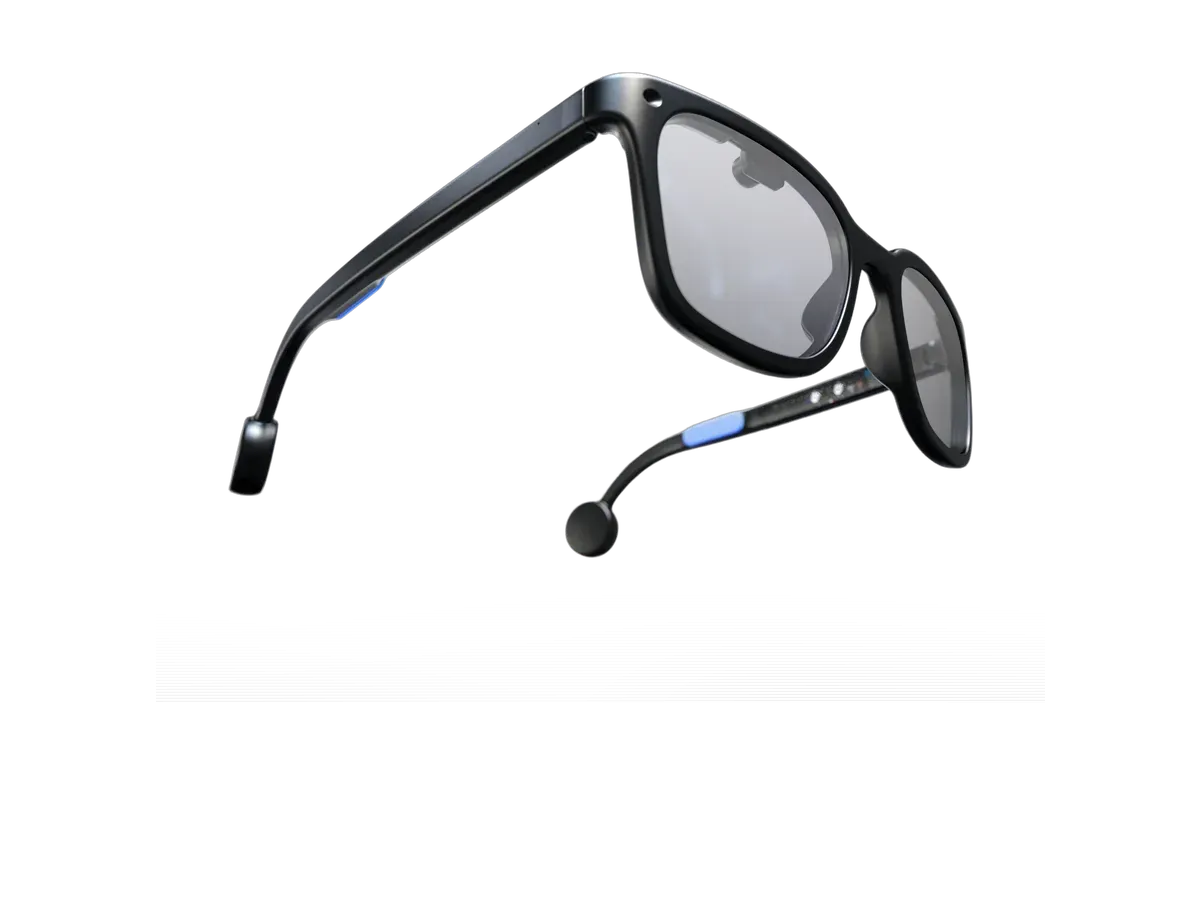
Brilliant Labs
Evidence confidence: 4 of 6 scoring inputs documented
Why it ranks here:
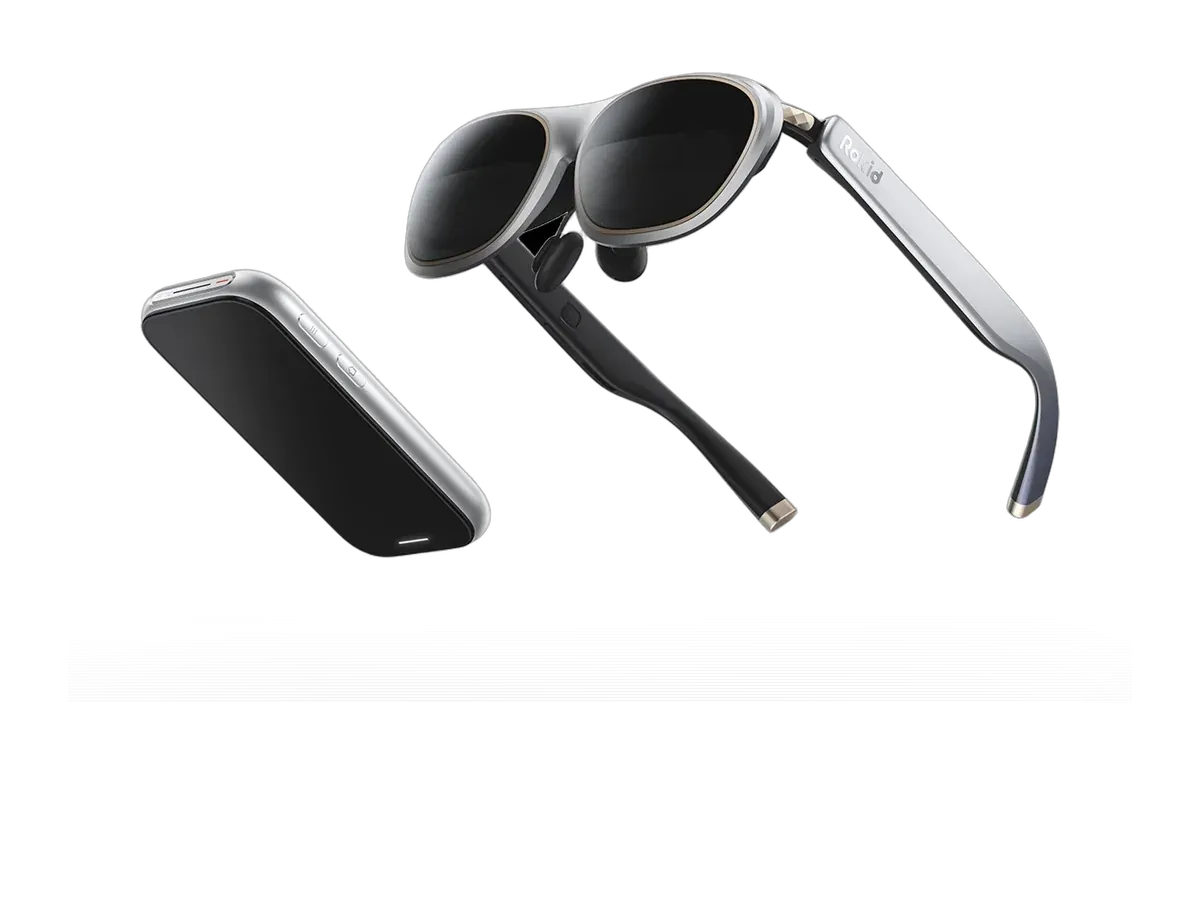
Rokid
Evidence confidence: 6 of 6 scoring inputs documented
Why it ranks here:
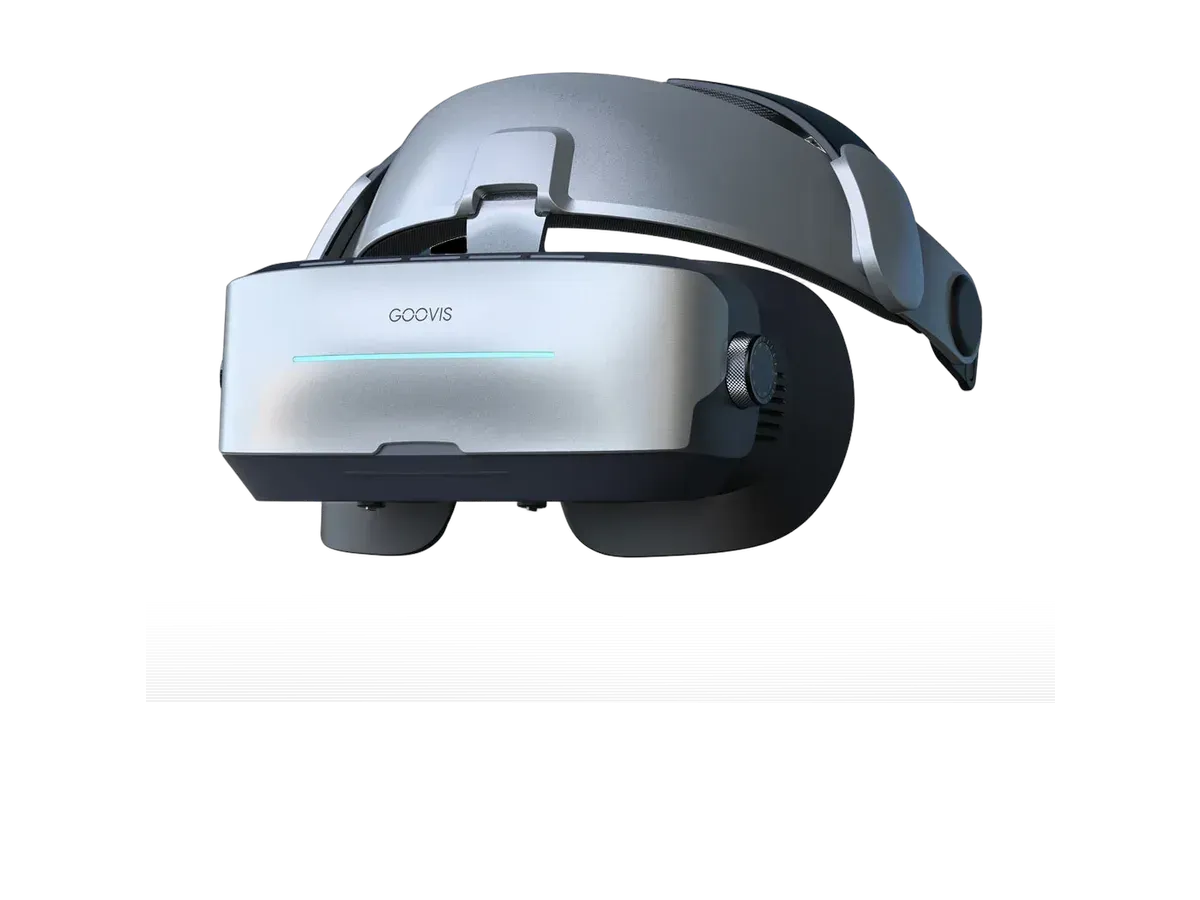
Goovis
Evidence confidence: 6 of 6 scoring inputs documented
Why it ranks here:
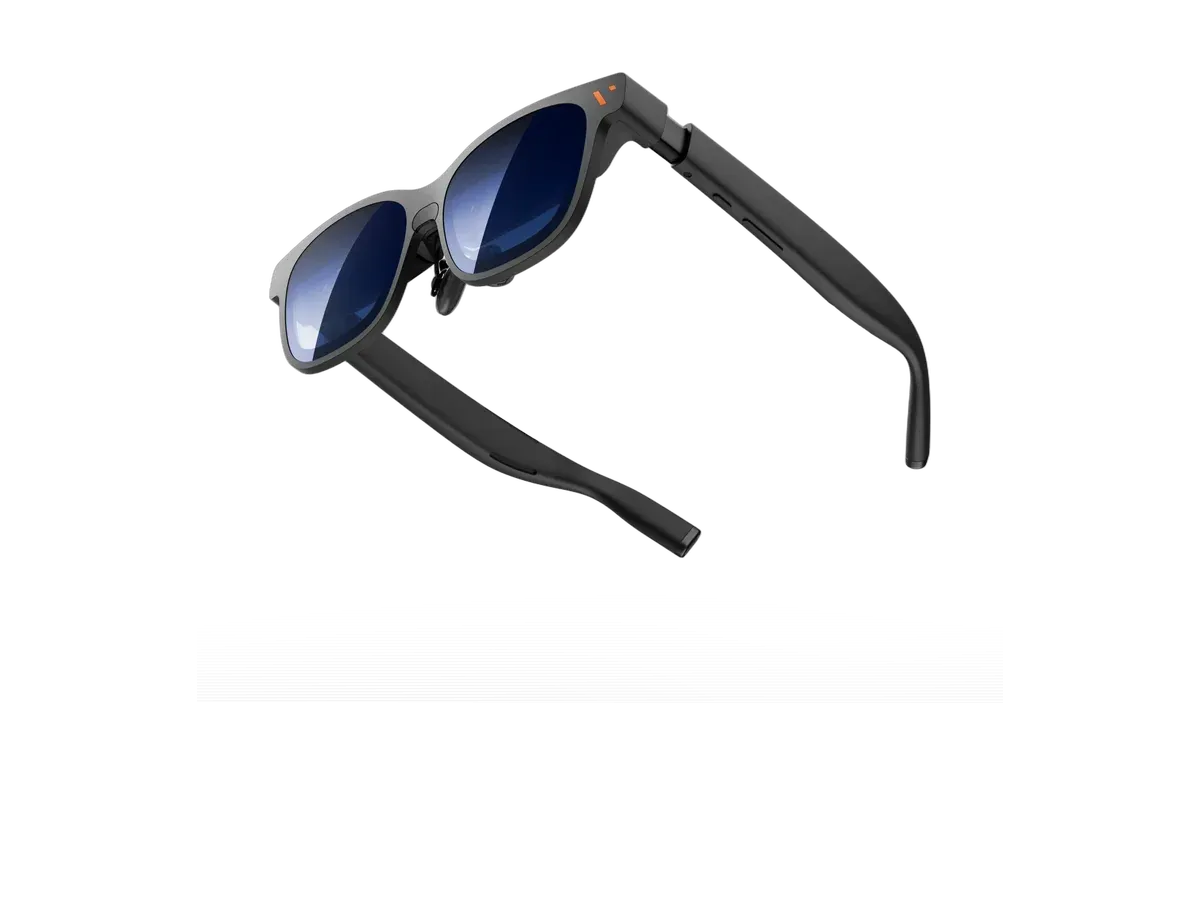
VITURE
Evidence confidence: 6 of 6 scoring inputs documented
Why it ranks here:
Buy the Rokid Max 2 if…
Buy the Rokid Max 2 if you want to spend $100 less ($299 vs $399).
Buy the VITURE Luma XR if…
Buy the VITURE Luma XR if you need the brighter 1000-nit display (vs 600 nits), you want spatial audio, and you want adjustable lens dimming.
They are display glasses with a small adjustment dial above each lens that corrects nearsightedness on the spot, inside the range the maker publishes — the Rokid Max 2 page, for example, publishes 0.00D to -6.00D of myopia correction. There is nothing to order and nothing to clip in: you turn the dial until the picture is sharp, and a shared pair can be re-dialed for a different wearer in seconds.
No. The dials adjust sphere power only, and none of the maker pages behind this ranking documents cylinder correction on a dial. If your prescription includes astigmatism, you need a model whose maker documents an insert or lens-frame route ground with your full sphere, cylinder, and axis values — the prescription guide linked below maps which smart glasses offer those routes.
The published range is the hard limit for the dial itself, but several makers document an add-on path past it. Rokid's own guidance says users beyond its dial range can use the Prescription Mount to add lenses, and VITURE sells a clip-on prescription lens frame for stronger or astigmatic prescriptions. Check the maker's published range against your numbers first, then price the add-on route before choosing a dial model over an insert model.
Anyone whose prescription a dial cannot express: astigmatism of any strength, farsightedness beyond the few dials that reach plus power, and nearsightedness deeper than the published range. In those cases a model with a documented insert, lens-frame, or made-in-frame prescription route fits better, even though it costs a lens order and a wait. The dial's real buyers are nearsighted wearers inside the range — and households sharing one pair.
Rankings that share the most top picks with this one.
Provenance: use case derived from the built-in-diopter feature split (maker-published dial ranges across the catalog). Rankings are computed from recorded product specs only.