RayNeo Air 2s vs RayNeo Air 4 Pro
Side-by-side comparison of specs, features, and pricing
Specs updated
The RayNeo Air 2s compared here is the original — the RayNeo Air 3s has succeeded it.
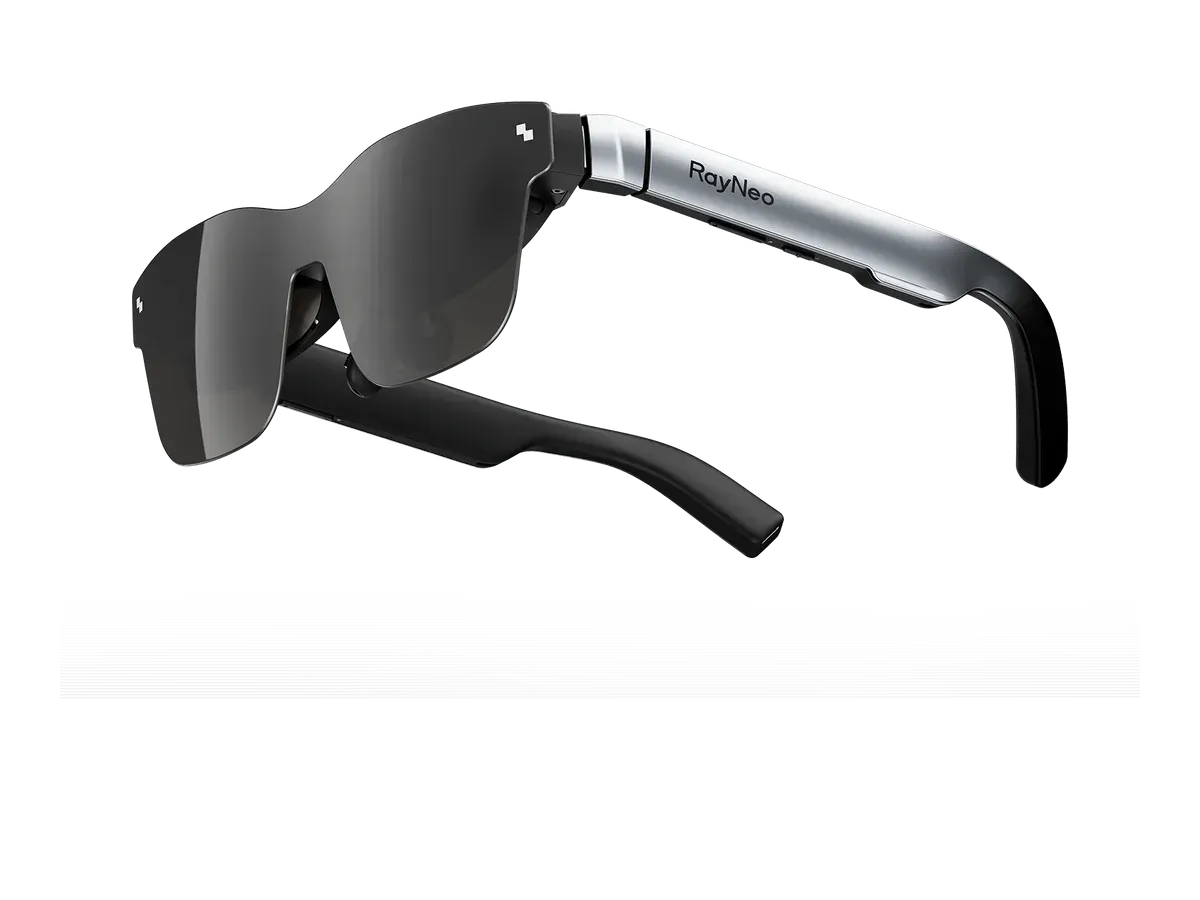
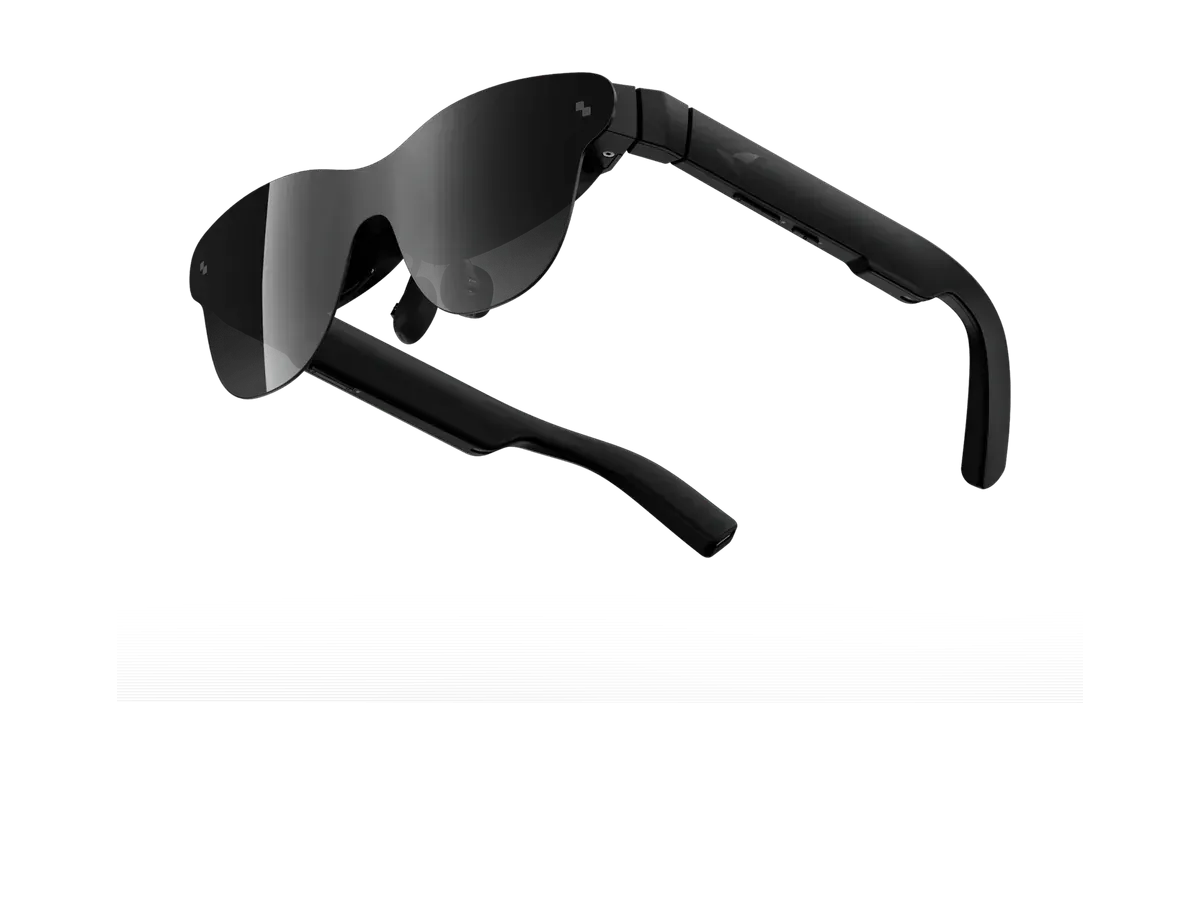
Where the RayNeo Air 2s wins
- Price: $140 cheaper (159 vs 299)
Where the RayNeo Air 4 Pro wins
- Weight: 2g lighter (76 vs 78)
- Field of View: 1 degree wider FOV (47 vs 46)
- Brightness: 600 nits brighter (1200 vs 600)
- HDR Support: Supports HDR (Yes vs No)
- Spatial Audio: Has spatial audio (Yes vs No)
See the full rankings
Specs Comparison
Specs last verified
RayNeo Air 2s $159 vs RayNeo Air 4 Pro $299
| Specification |  RayNeo Air 2s $159 |  RayNeo Air 4 Pro $299 |
|---|---|---|
| Price | ||
| Price | $159 | $299 |
| Display | ||
| Display type | Sony Micro-OLED (0.55-inch) | Micro-OLED with HDR10 (first AR glasses with HDR10 display), Vision 4000 co-processor |
| Resolution | 1920x1080 | 1920x1080 |
| Pixels per degree | — | 41 |
| Field of view (°) | 46 | 47 |
| Refresh rate (Hz) | 120 | 120 |
| Brightness (nits) | 600 | 1200 |
| Virtual screen size (in) | 201 | 201 |
| HDR support | — | ✓ Yes |
| Color support | Full color | Full color |
| Optics | ||
| Optics type | — | birdbath |
| Dimming control | — | ✕ No |
| Transparency level | — | 3840Hz PWM hybrid dimming, 10-level brightness |
| Prescription support | ✓ Yes | ✓ Yes |
| Diopter range | Prescription inserts via Lensology (RayNeo's named partner); no range published for the Air 2s | Prescription lens insert frame (sample in box); lenses via Lensology |
| Physical | ||
| Weight (g) | 78 | 76 |
| Frame style | wraparound | wraparound |
| Color options | — | Black |
| Foldable | — | ✓ Yes |
| Battery & power | ||
| Charging method | USB-C (powered by connected device) | USB-C (powered by connected device) |
| Connectivity | ||
| Connectivity | USB-C (DP Alt Mode) | USB-C |
| Tethered | ✓ Yes | ✓ Yes |
| Compatible devices | Android, iOS, PC, Mac, iPad, Steam Deck, ROG Ally, Nintendo Switch, PlayStation 5 | Android, iOS, PC, Mac, Steam Deck, Nintendo Switch 2, PlayStation 5, ROG Ally |
| Computing | ||
| Processing type | tethered | tethered |
| Operating system | None (plug-and-play external display) | None (plug-and-play external display) |
| Chipset | None (tethered display glasses) | Vision 4000 image chip (co-developed with Pixelworks) for AI SDR-to-HDR upscaling and 2D-to-3D conversion |
| Sensors & input | ||
| Camera | ✕ No | ✕ No |
| Microphones | — | 2 |
| Speakers | directional | directional · spatial audio |
Buy the RayNeo Air 2s
Buy the RayNeo Air 4 Pro
Keep shopping
Jump straight to full specs and where to buy either model, or keep exploring related picks.