Dream Glass Flow vs Rokid Station 2 Spatial Computing Host
Side-by-side comparison of specs, features, and pricing
Specs updated
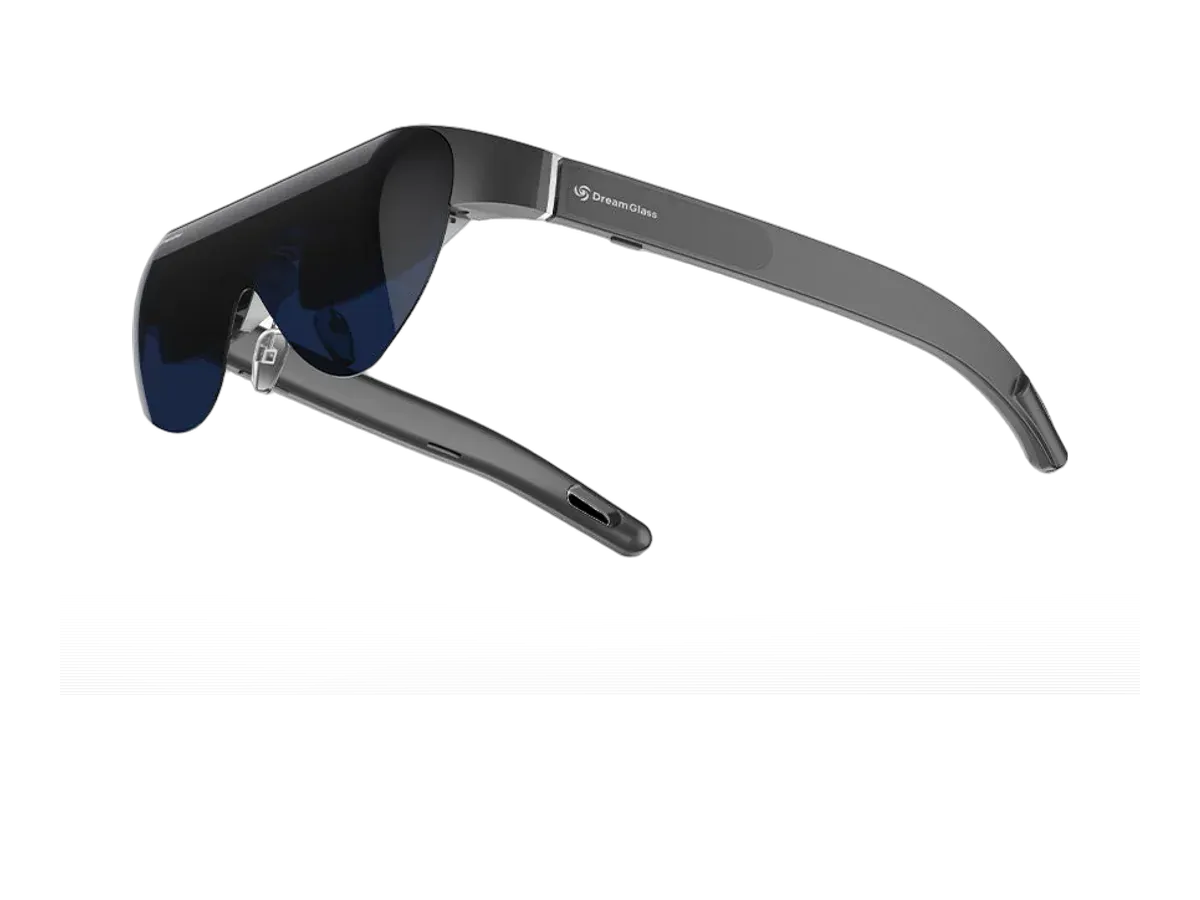
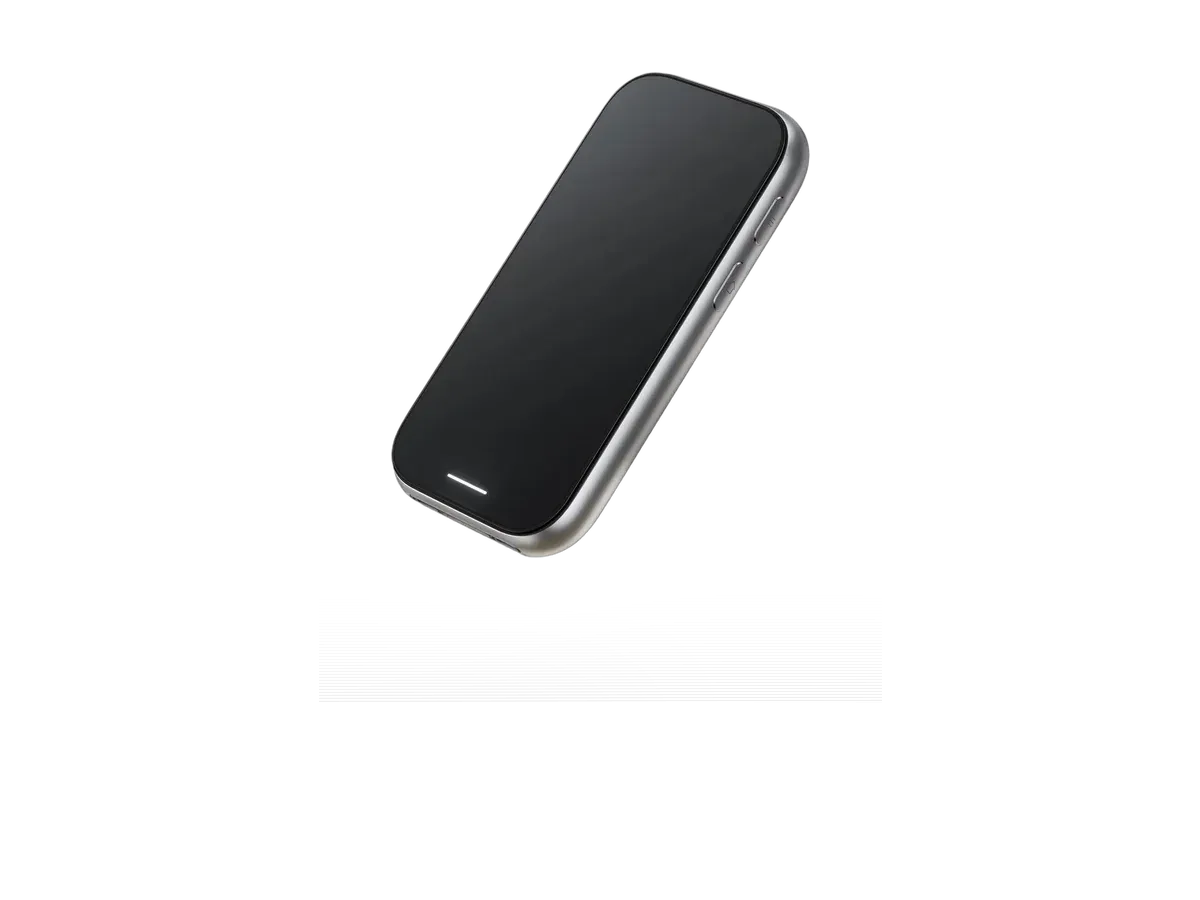
Which should you buy?
Bottom line: the Rokid Station 2 Spatial Computing Host is the better buy for most people at $150 less, unless you need the lighter fit.
We may earn a commission on purchases made through links on this page.
Buy the Dream Glass Flow if…
- You want the lighter 59g fit (vs 181g)
- You wear prescription lenses
- You want adjustable lens dimming
Buy the Rokid Station 2 Spatial Computing Host if…
- You want to spend $150 less ($239 vs $389)
Verdict generated from the recorded spec differences shown in the table below — when a spec is missing for either product, it is left out rather than guessed.
See the full rankings
Specs Comparison
Specs last verified
| Specification |  Dream Glass Flow $389 Dream Glass Flow $389 |  Rokid Station 2 Spatial Computing Host $239 Rokid Station 2 Spatial Computing Host $239 |
|---|---|---|
| Price | ||
| Price | $389 | $239 |
| Display | ||
| Display type | AR display | None (host device; capacitive touch panel for control) |
| Resolution | 1920x1080 | — |
| Refresh rate (Hz) | 60 | — |
| Brightness (nits) | 500 | — |
| Color support | Full color | Full color |
| Optics | ||
| Dimming control | ✓ Yes | — |
| Prescription support | ✓ Yes | — |
| Diopter range | Built-in 0 to -5.00D per-eye adjustment; magnetic Rx frame accessory (discontinued; maker site offline) | — |
| Physical | ||
| Weight (g) | 59 | 181 |
| Frame style | glasses | — |
| Foldable | ✕ No | ✕ No |
| Battery & power | ||
| Battery life (hours) | — | 5 |
| Connectivity | ||
| Connectivity | HDMI, Wi-Fi 6 | USB-C |
| Compatible devices | — | Rokid Max 2, Rokid Max |
| Computing | ||
| Operating system | — | YodaOS-Master with spatial browser |
| Chipset | Gaming processor | 8GB RAM, 128GB storage |
| Sensors & input | ||
| Camera | ✕ No | ✕ No |
| Speakers | open-ear | open-ear |
Dream Glass Flow availability
Buy the Rokid Station 2 Spatial Computing Host
Keep shopping
Jump straight to full specs and where to buy either model, or keep exploring related picks.
More ways to decide
Dream Glass Flow vs Rokid Station 2 Spatial Computing Host: FAQs
Which is newer: the Dream Glass Flow or the Rokid Station 2 Spatial Computing Host?
The Rokid Station 2 Spatial Computing Host is newer, released January 2025, versus September 2022 for the Dream Glass Flow.
Which is cheaper: the Dream Glass Flow or the Rokid Station 2 Spatial Computing Host?
The Dream Glass Flow costs $389 and the Rokid Station 2 Spatial Computing Host costs $239, making the Rokid Station 2 Spatial Computing Host $150 cheaper.
Which is lighter: the Dream Glass Flow or the Rokid Station 2 Spatial Computing Host?
The Dream Glass Flow is lighter at 59g. The Dream Glass Flow weighs 59g and the Rokid Station 2 Spatial Computing Host weighs 181g.
What is the main difference between the Dream Glass Flow and the Rokid Station 2 Spatial Computing Host?
Based on recorded specs, the Dream Glass Flow leads on weight (122g lighter) while the Rokid Station 2 Spatial Computing Host leads on price ($150 cheaper).