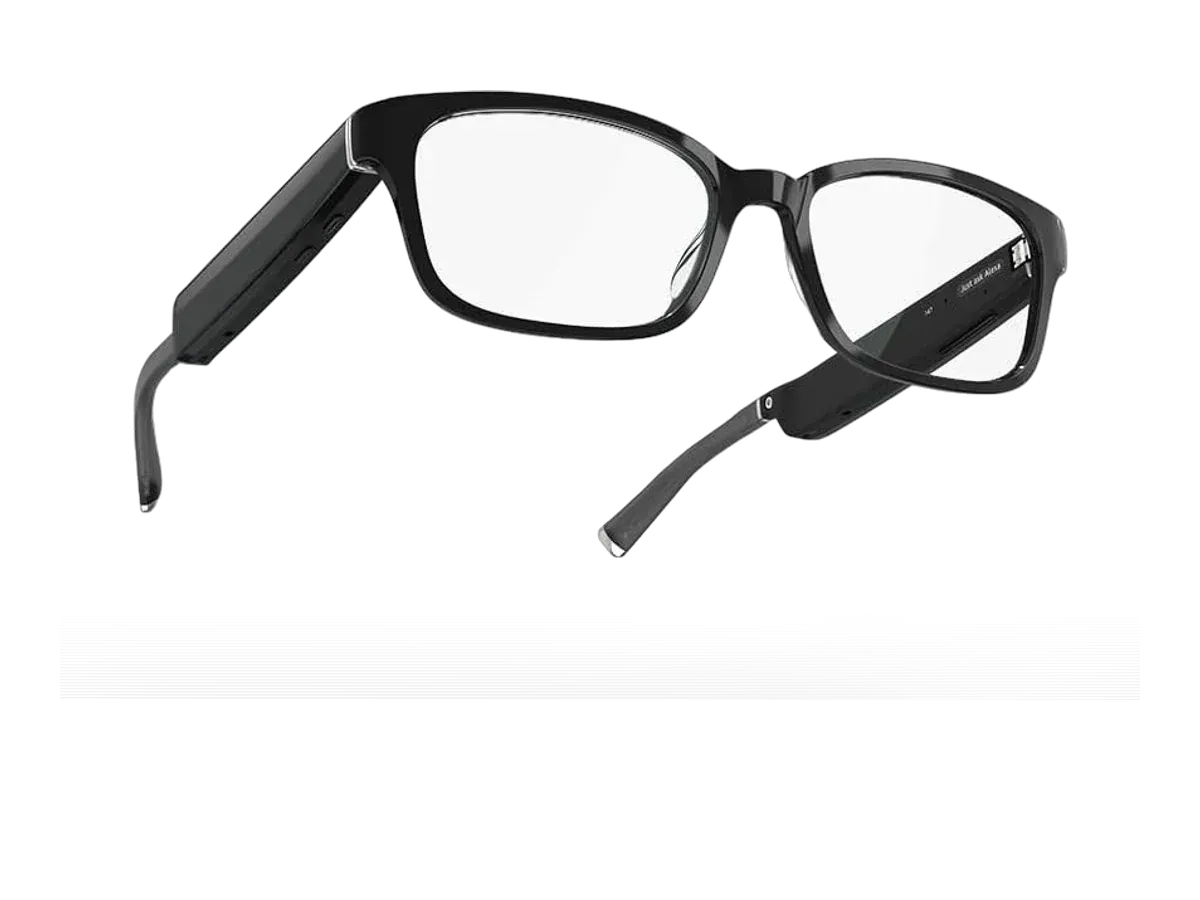
Bluetooth glasses — audio glasses, speaker glasses, music glasses, whatever your search called them on the way here — are the branch of the smart-glasses family that asks the least of you. There is no screen to look at and nothing floating in your vision — just a pair of speakers hidden in the temples, aimed down your cheekbones at your ears, so that music, podcasts, calls, and a voice assistant arrive over Bluetooth from your phone while your ears stay completely open to the room. If you have ever wanted headphones you never have to take off, that do not make you the person who cannot hear the barista, this is that product. The ranking below scores every pair you can actually buy on the recorded specs that decide whether Bluetooth glasses earn a place on your face all day: speaker design, microphones, battery, weight, and a real prescription path. If what you actually want is a screen in your glasses — a private monitor for movies and work — that is the other branch of the family, and you should start with the display glasses ranking instead. And one disambiguation up front, because search mixes the two: these are not hearing aids. A separate class of “hearing glasses” builds medical hearing assistance into eyewear; nothing on this page is a medical device, and we do not rank that class.
What counts as Bluetooth glasses?
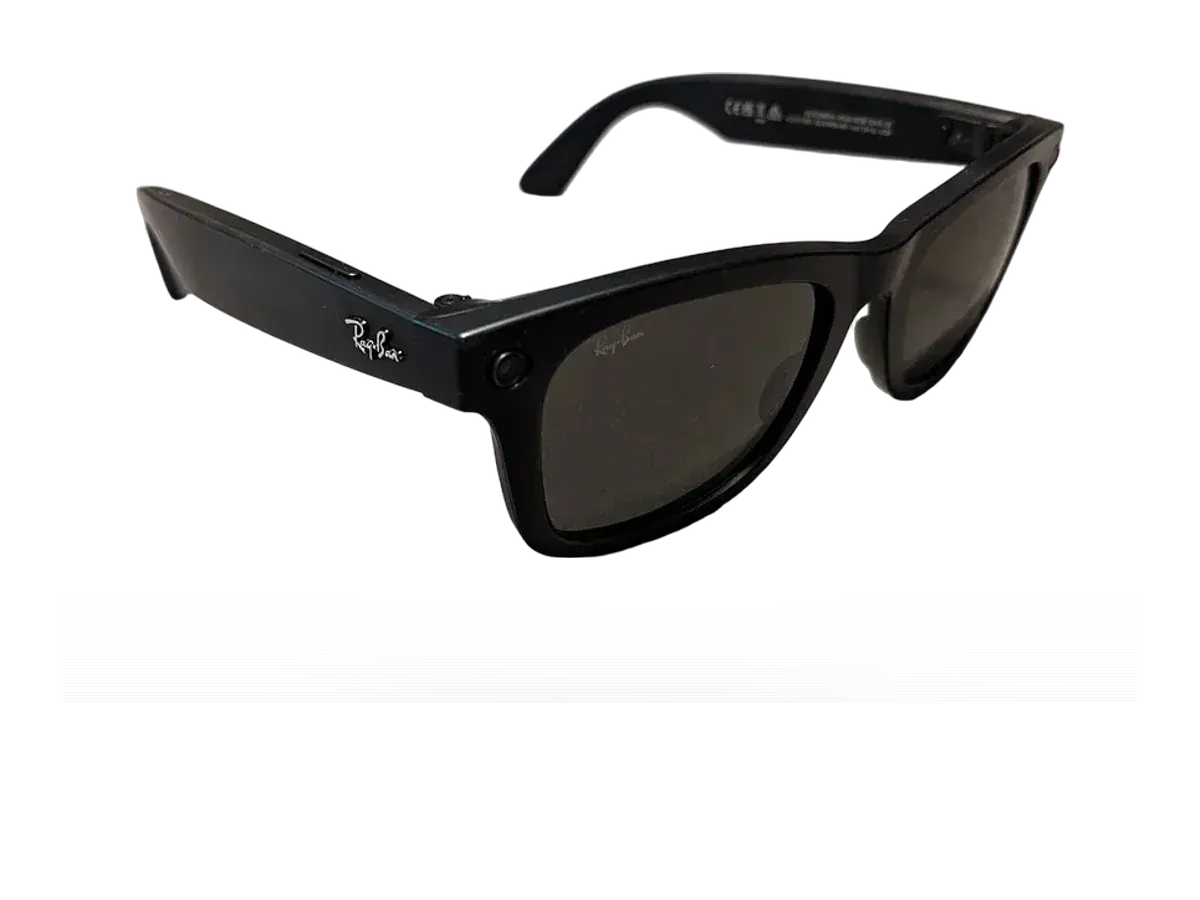
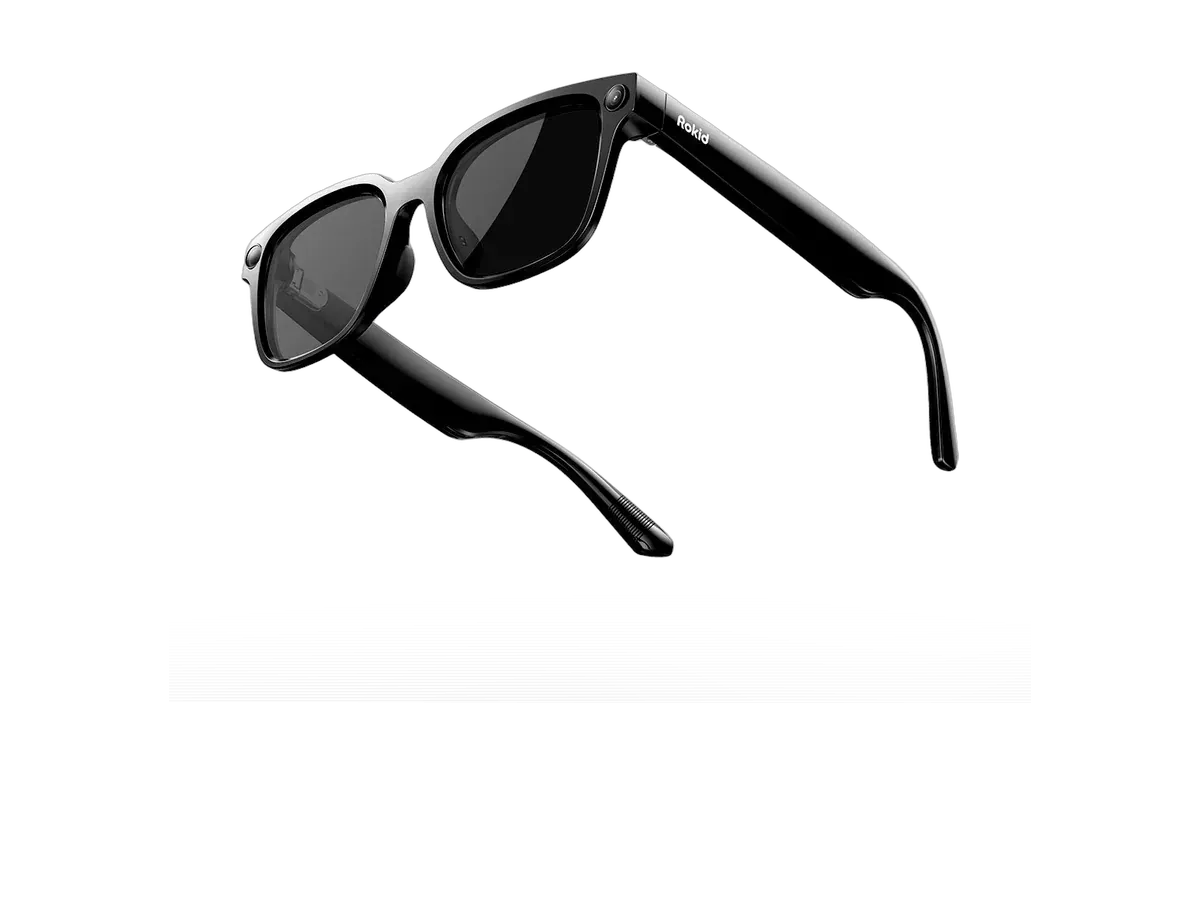
The line we draw is a spec, not a vibe: a recorded speaker system and no built-in display of any kind. Frames with a screen are a different product with different trade-offs — they are ranked on the display glasses page, and that includes the glanceable-readout frames whose small display never records a field of view — and companion pucks or host devices that happen to have speakers are not glasses at all. Every model here also clears two further gates before it scores a single point: it must be a shipping product you can order today, and it must have a recorded price. Announced products and discontinued ones do not rank, however fondly the internet remembers them. One inclusion is worth being explicit about, because it confuses this category’s search results endlessly: several of the best-selling audio glasses on the market also carry a camera. We treat the camera as a bonus feature, not a disqualifier. If the speakers and microphones are real and there is no display, it is a pair of audio glasses that happens to take photos — and the open-ear audio on the big camera-equipped frames is, by the recorded spec sheet, among the best in the class. Buyers who want capture first and audio second should read the camera glasses guide instead; the gates and every score on this page recompute from the product database on each build, so the list never quietly disagrees with a spec sheet.
Open-ear speakers or bone conduction?
Every model in the current ranking uses open-ear speakers: tiny drivers in the temple arms that beam sound down toward your ear canal through the air. Done well, this produces genuinely pleasant sound — real mids and highs, enough bass to enjoy music, no pressure in or on your ears, and no isolation from the world. You will also meet bone conduction while you shop: a transducer resting against the bone in front of your ear, vibrating sound directly into your inner ear. It keeps the ear canal even freer and can be the right call for people who cannot tolerate anything near their ears, but by the numbers it usually trades away audio quality, especially for music — and in our database today the bone-conduction frames carry displays, which puts them in the other branch of the family. The recorded speaker type for every model is in its spec record, and the honest summary is: open-ear is the class standard for a reason, and neither technology competes with sealed earbuds on bass. Physics is physics — a speaker that leaves your ear open cannot also pressurize it.
Can people around you hear your music?
This is the question everyone asks on the train, and the truthful answer is: a little, at high volume. Open-ear speakers are directional — they aim a narrow beam at your ear, and some designs add a form of leakage cancellation that plays an out-of-phase signal outward to blunt what escapes. At normal listening volume in a normal room, leakage is generally minor; at maximum volume in a silent room, yes, your neighbor can tell you are listening to something — and how much varies by model, so treat a silent office as earbud territory. The practical rule: audio glasses are built for the volume you would use with your ears open anyway, because their whole point is that you are still part of the room. If your use case is drowning out a jet engine, you want earbuds; if it is hearing your music and your kids at the same time, this category was built for you.
Microphones decide whether they replace your earbuds
The spec that most cleanly separates serious audio glasses from novelty frames is the microphone array. Recorded mic counts in this class run from a single microphone to five, and the difference is not academic: one mic picks up your voice and everything else in the room, while a multi-mic array can beamform — compare what each microphone hears and subtract the world, so the person on the other end of the call gets your voice and not the traffic. The same array quality decides how reliably a voice assistant hears you on a windy street, which matters more every year as assistants become the main reason these frames exist beyond music. If calls or an assistant are any part of your plan, treat the recorded microphone count as a first-class spec, not a footnote; the AI assistant glasses ranking weighs exactly that dimension across the wider catalog if the assistant is your priority.
Battery, weight, and the all-day test
Audio glasses live or die by a simple test: are they still on your face, still working, at the end of the day? Two recorded numbers predict the answer. Battery in this class typically runs from a few hours of continuous playback to a full working day of mixed use — no display means no screen to feed, which is why audio frames outlast display glasses handily — but continuous music is the hungriest thing you can ask of them, so match the recorded figure to your actual listening hours, and check whether the charging case (where one exists) is something you will actually carry. Weight is the quieter spec: ordinary acetate glasses weigh a few tens of grams, and every gram of electronics past that is something your nose and ears discover by mid-afternoon. The ranking rewards lighter frames and longer recorded batteries because this category has exactly one job — to be worn constantly — and both specs serve it directly. If weight is your gating concern generally, the lightest smart glasses list ranks the whole database on that single axis.
Sunglasses, clear lenses, and prescriptions
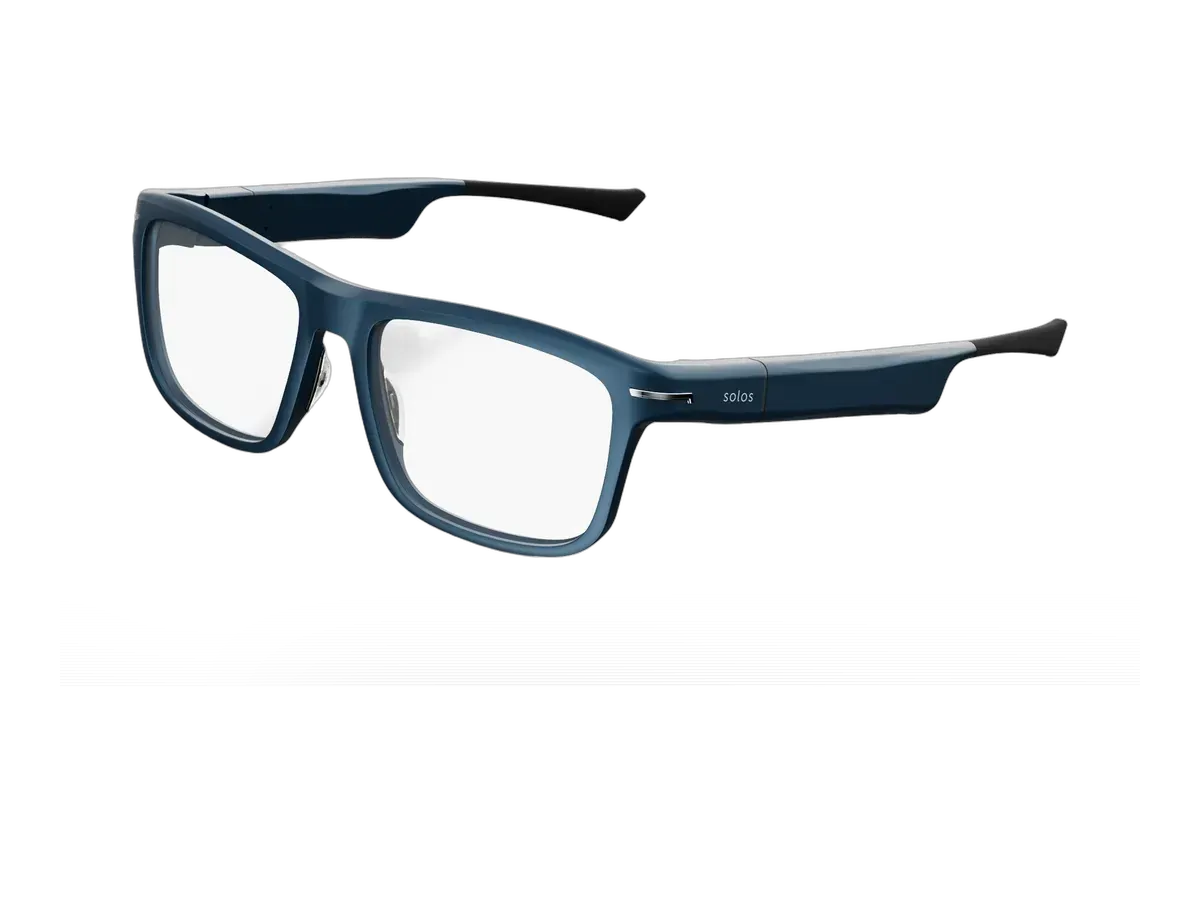
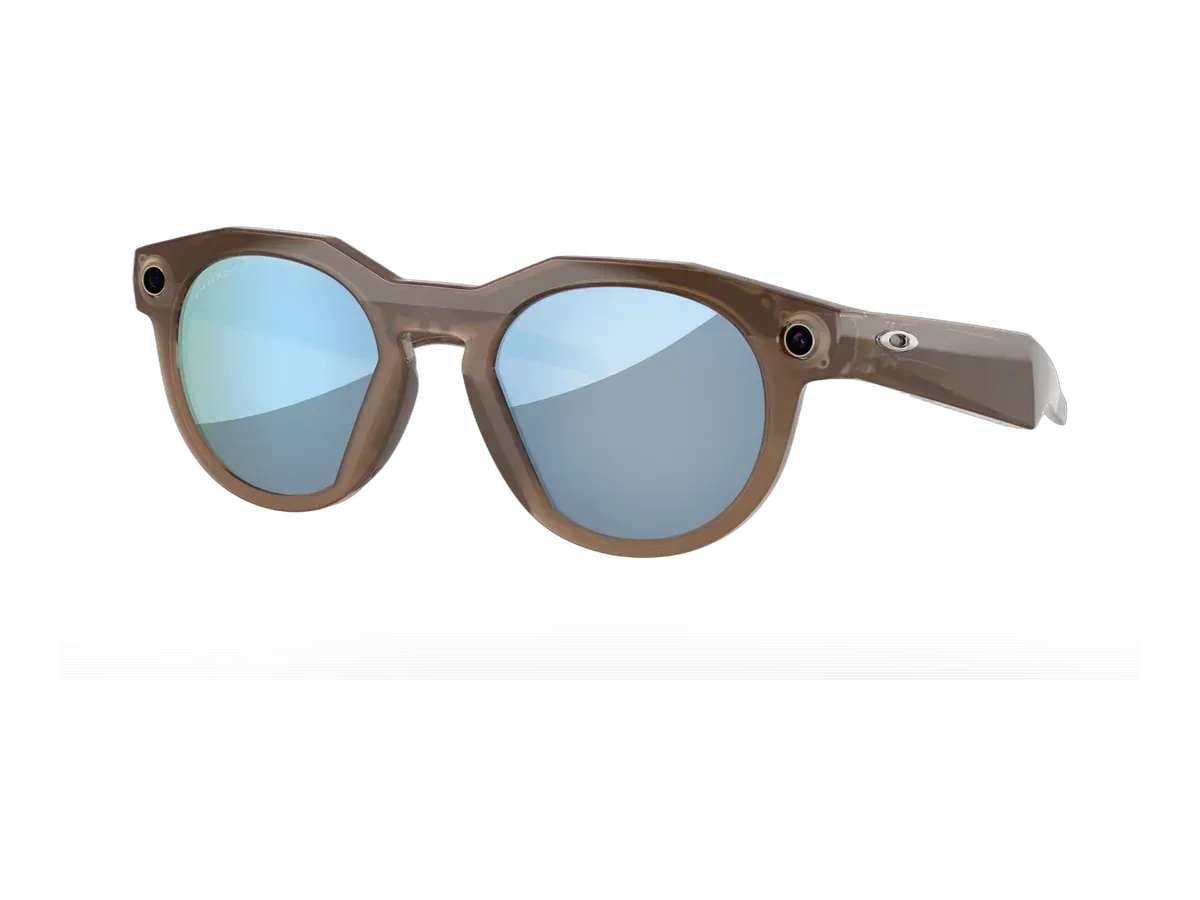
A surprising amount of this category ships as sunglasses, and that is not an accident — the first mass-market audio glasses were sunglasses, and outdoor listening while cycling, running, or driving remains one of the class’s best use cases, since it is precisely where blocking your ears would be dangerous. But frames you can only wear outdoors fail the all-day test indoors, so the class has broadened: many models now offer clear or swappable lenses, a few offer electronically dimming lenses that go from indoor-clear to sunglass-dark on demand, and most record a prescription path — either fitted prescription lenses or made-to-order inserts. If you wear a prescription, check that recorded path before anything else; glasses you cannot see through are speakers with extra steps. The prescription smart glasses hub covers that decision in depth across every product we track.
The Bose question
No honest page about this category can skip its history: the brand that effectively invented modern audio sunglasses built a devoted audience, shipped several generations — and then walked away, discontinuing the line and leaving those buyers with aging batteries and no successor. A discontinued product you cannot buy has no place in a ranking of products you can, so those frames do not appear below, however good their sound was. Their absence is the single most common reason people land on this page, so we wrote a dedicated guide to the replacement decision — what the discontinued line did well, which recorded specs to match, and how the current field compares: the Bose Frames replacement guide. The short version is genuinely good news. The category the pioneer abandoned did not die; it got more competition, better microphones, longer batteries, and in several cases lower prices.
What about the thirty-dollar pairs?
Search for Bluetooth glasses anywhere and you will drown in interchangeable no-name frames at impulse-buy prices. We do not rank them, and the reason is the standard this whole site runs on: every product in the database carries a verifiable spec record — recorded speaker design, microphone count, battery figure, weight, water resistance — and the disposable tier publishes none of that reliably, when it publishes it at all. A pair that costs a tenth of the price and does a tenth of the job is not a bargain in a product you wear on your face every day; it is usually a mono speaker taped to a temple arm with a battery measured in months of life expectancy. Where a budget product earns a real spec record, it enters the database and competes in the ranking like everything else — the full catalog is the honest boundary of what we can vouch for, and that boundary is a feature, not a gap.
How to choose, in order
Buy in this order and the category becomes simple. First, settle the camera question: some of the best audio frames carry one, and it changes both the price and the social contract of wearing them — decide before you fall in love with a spec sheet. Second, check the prescription or lens path against your actual eyes; this is the step that turns a gadget into your glasses. Third, match the recorded battery to your real day — commute music is a different demand than eight hours of calls. Fourth, if calls or an assistant matter, weigh the microphone array as heavily as the speakers. Fifth, look at weight last, but do look; it is the spec you feel longest. And when you are torn between two models, compare them side by side — every number on this page comes from the same database, so the comparison is the same truth in a different layout.
Where this category is going
Audio glasses have quietly become the on-ramp for the entire smart-glasses market. The recipe is stable — speakers, microphones, a battery, ordinary-looking frames — and because there is no display to miniaturize, this is the branch where the technology already disappears into something you would wear anyway. The next act is intelligence rather than hardware: the microphone arrays that made calls work are exactly what voice assistants need, and each generation ships with more of its value in software. The practical read for a buyer in 2026: this is the most mature, least compromised category in the database. The trade-offs are small, the field is real, and the recomputed ranking below reflects it every time a spec record changes.