#1
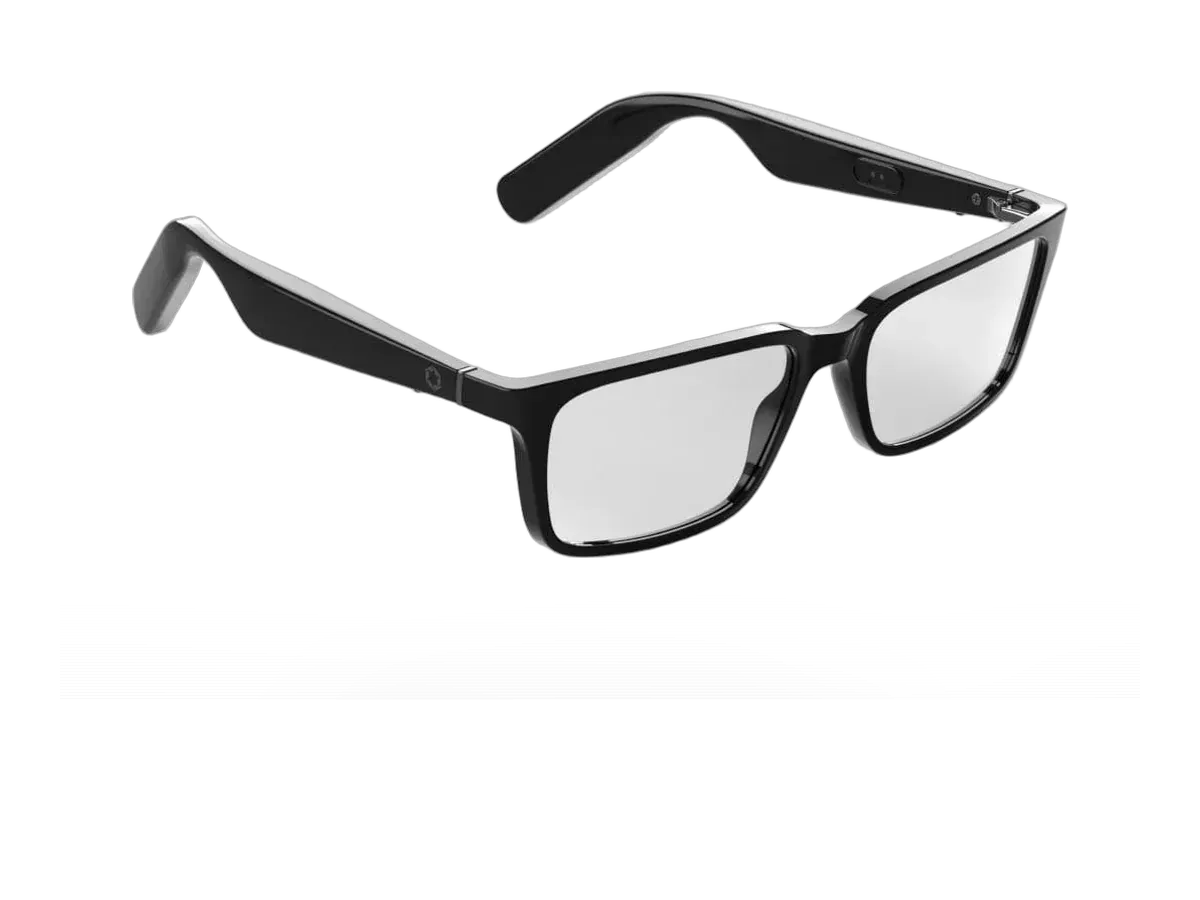
Lucyd
Evidence confidence: 6 of 10 scoring inputs documented
Why it ranks here:
- $149 price (+25)
- 44g weight (+10)
- 12-hour battery life (+10)
- prescription lens support recorded (+4)
- built-in speakers (+3)
Best of
Every pick is $200 or less. Ranked by what each dollar buys.
Product data last updated
Two hundred dollars is the entry point to AR and smart glasses, and it buys more than you might expect. Every product ranked here is available now at $200 or less, scored on price-performance so the picks that stretch each dollar furthest rise to the top. Prices are read from our catalog, never typed in, so the ranking never drifts.
Our top pick for AR Glasses Under $200 is the Lucyd Lyte (2025) at $149.
| # | Pick | Price | Best for |
|---|---|---|---|
| 1 | Lucyd Lyte (2025) | $149 | Top pick overall |
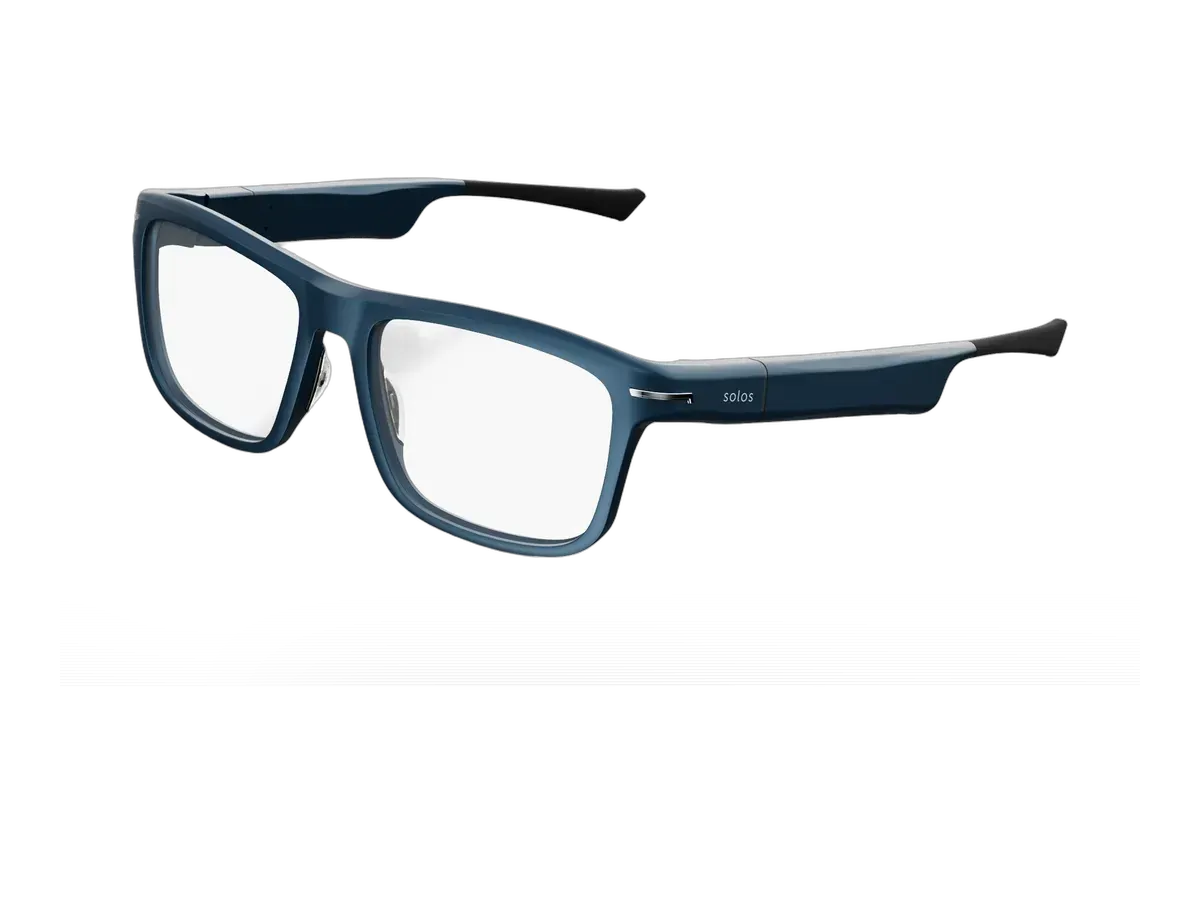
| 2 | Solos AirGo 3 | $199 | Lightest frame here |
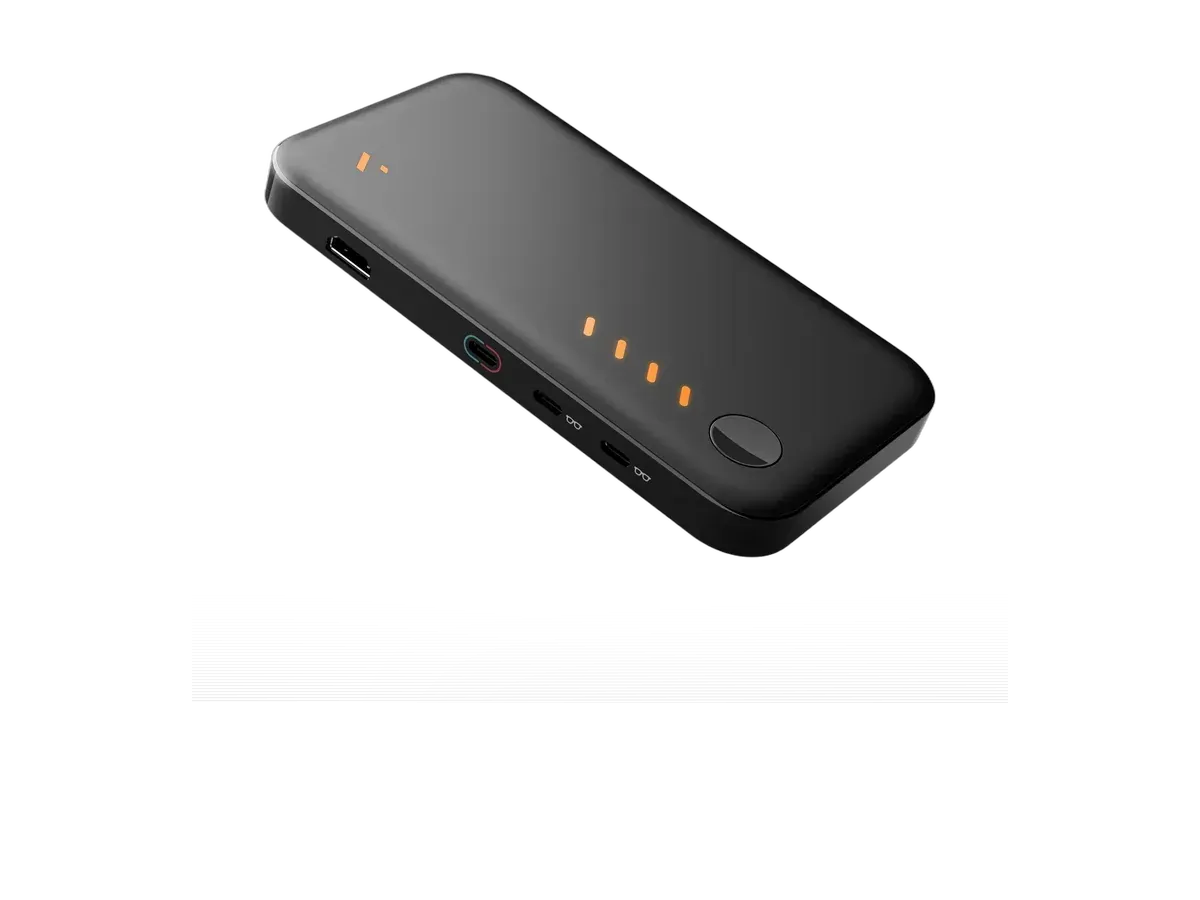
| 3 | VITURE Pro Mobile Dock | $99 | Lowest price here |
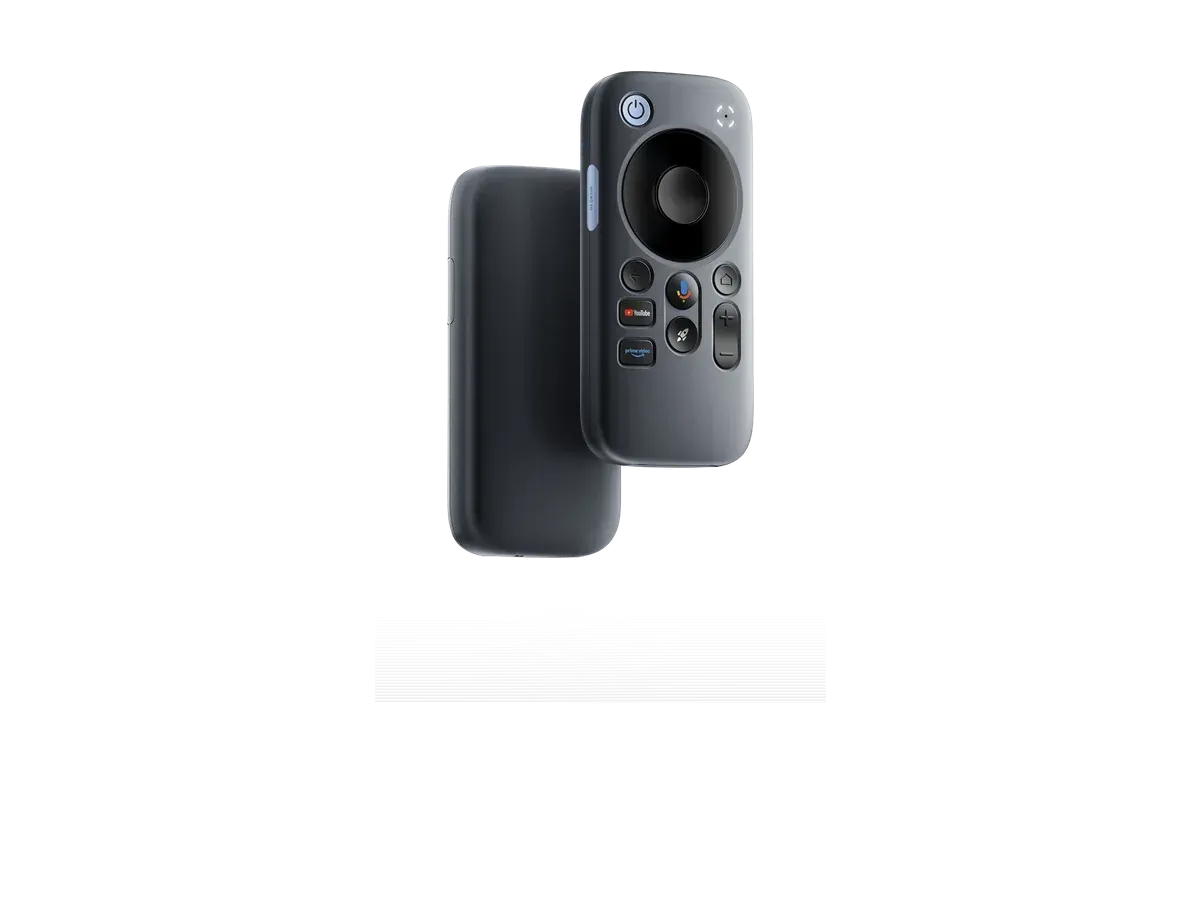
| 4 | RayNeo Pocket TV | $129 | — |
| 5 | XREAL Beam Pro | $199 | — |
Ranked by Price · Field of view · Pixel density · Brightness · Weight · Battery life · Refresh rate · Prescription support · Built-in audio · Camera. Prices verified .
Every pick is scored on the same criteria — a spec the maker doesn’t publish scores zero, and the Best for column marks where a pick leads this list.
Two hundred dollars is the entry point to AR and smart glasses, and the field here splits cleanly in two. On one side are entry-level tethered display glasses that plug into a phone or laptop for a private big screen; on the other are lightweight AI and audio frames worn like normal glasses, with a voice assistant and open-ear sound but no screen. At this price you generally get one or the other done well, rarely both — so decide which matters before comparing, and let the score breakdown on each pick show you where the money went.
This is the tightest rung of a price-point ladder, not a category page. It ranks every available pair at or below $200 on price-performance. If you are hunting the cheapest AR glasses overall, that question belongs one rung up: the cheapest AR glasses right now ladder runs cheapest-first across the whole value category and re-sorts itself from recorded prices. If your budget stretches, the AR glasses under $300 rung opens up current-generation display glasses and the more serious AI frames. And for the field regardless of price, see the best AR glasses of 2026 guide or our best smart glasses picks.
One caution matters most at the entry price: beware no-name display glasses cheaper than the picks here. They typically ship low-resolution panels and brightness too low for a usable image, which is why this ranking holds a spec floor even at $200. Display glasses also draw power and video from the device you plug into, so confirm your phone or laptop supports USB-C DisplayPort Alt Mode first. Every price below is read from the catalog, so the cheapest-first ladder never drifts, and each pick links straight to its buy options.
Every eligible product is scored on the recorded specs below. Missing data scores zero — we never guess a value. Points shown next to each pick add up to its total score.
Lucyd
Evidence confidence: 6 of 10 scoring inputs documented
Why it ranks here:
Solos
Evidence confidence: 6 of 10 scoring inputs documented
Why it ranks here:
VITURE
Evidence confidence: 5 of 10 scoring inputs documented
Why it ranks here:
RayNeo
Evidence confidence: 4 of 10 scoring inputs documented
Why it ranks here:
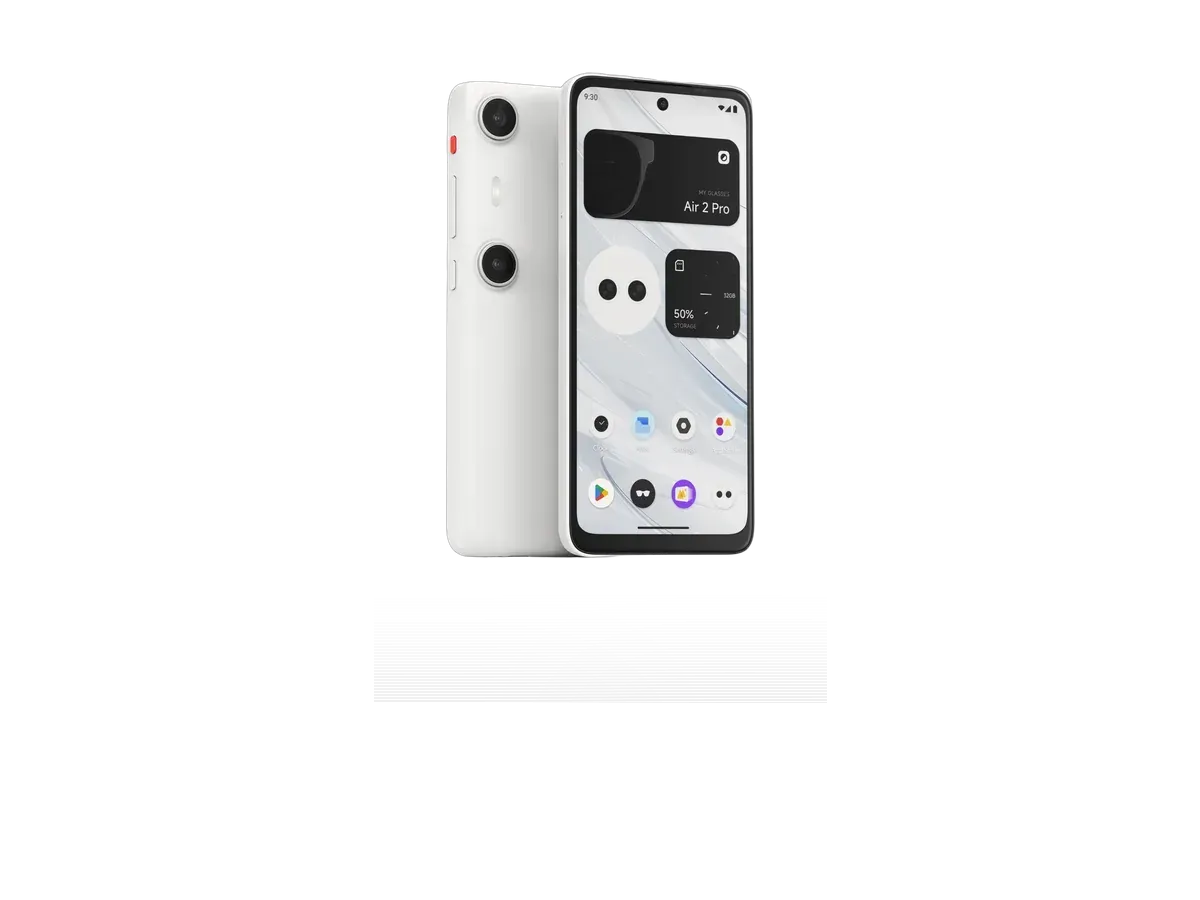
XREAL
Evidence confidence: 5 of 10 scoring inputs documented
Why it ranks here:
5 budget picks, sorted cheapest first — from $99 to $199. Every row shows the recorded display type, refresh rate, and brightness next to its verified price, so you can see what each dollar buys before you click through. Where our catalog records no value, the row shows a dash rather than a guess.
Prices verified
No display—— verified
Check price at AmazonNo display—— verified
Check price at AmazonNo display—— verified
Check price at AmazonNo display—— verified
Check price at AmazonNo display—— verified
Check price at AmazonBuy the Lucyd Lyte (2025) if…
Buy the Lucyd Lyte (2025) if you want to spend $50 less ($149 vs $199) and you need longer battery life (12 hours vs 10).
Buy the Solos AirGo 3 if…
Buy the Solos AirGo 3 if you want the lighter 35g fit (vs 44g) and you want adjustable lens dimming.
Under $200 the field splits into entry-level tethered display glasses, which plug into a phone or laptop for a private screen, and lightweight AI or audio glasses worn like normal frames. This page ranks every available pair at or below $200 on price-performance and links each to its buy options, so you can see what the entry point to AR really gets you.
Yes, with clear trade-offs. At this price you get either a usable big-screen picture or a capable assistant and audio, rarely both, and display models tend to run older panels with narrower fields of view than pricier pairs. The scoring rewards the picks that stretch the budget furthest, and the breakdown on each shows exactly where the money went.
AI and audio glasses and older tethered display glasses sit at the bottom of the market. Beware no-name display glasses below the picks here: they typically ship low-resolution panels and brightness too low for a usable image, which is why this ranking holds a spec floor even at the entry price.
Provenance: use case derived from the under-$200 price-point buying question; scope is purchase-priced AR and smart glasses at or below $200. Rankings are computed from recorded product specs only.