Skip to content

Best of

Best smart glasses for motorcycle riding

The honest no-HUD answer first, then the open-ear audio frames that actually work under a helmet.

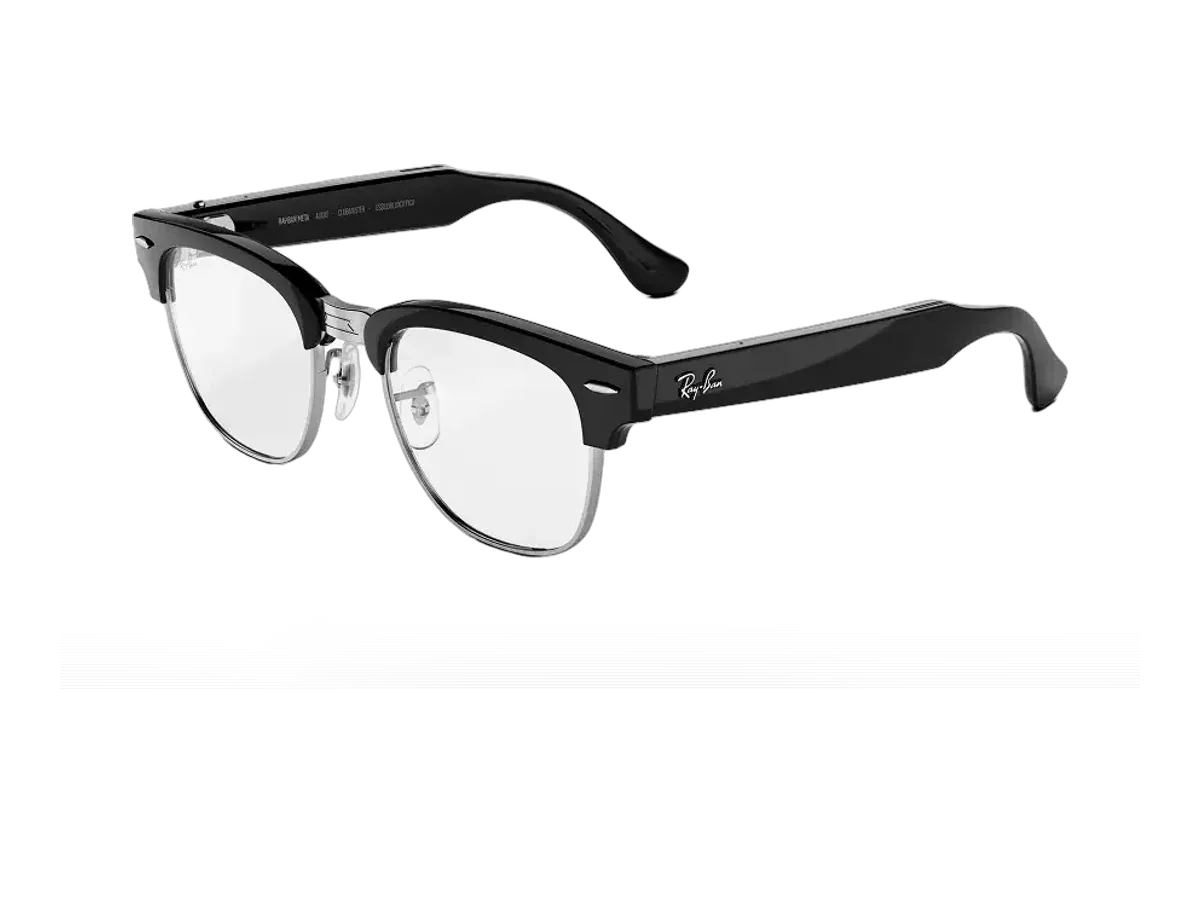
Our top pick for riding is the Ray-Ban Meta Audio at $349.

Ray-Ban Meta Audio

Our top pick

Ray-Ban Meta Audio · $349

Buy at Meta Store See full ranking ↓

Product data last updated

The direct answer: no consumer motorcycle heads-up display glasses ship today, and nothing in this catalog records one — the sport HUD pairs that do exist are built for running and cycling, not rated for riding, and the best-known rider-adjacent HUD project was discontinued by its maker. What you can buy, and what this page ranks, is the gear that genuinely works under a helmet: slim open-ear audio frames that carry navigation prompts, calls and music while your ears stay open to the road. Scoring rewards the recorded facts that decide helmet fit and ride use — light weight, battery, speakers, call support and voice control.

# Pick Price Best for
1 Ray-Ban Meta Audio $349 Top pick overall
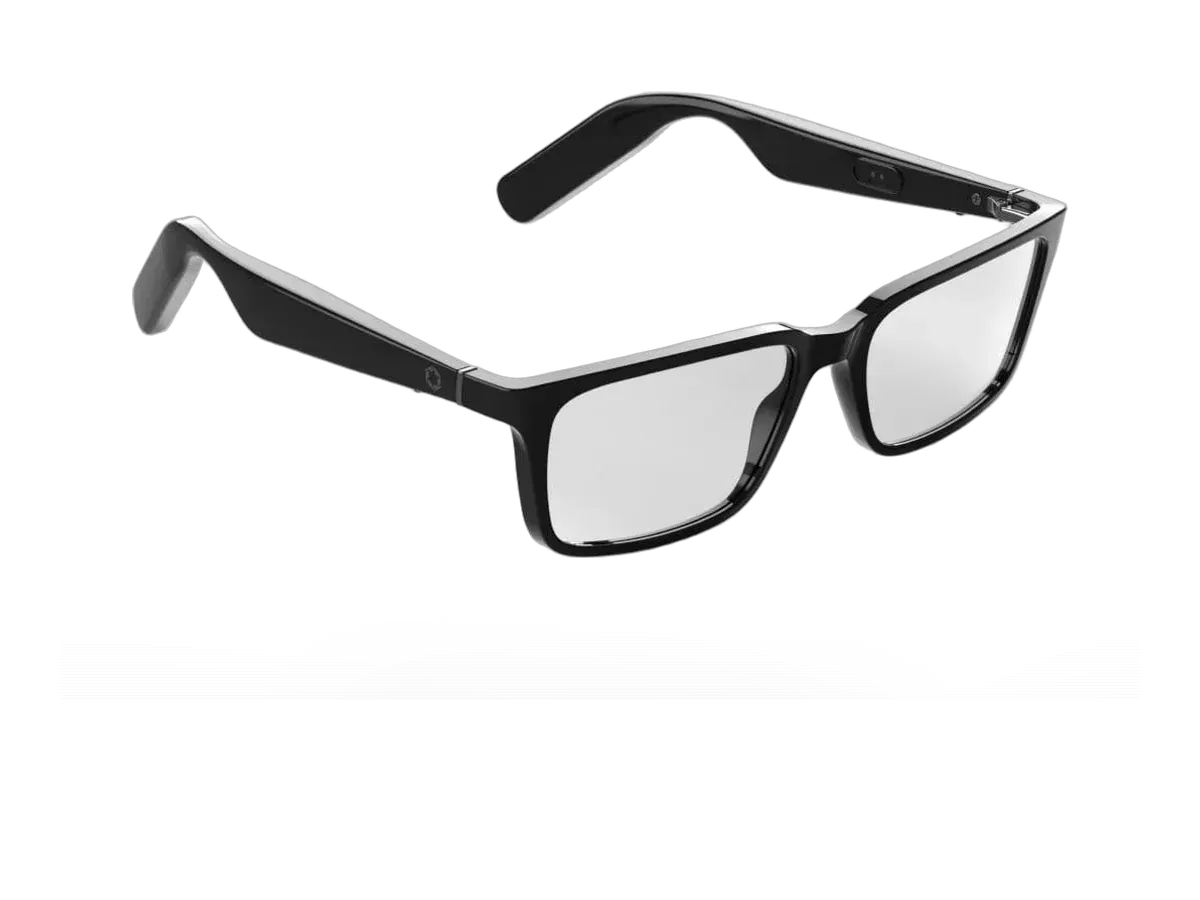
2 Lucyd Lyte (2025) $149 Lowest price here
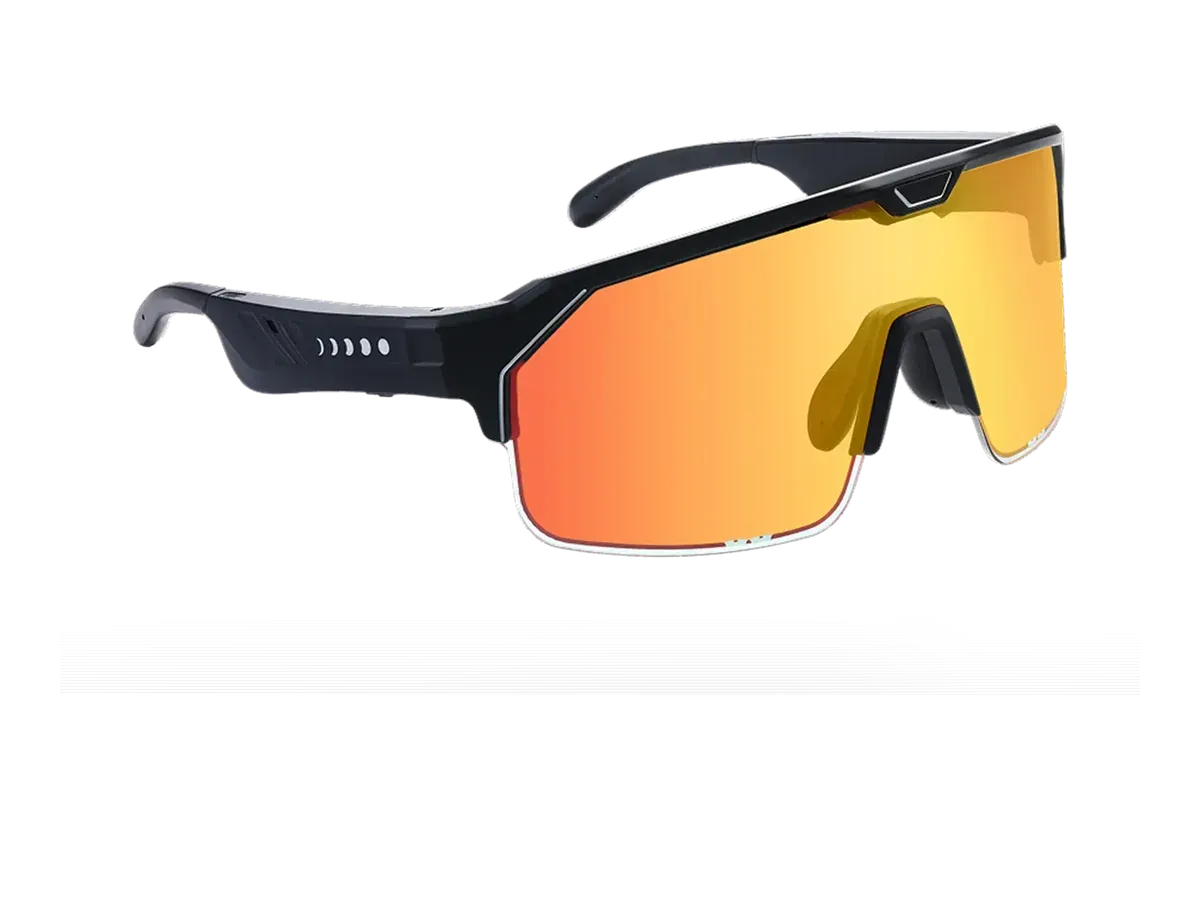
3 Chamelo Music Shield $179 —

Ranked by Weight · Battery life · Built-in audio · Calls use case · Music use case · Splash rating · Voice control. Prices verified at Lucyd and Chamelo, except Ray-Ban Meta Audio (last verified at Meta Store).

Every pick is scored on the same criteria — a spec the maker doesn’t publish scores zero, and the Best for column marks where a pick leads this list. How we rank and check prices

The thing riders actually search for — speed, navigation and calls floating in your lens, rated for a motorcycle — does not exist as a product you can buy in 2026. This page says that plainly, then ranks what honestly works instead.

Why the no-HUD answer is the real answer

The nearest the market came was Everysight, whose Raptor put live ride data in a rider-style wraparound; its history tells the rest — the Raptor is discontinued, and the company’s current Maverick is a developer edition rather than a consumer riding product. The sport heads-up pairs that do ship today are built for runners and cyclists: bare-headed sports where the frame meets your face directly, with no helmet shell, no visor, and no 70-mile-per-hour wind load in their design brief. Nothing in this catalog records a motorcycle-rated heads-up display, and this page will not dress a running HUD up as one. Helmet-integrated display systems exist as a separate product class — built into or clipped onto the lid itself — and belong to a helmet buying decision, not a glasses one.

What actually works under a lid

Open-ear audio frames are the honest purchase: slim temples that slide under a helmet’s cheek pads, speakers that fire toward your ears while leaving them open to sirens, horns and your own engine, and microphones tuned for voice. The Ray-Ban Meta Audio tops the ranking on recorded math — 43 grams, a 12-hour recorded battery, an IPX4 splash rating and voice control, in a deliberately lens-first frame with no capture hardware to explain at a meetup. The Lucyd Lyte is the eyewear-first alternative: Lucyd’s own page describes open-ear directional speakers and “dual noise-reducing mics” that activate only for calls and voice assistants, in ordinary-looking prescription-friendly frames. The Chamelo Music Shield is the wraparound of the three — a 49-gram sport shield whose electrochromic lenses change tint in a tenth of a second, genuinely useful when a ride runs from afternoon glare into dusk, with the shortest recorded battery of the group at 6.5 hours.

The honest limits at speed

Open-ear audio and wind are enemies. At town speeds the prompts and podcasts are clear; as speed rises, wind noise across an unsealed ear wins, and no frame in this class records a fix for it. Riders who need reliable audio at highway pace end up with in-helmet systems — again a helmet purchase, not a glasses one. The other limit is fit: 43-to-49-gram frames with flat temples are the right shape, but cheek-pad pressure varies by lid, so test with your own helmet before trusting any pair on a long ride.

Where this page hands off

If what you want is simply wireless audio eyewear for life around the bike — walking the paddock, the commute’s last mile — the whole device class is ranked at the Bluetooth glasses page. And if a future maker ships a true motorcycle-rated lens display, this catalog records specs, not press releases: it will rank the day its record and stock exist, and not before.
How we rank: 7 scored criteria

Every eligible product is scored on the recorded specs below. Missing data scores zero — we never guess a value. Points shown next to each pick add up to its total score. Our full method

  • Weightup to 15 pts
  • Battery lifeup to 15 pts
  • Built-in audioup to 12 pts
  • Calls use caseup to 10 pts
  • Music use caseup to 8 pts
  • Splash ratingup to 8 pts
  • Voice controlup to 8 pts

Ray-Ban Meta Audio or Lucyd Lyte (2025)?

Buy the Lucyd Lyte (2025) if…

Buy the Lucyd Lyte (2025) if you want to spend $200 less ($149 vs $349) and you're an iPhone user.

Smart glasses FAQ

Are there motorcycle HUD glasses?

Not as a consumer product you can buy today. The sport heads-up pairs that exist are built and rated for running and cycling, and the best-known rider-adjacent HUD was discontinued by its maker, whose current device is a developer edition. Anything promising speed or navigation floating in your lens for riding is either a helmet-mounted system, which is a different product class, or not shipping.

Do smart glasses fit under a motorcycle helmet?

The slim audio frames ranked here are the ones with a realistic shot: conventional temple arms, recorded weights from 43 to 49 grams, and nothing bulky at the hinge. Fit still varies by helmet — cheek pads and tight EPS around the temples are the usual blockers — so test with your own lid before relying on any pair for a long ride.

What do audio glasses actually do on a ride?

Navigation prompts, calls and music through open-ear speakers that leave your ears free for traffic, sirens and your own engine — at town speeds. Wind noise rises sharply with speed, and open-ear audio has no seal to fight it, so treat highway listening as a limitation of the category rather than a spec any frame solves.

More guides on these picks

Keep researching

Provenance: use case derived from the helmet-constraint question; catalog-fit honesty page over the helmet-compatible audio frames. Rankings are computed from recorded product specs only.