XREAL One Pro Review: The Best Virtual Screen You Can Wear
By AR Compare Team ·
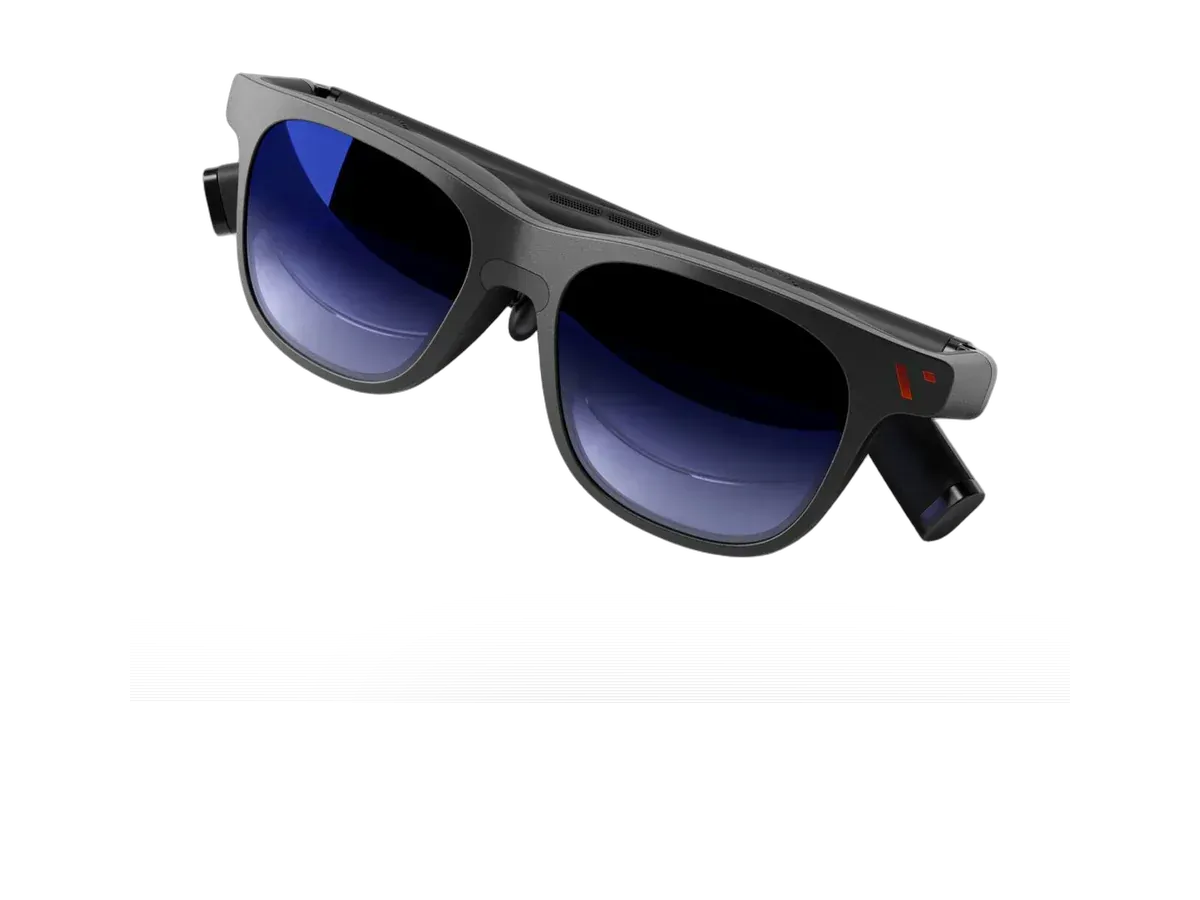
XREAL One Pro: full specs & pricesThe XREAL One Pro represents the current peak of consumer display glasses technology. After two weeks of daily use for gaming, streaming, and desktop productivity, it is clear this device punches well above its weight class — both literally and figuratively. At 82 grams and $599, the One Pro asks buyers to commit to its vision of personal entertainment, and for the right user, it rewards that commitment handsomely.
Display Quality: A Genuine Step Forward
The headline feature is the 57-degree field of view, the widest available in any consumer display glasses today. In practice, this translates to a virtual screen equivalent of approximately 201 inches at a comfortable viewing distance. That sounds like marketing hyperbole until you actually put them on and realize you genuinely cannot see the edges of the display without moving your eyes.
Display Highlights
Panel: Sony Micro-OLED, 1920x1080 per eye
Field of View: 57 degrees (widest in class)
Refresh Rate: 120Hz
Brightness: 600 nits with electrochromic dimming
HDR: Supported
The Sony Micro-OLED panels deliver excellent contrast and color accuracy. Black levels are genuinely black, not the washed-out dark gray you get from LCD-based competitors. Colors are rich without being oversaturated, and the 49 pixels per degree ensure text remains sharp enough for desktop productivity work, though a higher PPD would be welcome for extended document editing.
HDR support is a meaningful addition. Watching HDR content on Netflix or playing HDR-enabled titles on a Steam Deck produces visibly more dynamic range than the standard SDR output. Highlights pop without blowing out, and shadow detail is preserved. At 600 nits, the One Pro does not match the raw brightness of the VITURE Pro XR’s 4000-nit peak, but for the enclosed viewing experience these glasses provide, 600 nits is more than adequate.
The 120Hz refresh rate makes a noticeable difference in gaming. Fast-paced shooters and racing games feel smooth and responsive. The difference between 60Hz and 120Hz is immediately apparent when switching between compatible and incompatible devices.
Comfort and Build: Good, Not Great
At 82 grams, the One Pro is heavier than several competitors. The VITURE Pro XR sits at 78 grams, and some budget options come in under 70 grams. That 4-10 gram difference might sound trivial on paper, but it accumulates over time. During the first hour of use, the One Pro is perfectly comfortable. By the 90-minute mark, there is noticeable pressure on the bridge of the nose. Extended three-hour gaming sessions require periodic breaks.
The build quality itself is solid. The frame feels sturdy without being rigid, and the folding mechanism works smoothly. The electrochromic dimming deserves particular praise. A simple button press cycles through transparency levels, allowing you to use the glasses in a bright office, a dim living room, or a completely dark bedroom without fumbling with clip-on shades.
The nose pads are adjustable, which helps distribute weight, but XREAL could improve the ergonomic balance. The weight sits slightly forward compared to the more evenly distributed designs from VITURE and Rokid.
Real-World Use Cases
Gaming is where the One Pro excels. Connected to a Steam Deck, the experience is transformative. Games that feel cramped on the Deck’s 7-inch screen become genuinely immersive on a virtual 201-inch display. The low latency and 120Hz support mean there is no perceptible lag or judder. Racing games in particular benefit from the wide FOV, which provides better peripheral awareness than any handheld screen.
Streaming is the second strongest use case. Movie nights on planes become private IMAX experiences. The HDR support lifts compatible content, and the directional speakers provide decent audio for casual viewing, though serious viewers will want to pair Bluetooth earbuds for better sound isolation.
Productivity works better than expected but has limits. Connecting to a laptop via USB-C creates a usable virtual desktop. Spreadsheets and web browsing are functional, and the 1080p resolution per eye is sharp enough for sustained reading. However, the 49 PPD means very small text can blur at the edges, and the tethered cable restricts head movement when you need to glance away from the virtual screen.
Ecosystem and Software
This is the One Pro’s weakest area. The XREAL spatial computing chip handles 3DoF head tracking for screen stabilization, and it works reliably. The virtual screen stays anchored in space as you move your head, which prevents the seasickness that plagued earlier display glasses.
But beyond basic screen projection and stabilization, the software experience is thin. There is no app store, no spatial computing platform, and no AR overlay functionality. The One Pro is, fundamentally, a very good external monitor that you wear on your face. For comparison, the Snap Spectacles Gen 5 offers a full spatial computing OS with hand tracking and thousands of AR experiences — though at a subscription price and with trade-offs in display quality.
The compatibility story is more positive. The One Pro works with virtually any USB-C device that supports DisplayPort Alt Mode, including Android phones, iPhones (with adapter), Windows and Mac laptops, Steam Deck, Nintendo Switch, and PlayStation 5. This broad compatibility is a genuine advantage over more ecosystem-locked alternatives.
Value Proposition
At $599, the XREAL One Pro sits at the premium end of the display glasses market. The base XREAL One offers the same core platform at $399 with a slightly narrower 50-degree FOV and no HDR. Budget options like the RayNeo Air 4 Pro deliver excellent value at $299 with HDR10 and B&O audio, though with a narrower field of view.
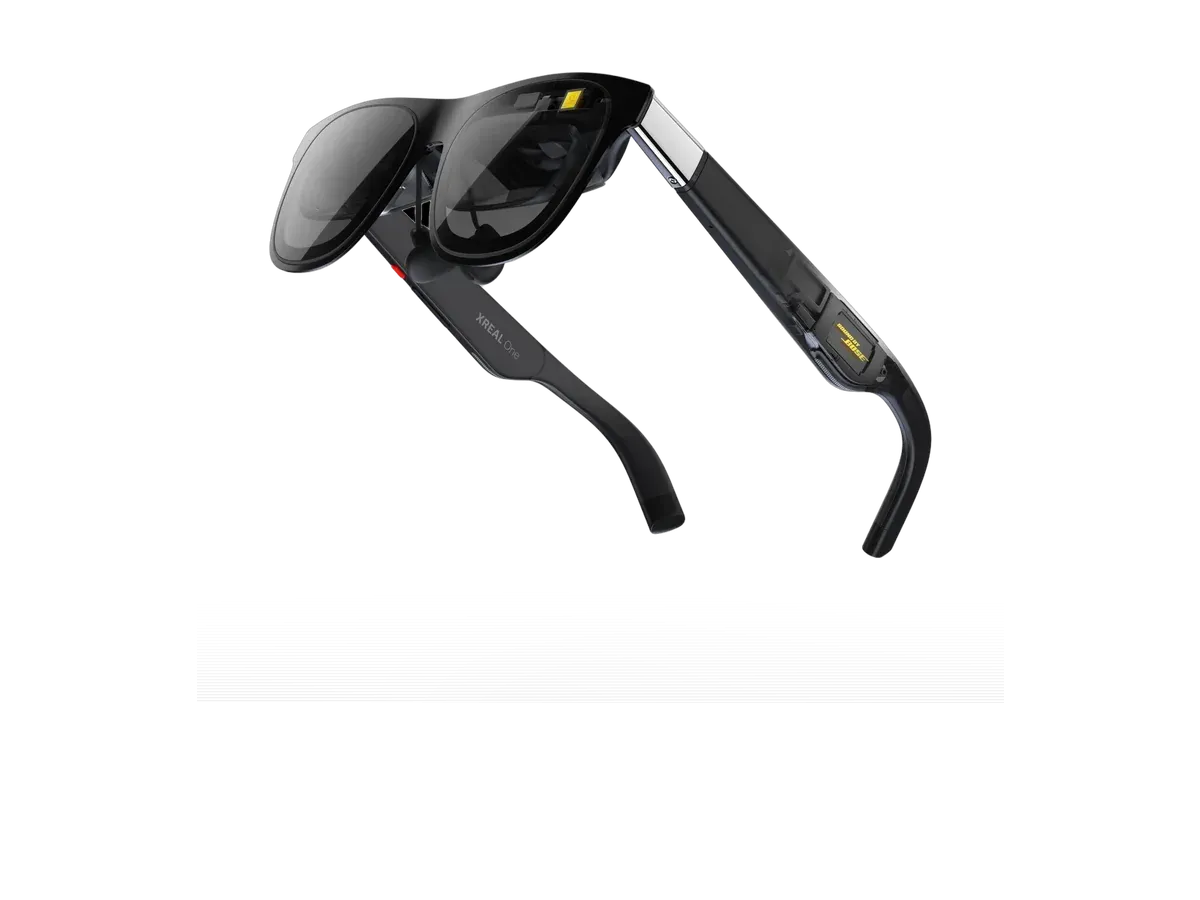
The One Pro justifies its premium through the combination of widest FOV, HDR, and 120Hz. No single competitor matches all three specs simultaneously. If your primary use case is gaming or entertainment and you want the most immersive visual experience available in glasses form factor, the premium is worth paying. If you primarily want a portable second screen for occasional use, the standard XREAL One or a more affordable alternative may be the smarter purchase.
The prescription insert situation is worth noting. The One Pro supports them, but they are an additional purchase. Myopia adjustment is not built into the frames the way VITURE handles it with a built-in diopter dial. If you wear glasses, factor in the extra cost and inconvenience.
Who Should Buy the XREAL One Pro
The ideal buyer is someone who regularly games on portable devices (Steam Deck, Switch, phone) or travels frequently and wants a private cinema experience. Content creators who need a lightweight portable monitor for on-location work will also find value here. The One Pro is less ideal for all-day office productivity or for anyone seeking true AR overlay functionality.
out of 10
Our Verdict
The XREAL One Pro is the best display glasses you can buy today for immersive entertainment and gaming. Its 57-degree field of view, HDR support, and 120Hz refresh rate set a new standard for the category. The tethered design and lack of a built-in battery limit its flexibility, and the premium price demands serious intent from buyers. But for anyone who wants a genuinely cinematic personal screen that fits in a glasses case, the One Pro delivers on its promise.